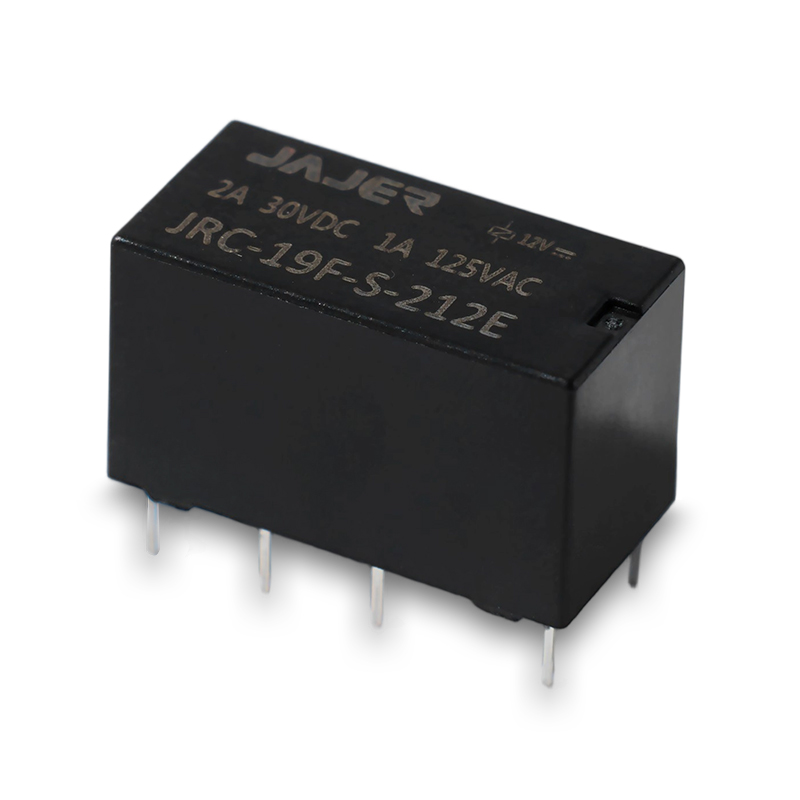
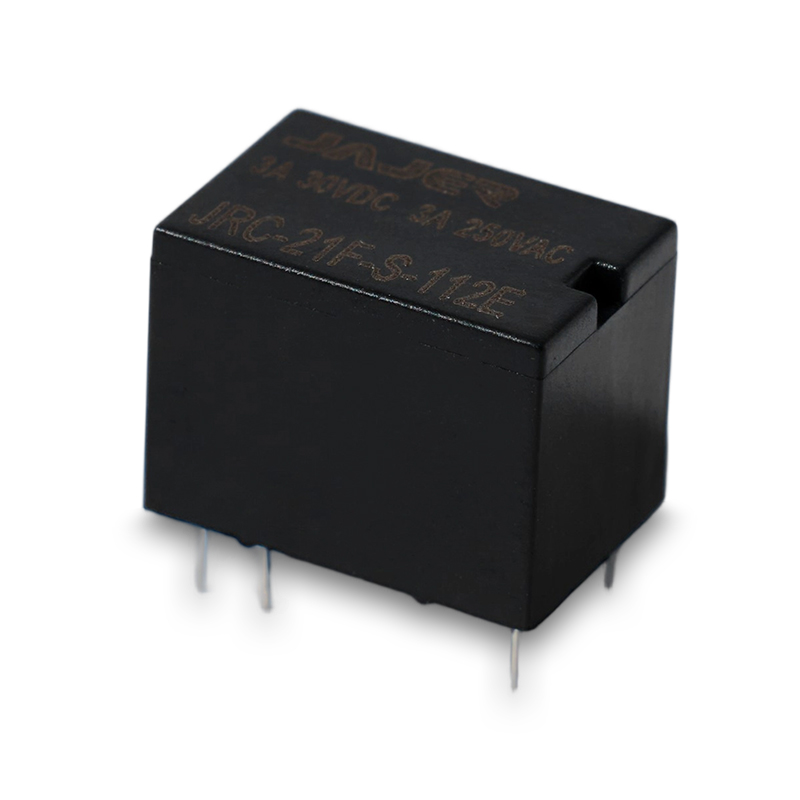
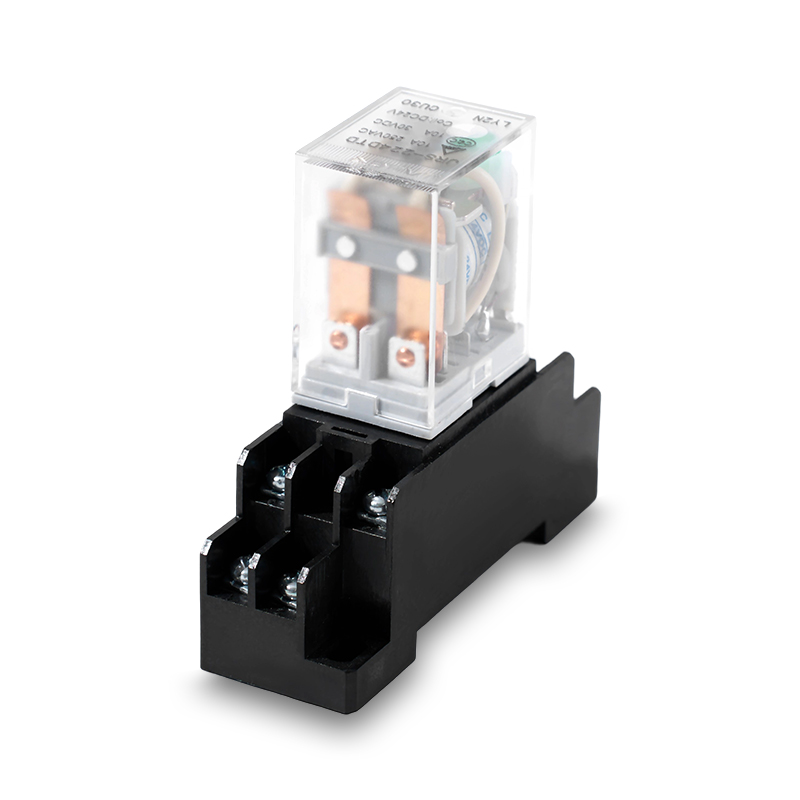
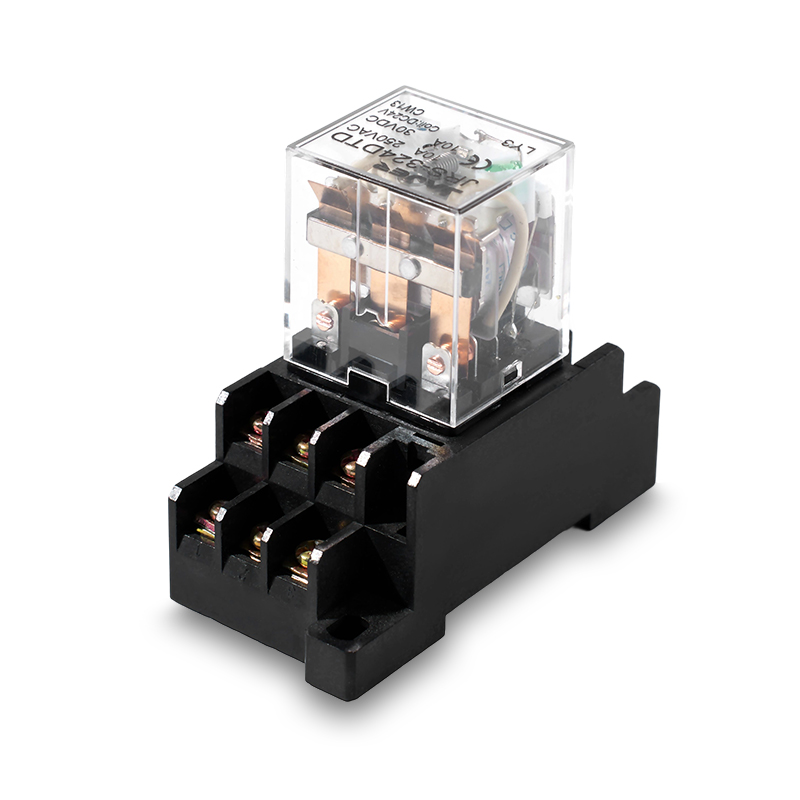
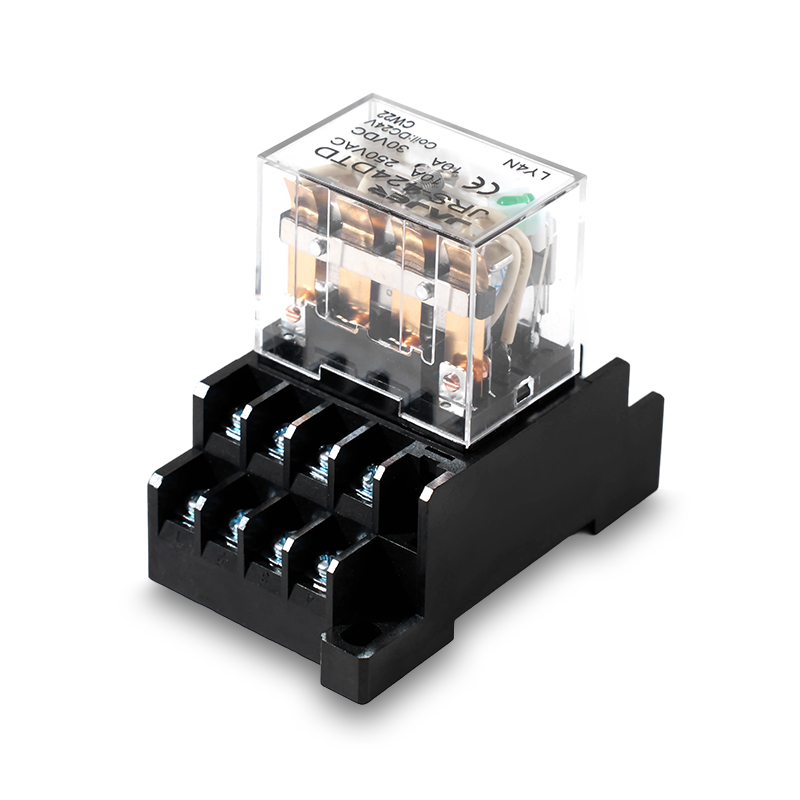
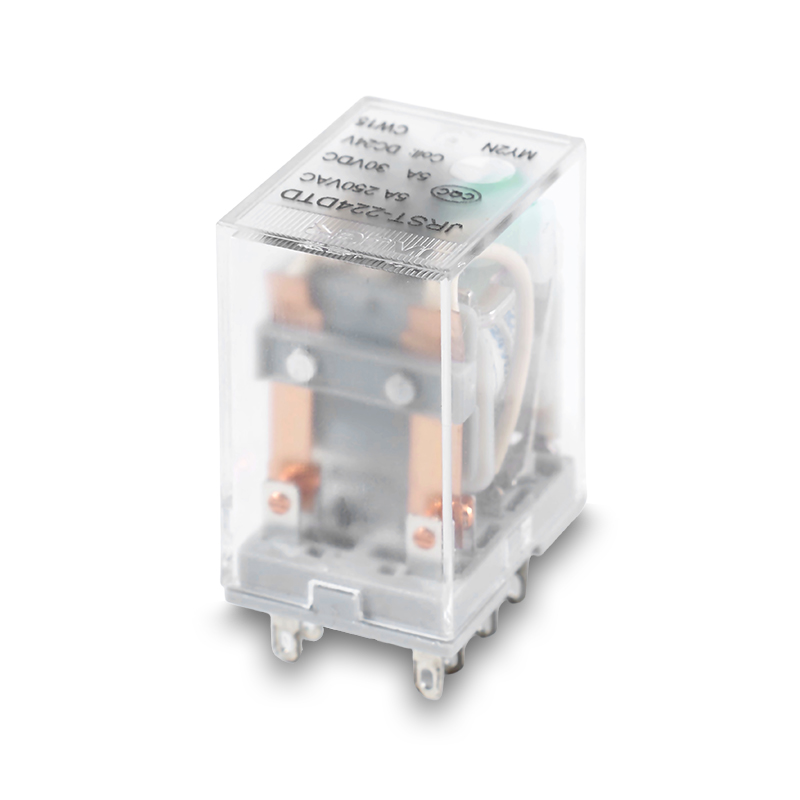
In industrial and automation applications, DC overload relay and DC power switching relay play critical roles in controlling and protecting DC circuits. However, one common challenge many engineers and technicians face is relay contact wear and eventual failure during operation. Understanding why contacts wear out and how to prevent or mitigate such failures can significantly improve system reliability and reduce downtime.
What Causes Contact Wear in DC Relays
Unlike AC circuits, DC power does not pass through zero volts during each cycle. This means that when a dc power switching relay opens or closes under load, the arc generated between the contacts can persist longer and be more intense than in AC switching. DC arcs have no natural zero crossing to extinguish the arc quickly, which accelerates contact wear. Over repeated switching cycles, this leads to contact erosion and pitting, eventually degrading the relay’s ability to switch reliably.
Another factor contributing to wear is switching inductive loads, such as motors or solenoids. The energy stored in the inductance produces high-voltage spikes when the relay opens, which further intensifies arcing and contact damage. In DC circuits, the absence of alternating zero crossings exacerbates this effect.
Signs of Relay Contact Deterioration
Identifying early signs of contact wear can help technicians take corrective action before complete failure. Typical indicators include:
Higher than normal contact resistance: As contact surfaces wear and pit, resistance increases, causing voltage drops and heat buildup.
Visible blackened or pitted contacts: Physical inspection often reveals surface degradation on the contact faces.
Intermittent switching behavior: As the contacts struggle to make or break the circuit, you may notice erratic operation or failure to energize loads.
These symptoms typically show up in systems where relays switch frequently or handle loads near their rated limits.
Why DC Arcing Is More Severe
Arc suppression is more challenging in DC than AC for the simple reason that AC naturally crosses zero 100 or 120 times per second (depending on frequency), helping extinguish arcs quickly. DC, by contrast, maintains a steady flow, so once an arc starts, it can persist until physical separation increases the gap enough to quench the arc. This places higher stress on contact materials and shortens relay life in high-power applications.
The material used for contacts also influences how well a relay handles arcing. Contact metallurgy must be chosen to withstand thermal stress and resist oxidation. Improper contact materials will wear more quickly, particularly in applications with frequent switching or high inrush currents.
Practical Solutions to Minimize Contact Wear
Fortunately, several strategies can help extend the life of a dc overload relay or dc power switching relay, improving system performance and longevity:
Select the Right Relay Rating: Always choose a relay with contact ratings and insulation suitable for the expected load and switching frequency. Overrating slightly for the actual load can reduce stress on the contacts.
Use Arc Suppression Techniques: Installing snubber circuits, RC networks, or other suppression devices across the relay contacts can reduce arc energy and protect contact surfaces. These measures are especially useful in inductive load environments.
Implement Load Conditioning: Components such as inrush current limiters or soft-start circuits can moderate the peak currents that occur during switching, decreasing stress on the contacts.
Enhanced Contact Designs: Some relays use optimized contact metallurgy or arc blowout magnets to reduce arc duration during opening. These design features are worth considering in demanding DC switching applications.
Routine Inspection and Maintenance: Periodic inspection of relay contacts for signs of wear and timely replacement when degradation is visible can prevent unexpected failures.
Real‑World Applications and Practices
In many industrial systems, reliability is paramount. Manufacturers like Wenzhou Jiajie Electric Co., Ltd. emphasize choosing relays designed explicitly for DC applications, because misapplying AC‑rated relays in DC circuits often results in accelerated wear or failure due to insufficient arc extinguishing characteristics. Properly rated DC relays and overload devices help ensure consistent performance in environments ranging from battery‑powered equipment to renewable energy systems.
Regular maintenance programs should include checks for contact wear, especially in systems with high switching frequency. Combining careful relay selection with preventive maintenance can significantly reduce unplanned downtime and extend component life.
Maximizing DC Relay Lifespan
Contact wear is a real concern in DC overload relay and DC power switching relay applications, particularly under heavy or inductive loads. Understanding the mechanisms behind arcing and contact degradation allows engineers to take proactive steps — from proper component selection to arc suppression and preventive maintenance — that enhance system reliability. By addressing these issues at the design and operational levels, it’s possible to maintain efficient and safe DC power control in a wide range of industrial environments.




 English
 русский
 Español