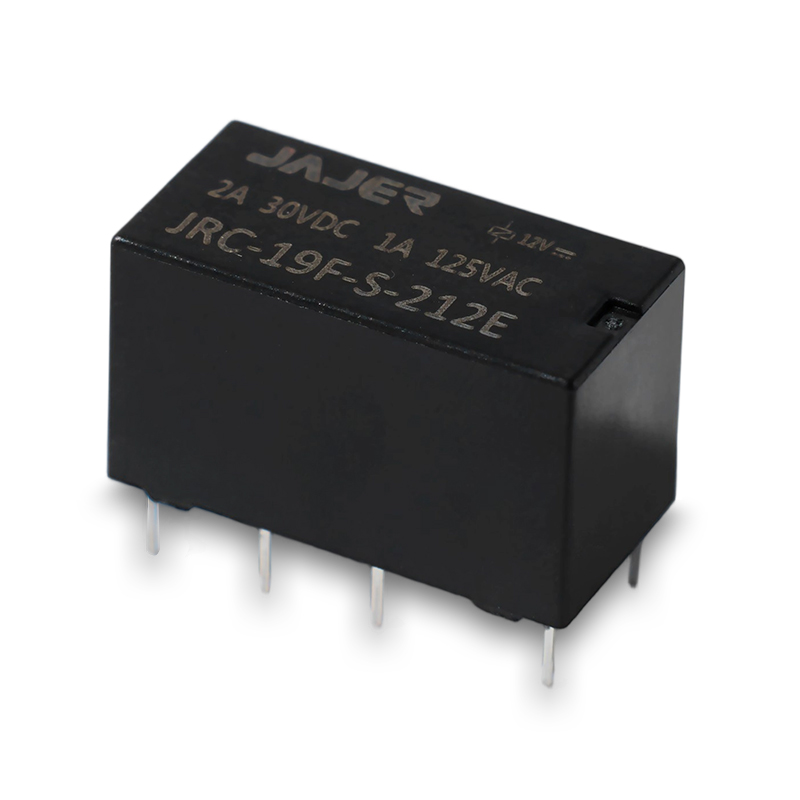
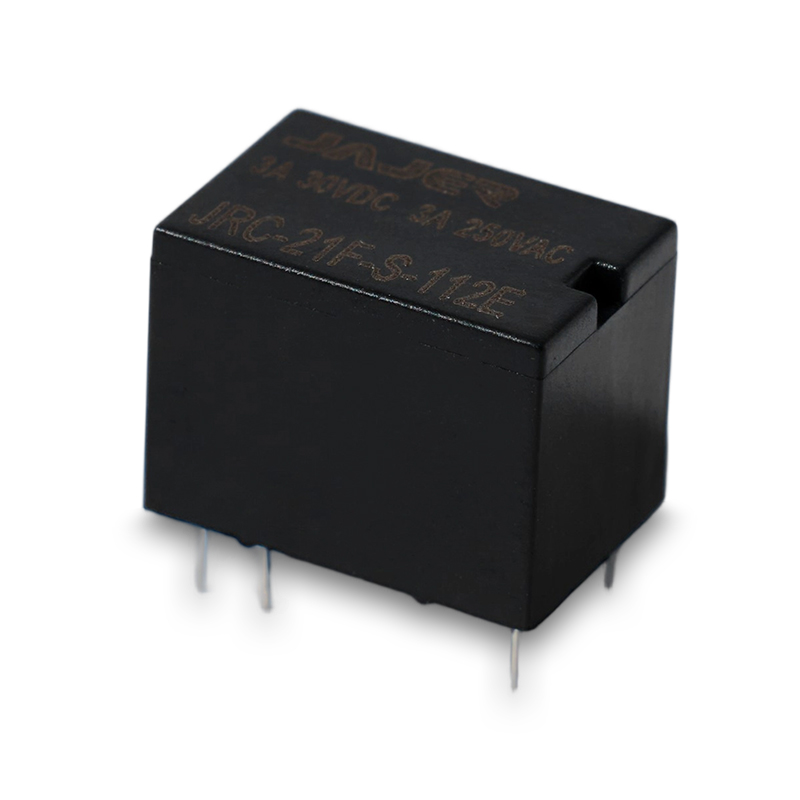
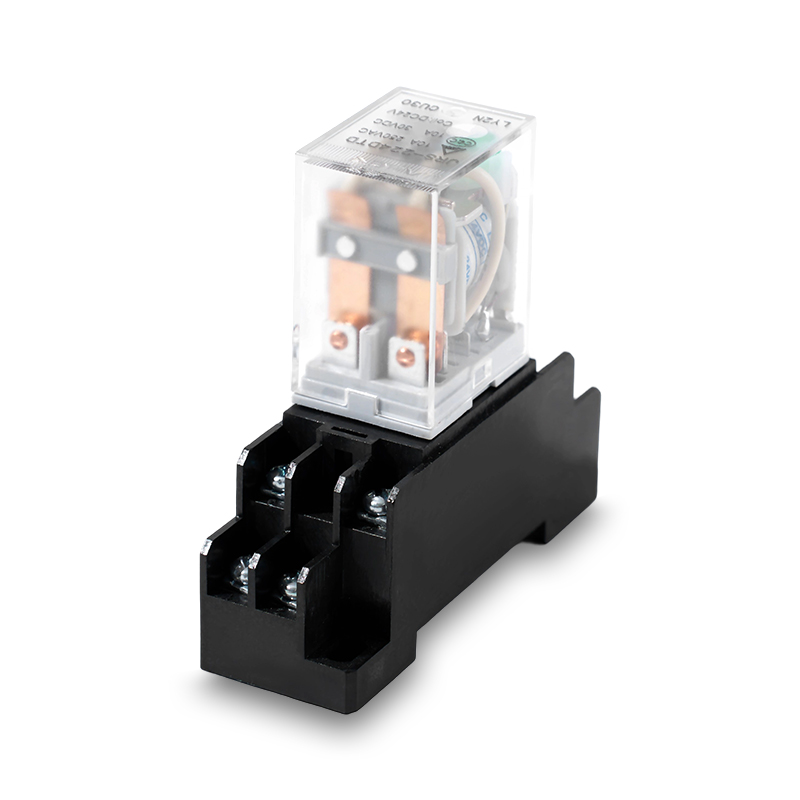
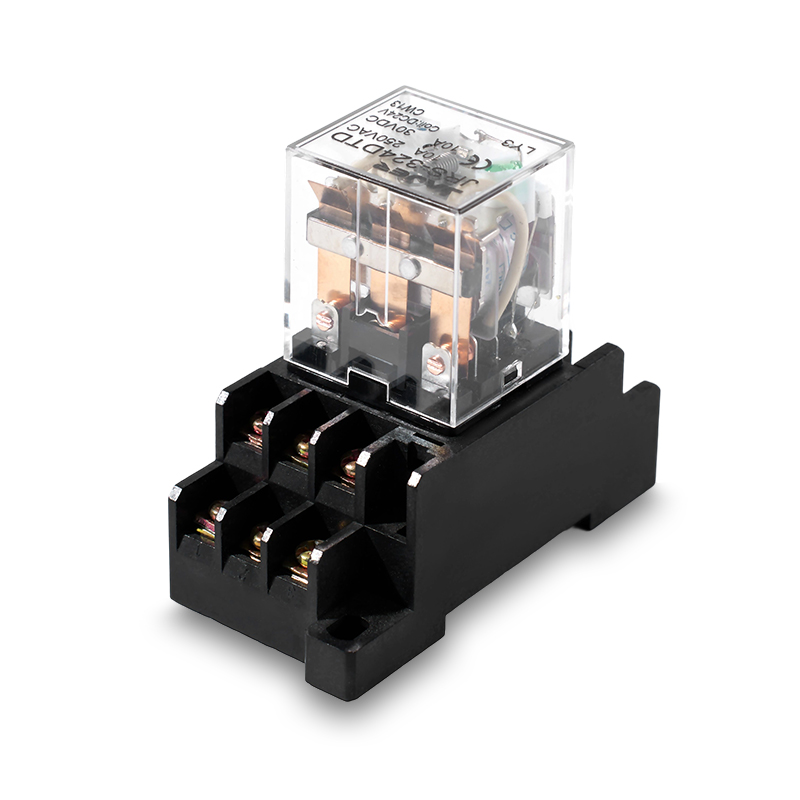
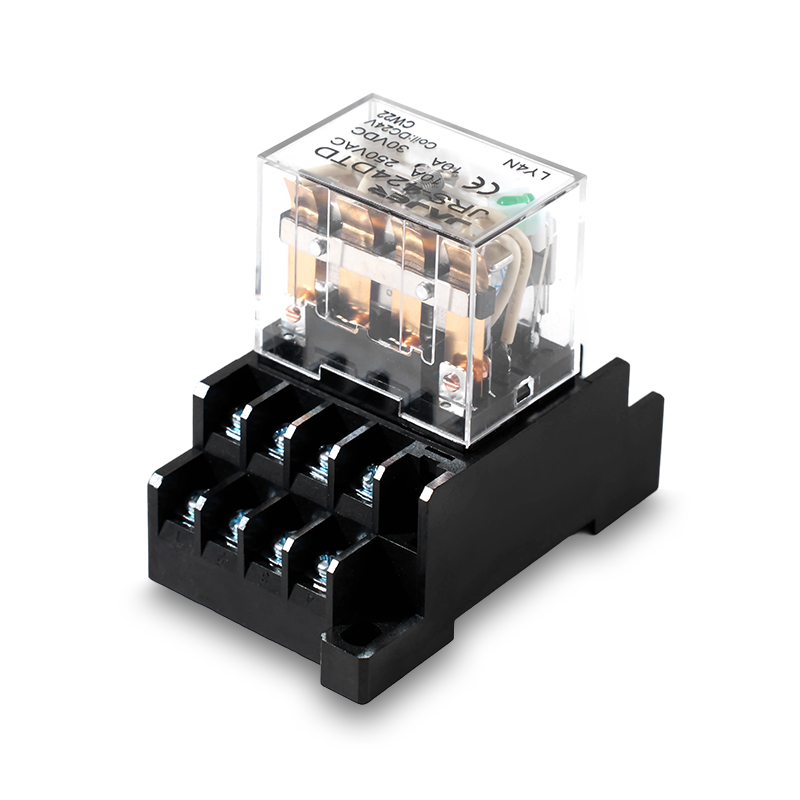
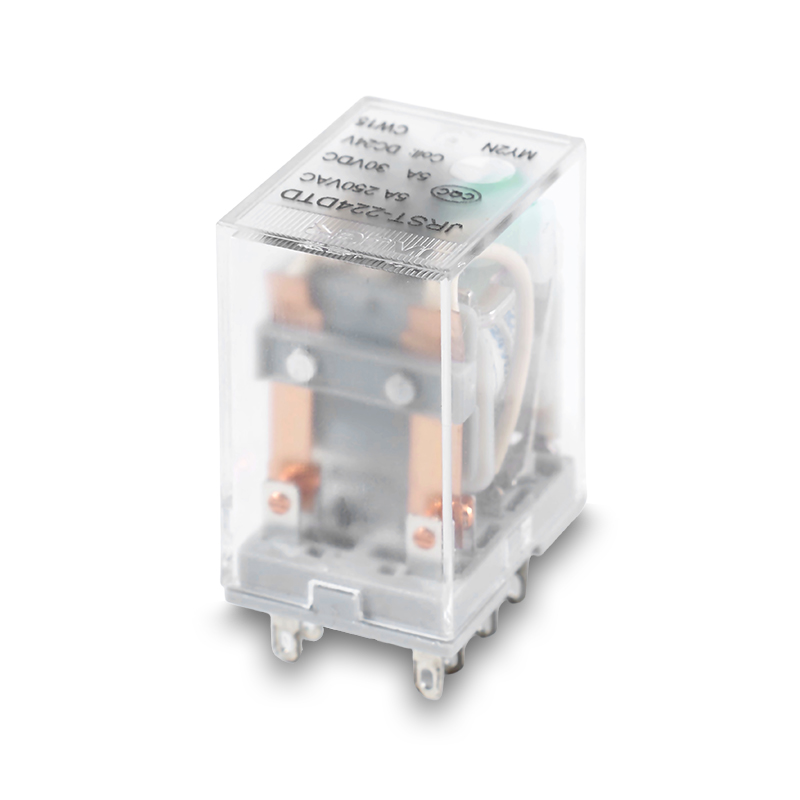
When working with DC overload relay and DC power switching relay components in automation, renewable energy systems, or battery‑powered applications, many engineers find that relay specifications don’t always behave the way they expect—especially when switching DC loads. Understanding derating rules and switching characteristics is essential to choosing the right relay and ensuring long‑term reliable operation.
Unlike AC circuits, DC power does not periodically cross zero volts. This unique characteristic has direct implications for how DC overload relay and DC power switching relay devices handle electrical arcs and contact switch‑off behavior. In simple terms, DC arcs tend to last longer and are harder to quench than their AC counterparts, requiring relays rated specifically for DC switching.
Why AC‑Rated Relays Don’t Always Work for DC
A common question among designers is whether an AC‑rated relay can be safely used to switch DC loads. AC power naturally crosses zero volts several times per second, which helps extinguish the electrical arc when contacts open. DC power, by contrast, has no zero crossing, so once an arc forms between the contacts it persists longer, causing more severe contact wear and pitting.
This difference in switching behavior explains why relays often have lower DC voltage and current ratings compared to their AC ratings—manufacturers account for increased arcing and thermal stress when switching DC loads. Therefore, choosing a relay with an appropriate DC rating isn’t simply about matching voltage numbers; it’s about ensuring the relay contacts are designed to withstand extended arc duration without welding or excessive wear.
What Derating Actually Means
Derating refers to reducing the maximum allowable load of a component below its nominal rating to prevent premature failure. For DC switching, derating typically applies to voltage, current, and switching frequency. A relay that handles 30 A at 120 VAC might only be rated for much lower DC loads because DC arcs are harder to extinguish and generate more intense contact stress.
Some practical derating considerations include:
DC voltage rating: Ensure the relay is expressly rated for the DC voltage level you need. The absence of zero cross in DC makes higher voltages more challenging to interrupt cleanly.
Switching frequency: Frequent switching increases contact wear due to cumulative arcing. If your application involves many switching cycles, consider limiting frequency or using protective methods.
Inductive loads: DC inductive loads like motors, solenoids, or coils can produce high reverse EMF when switched off, further stressing contacts. Suppression techniques such as freewheeling diodes or snubber circuits are often recommended.
Contact Wear and Contact Protection
Even when a relay is correctly derated for DC use, contact wear remains a critical concern. Arcing erodes contact surfaces over time, causing pitting and increasing contact resistance. As a result, switch performance deteriorates, and the likelihood of relay failure increases.
Manufacturers and designers often take steps to reduce this wear:
Contact protection components: Adding snubber circuits or surge suppressors can limit voltage spikes that occur when switching inductive DC loads. This reduces arc intensity and contact degradation.
Use of diodes: A freewheeling diode across inductive loads absorbs energy when the relay opens, mitigating high voltage spikes that would otherwise stress contact surfaces.
Appropriate contact materials: Relays designed for DC applications may use contact alloys that resist arcing damage better than standard AC contact materials. These materials improve longevity in high‑stress environments.
Designing for Reliability
Proper design doesn’t end with selecting the right relay. To ensure that a DC overload relay or DC power switching relay performs well over time:
Test with actual loads: Confirm that the relay operates reliably under real application conditions, not just on paper.
Allow sufficient margin: Always choose a relay with a rating comfortably above your expected load, not merely at the nominal value.
Consider environmental factors: Temperature, humidity, dust, and vibration all affect relay life. These factors can speed up contact wear or cause corrosion.
A well‑sized relay with proper protection significantly reduces maintenance needs and downtime. In our own experience at Wenzhou Jiajie Electric Co., Ltd., specifying relays with ratings matched to DC environments and providing engineered protection components improves system performance and reliability across various industrial applications.




 English
 русский
 Español