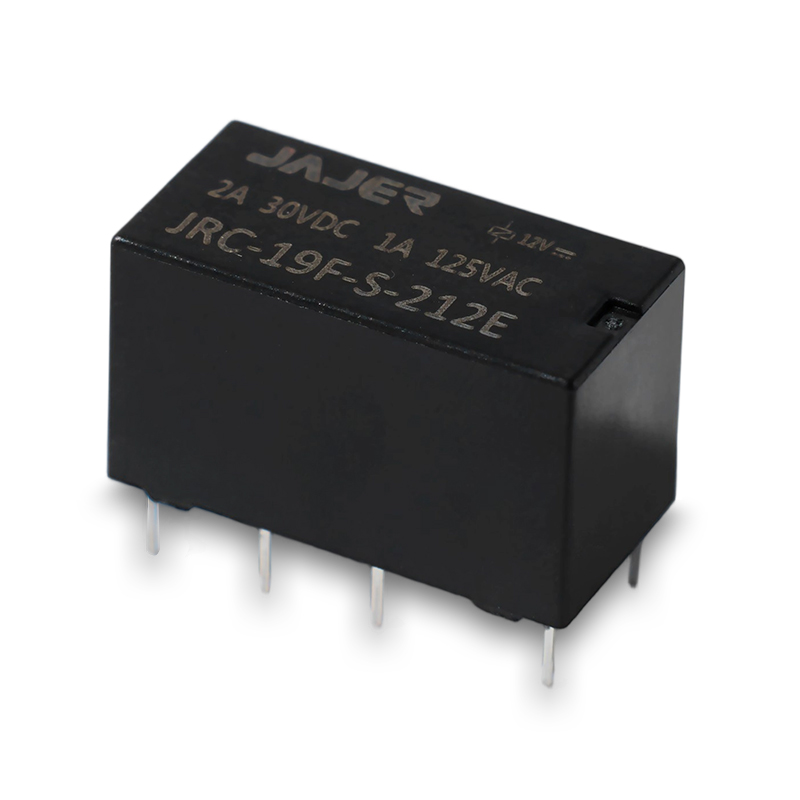
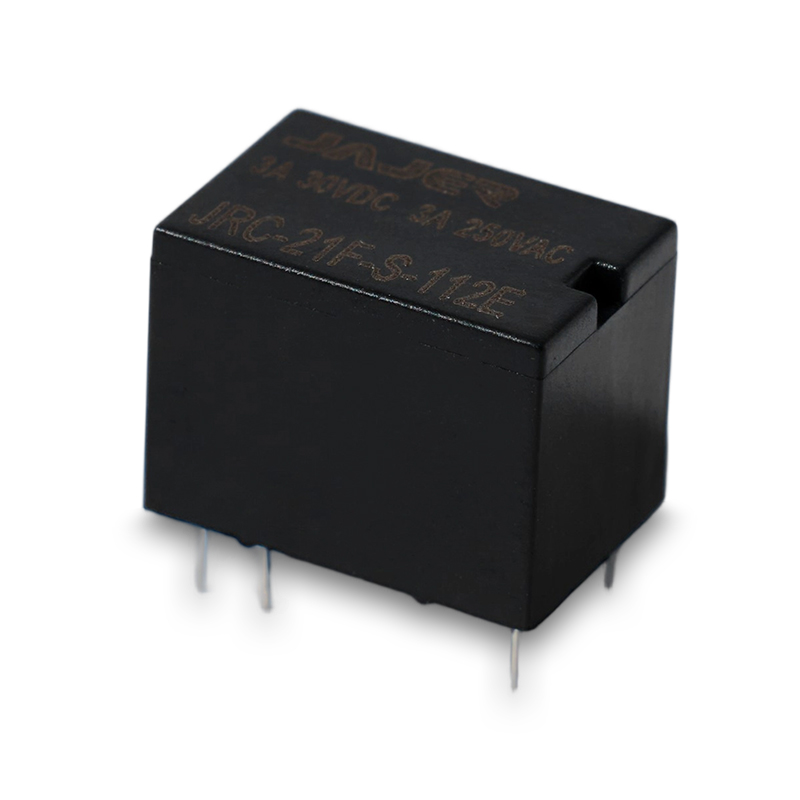
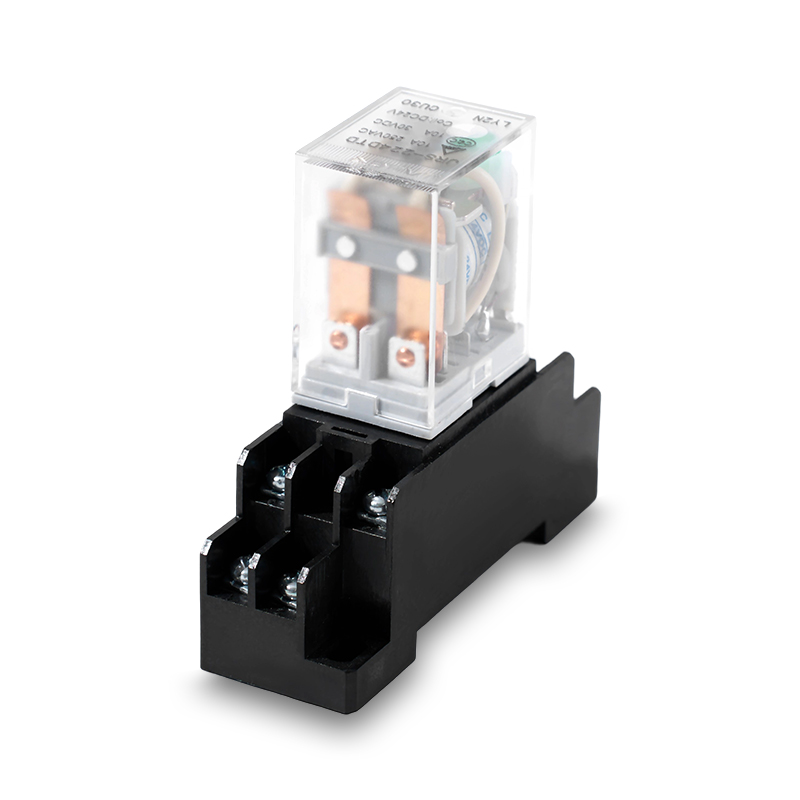
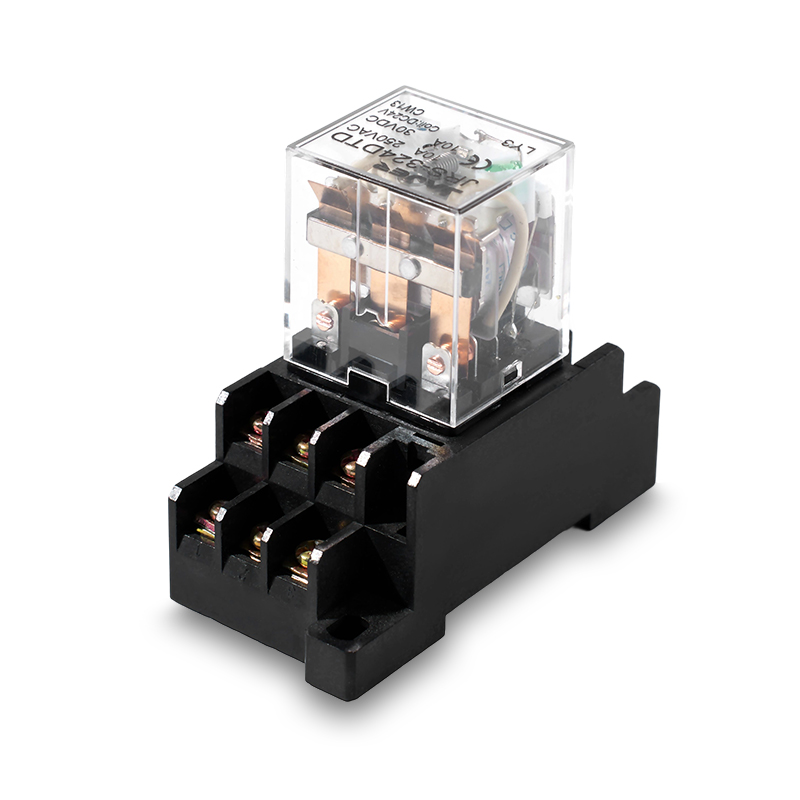
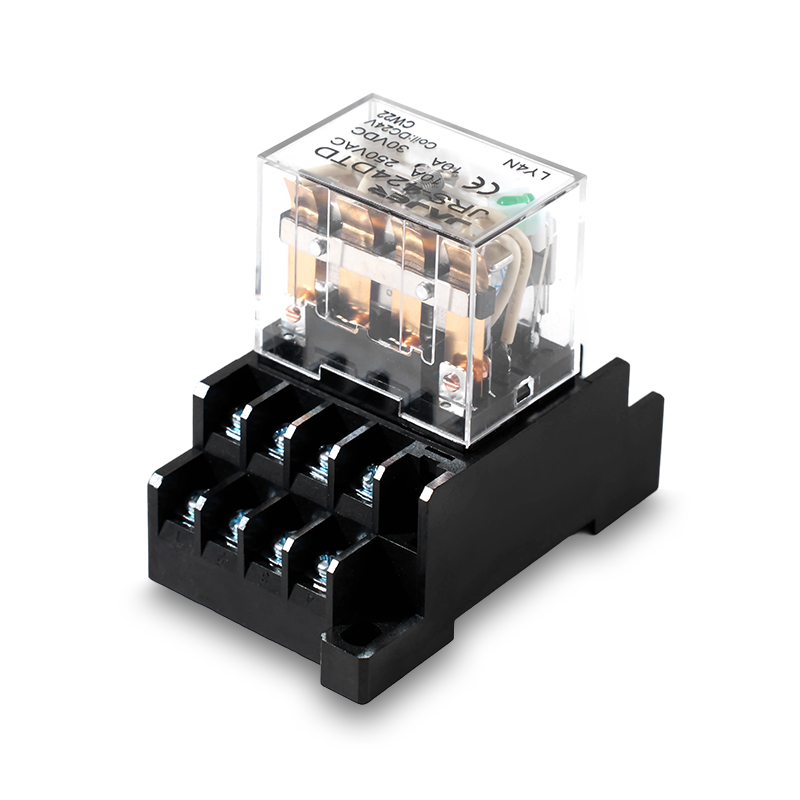
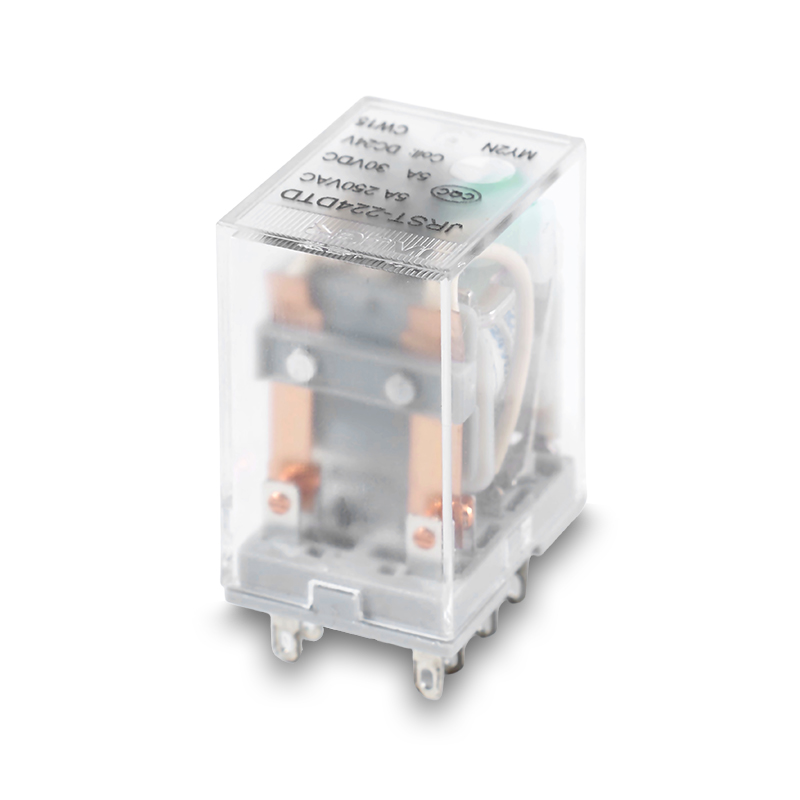
Thermal stress is a frequent concern when designers and technicians discuss PCB Power Relay failures, especially in automotive and industrial applications. In many systems, an Automotive PCB Relay handles significant current loads in compact spaces, and prolonged heat exposure can undermine its performance and reliability over time. People in design teams, maintenance workshops, and vehicle electronics troubleshooting are increasingly asking whether heat alone can damage these crucial components — and what signs to watch for before a failure occurs.
At Wenzhou Jiajie Electric Co., Ltd., engineers commonly encounter questions like “Why does this PCB power relay fail earlier than expected?” or “Can heat buildup actually reduce switching life?” The short answer, based on real operational feedback and engineering tests, is yes — thermal stress can significantly shorten relay life and even cause outright failure when left unaddressed in the system’s design and layout.
Understanding Heat Sources and Stress in PCB Relays
A PCB Power Relay typically switches loads by mechanically opening and closing contacts. During this process, the contacts and the relay coil generate heat, especially under heavy current. When this heat is not efficiently dissipated, it accumulates on the PCB, elevating ambient temperature around the relay. In automotive environments or confined enclosures, this effect is amplified due to limited airflow and additional heat from nearby components or harnesses.
Thermal stress arises when the relay sees frequent temperature cycling — heating under load and cooling when idle. Over time, repeated cycling:
Causes expansion and contraction of relay materials.
Weakens solder joints and internal spring tension.
Increases oxidation at contact surfaces.
Degrades insulation and internal coil windings.
These effects can eventually lead to permanent contact deformation or coil failure — effectively “killing” the relay’s intended switching function long before its rated lifecycle.
Why Automotive Applications Are Especially Vulnerable
In many vehicles, Automotive PCB Relay units are mounted in engine compartments, fuse boxes, or underdash power modules — all areas with high thermal loads. Unlike consumer electronics with passive cooling or heat sinks, automotive PCBs often rely on natural convection and ambient airflow, which can be insufficient in high heat conditions. Consider how:
Engine heat increases underhood temperatures.
Other power electronics or power resistors generate additional warmth.
Vehicle vibration contributes to micro-fractures in solder joints.
These factors combine, forcing the relay to operate in a thermally stressed zone that accelerates wear.
Signs Thermal Stress Is Affecting Your Power Relay
Users and technicians commonly notice certain symptoms long before a relay stops functioning entirely. These include:
Intermittent Switching Performance: The relay may chatter or fail to maintain a stable open or closed state, indicating internal spring fatigue or contact oxidation caused by fluctuating temperature extremes.
Higher Contact Resistance: Excessive heat can increase resistance at contact points, triggering voltage drops and heat buildup that exacerbate the relay’s thermal stress.
Discoloration or Warped Terminals: Visible heat damage on the PCB or relay casing often points to poor heat management.
Unexpected Load Behavior: Components downstream from an overheated relay might behave erratically due to unstable power delivery, especially under heavy load.
Understanding these signs allows maintenance teams to intervene before a full relay failure leads to system downtime or unpredictable behavior.
Engineering Mitigations to Thermal Stress
Effective thermal management begins with thoughtful PCB and system design. Here are several commonly recommended practices:
Select Relays with Sufficient Ratings: Choose a PCB Power Relay that exceeds the expected load and temperature conditions rather than selecting a marginally rated part. Higher rated relays have broader thermal margins, reducing stress under continuous use.
Optimize PCB Layout for Heat Dissipation: Place relays away from heat sources, add thermal relief polygons around high-current traces, and ensure enough spacing for airflow.
Use Heat-Resistant Materials: Boards with higher thermal tolerance and relay housings that withstand elevated temperatures help delay degradation.
Implement Cooling Strategies: Strategic ventilation, small fans, or thermal vias can improve heat transfer away from critical components in enclosures.
Testing and Long-Term Reliability Planning
To guard against premature failure, thorough testing under expected operating conditions is essential. This includes thermal cycling tests, endurance switching under load, and periodic inspection in real applications. Many engineers also recommend thermal logging sensors near relays to gather data over time, enabling predictive maintenance before failures occur.
Thermal stress presents a real challenge for automotive and industrial relay applications but understanding its causes and signs helps designers and technicians build more reliable systems. With careful selection, layout design, and proactive thermal strategies, the lifetime of a PCB Power Relay — and its automotive counterpart — can be extended, reducing downtime and enhancing overall system stability in demanding environments.




 English
 русский
 Español