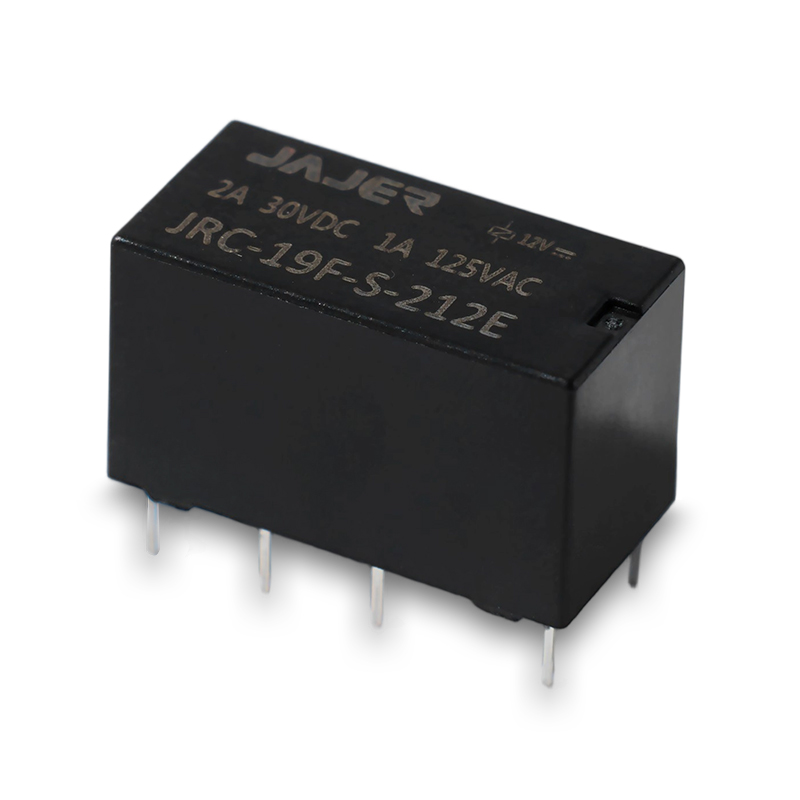
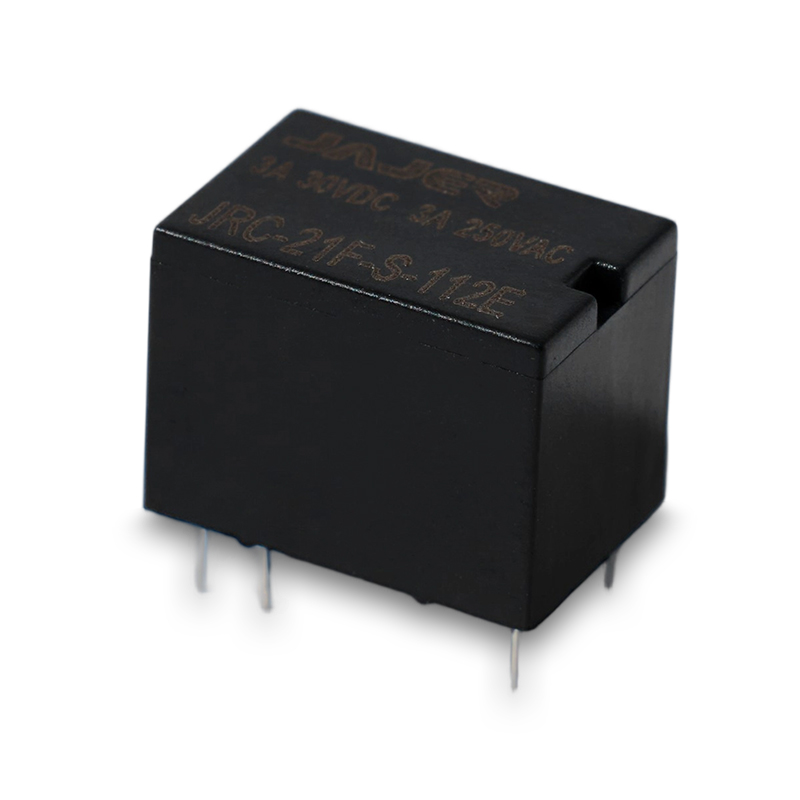
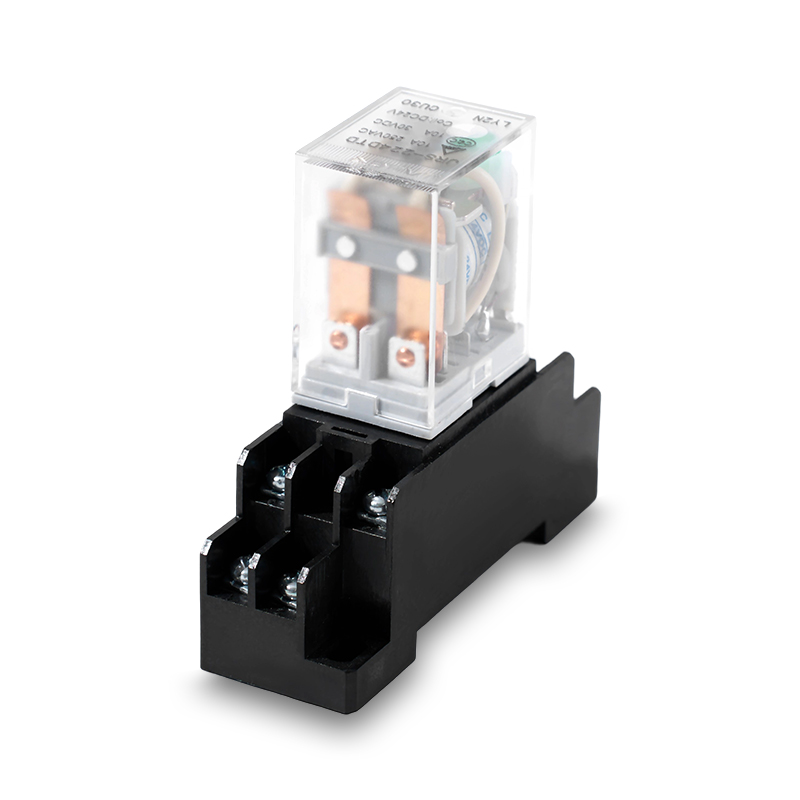
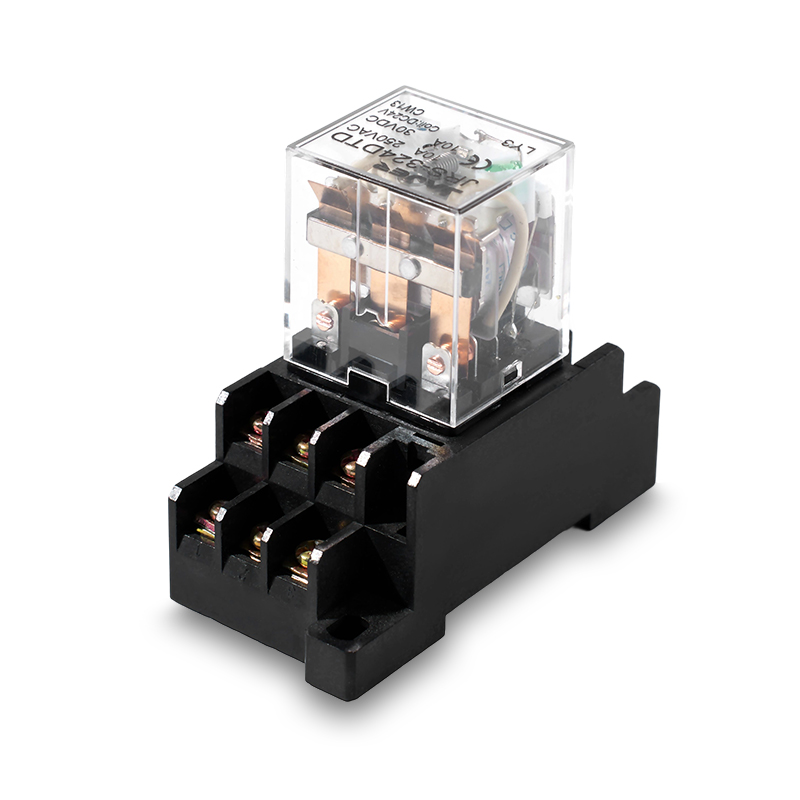
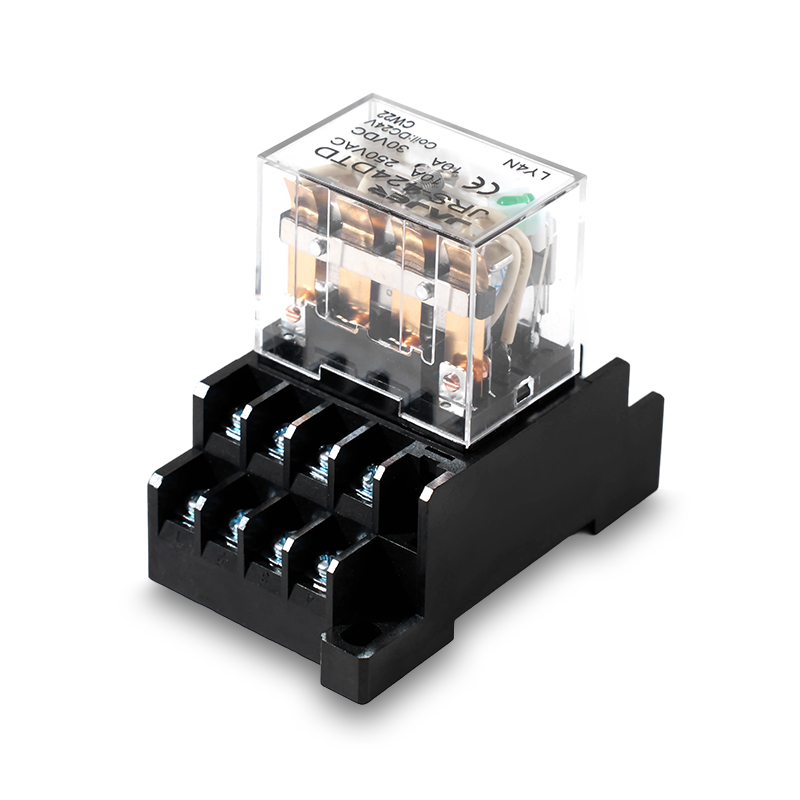
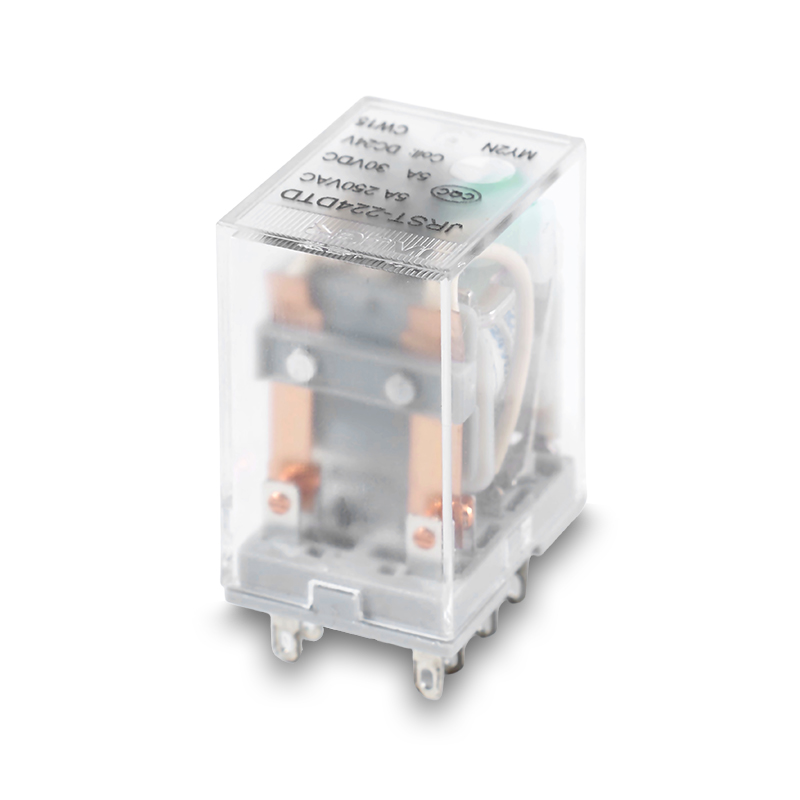
Automotive PCB Relay issues can lead to unexpected system resets, performance drops, and even intermittent failures in vehicle electronics. In many automotive applications, a PCB Power Relay serves as a critical switch controlling power to key systems such as engine control modules, lighting circuits, and accessory loads. When these relays don’t behave as expected, vehicle electronics can behave unpredictably, triggering resets that confuse technicians and end-users alike.
At Wenzhou Jiajie Electric Co., Ltd., we often hear questions such as: “Why does the vehicle reset after installing a new automotive relay?” or “Could the PCB Power Relay itself cause ECU resets?” These problems are rooted in electrical characteristics and design choices that affect how relays operate under real-world conditions.
1. Electrical Load Stress and Relay Contact Behavior
One common source of system resets is the way relay contacts switch loads with varying electrical demands. Relays are designed to open and close contacts under specific current ratings, but in automotive environments the load may include inductive elements like motors and solenoids that create high inrush currents. This results in:
Contact pitting and erosion due to repeated arcing.
Increased contact resistance leading to voltage drops.
Overheating of the relay contacts and coil over time.
These effects can distort the supply voltage to other circuits on the same PCB, causing microcontrollers or ECUs to reset unexpectedly. Properly matching the relay’s current rating to the expected electrical load reduces this risk and enables more stable operation.
2. Thermal and Environmental Influences on Relay Performance
Another user concern is related to heat and environmental conditions. Automotive PCBs are often placed under the hood or near heat-generating components, and a PCB Power Relay operating in that space must withstand sustained temperature variations. High temperatures can change the resistance of the relay coil and contacts, which may cause:
Reduced pull-in force of the electromagnetic coil.
Higher contact resistance with longer switching delays.
Thermal expansion that affects solder joints and contact alignment.
These thermal influences don’t just degrade the relay — they ripple through the power distribution network of the PCB, occasionally resulting in system resets as other components detect power instability.
3. PCB Layout and Relay Placement Effects
User troubleshooting discussions often point out that Automotive PCB Relay placement and layout on the PCB has a direct impact on system stability. When relays are placed close to sensitive logic circuits without adequate spacing, several issues can arise:
Electromagnetic interference (EMI) from relay switching induces noise into nearby traces.
Shared ground or power planes may carry transient spikes from relay switching events.
Poor trace routing can create hotspots that influence logic voltage thresholds.
To mitigate such issues, designers should adhere to good PCB layout principles. Isolating the relay’s power path, using dedicated ground returns, and placing decoupling capacitors near sensitive circuits help minimize noise coupling. Appropriate trace width and spacing around the relay’s high-current paths also reduce unintended side effects.
4. Diagnostics and Testing Methods
When users ask “Why did the automotive system reset after installing a new relay?” the answer often lies in testing. Effective diagnostic methods include:
Visual inspection for solder joint integrity and contact condition.
Multimeter continuity tests across the relay coil and contacts to detect poor connections.
Thermal imaging to check for localized heating around the relay during operation.
Load simulation to ensure that relays are switching the expected current without exceeding their ratings.
Some technicians also test the relay separately under controlled conditions to rule out board layout effects before concluding that the relay or delivery system is at fault.
5. better Practices for Stable Automotive Relay Integration
Based on common user reports and engineering experiences, here are some practical suggestions:
Choose relays with ratings comfortably above the expected load, not just at the minimum required specs.
Ensure PCB trace widths and copper weight are sufficient for the intended current, avoiding narrow power traces.
Add suppression components like snubbers or diodes when switching inductive loads to reduce voltage spikes.
Evaluate thermal behavior early in the design using real operating conditions rather than relying solely on datasheet ambient ratings.
These proactive steps improve overall reliability and reduce the likelihood that a PCB Power Relay will trigger system resets or other anomalies.
System resets linked to relay problems can be frustrating, but understanding the underlying electrical, thermal, and design influences empowers engineers and technicians to pinpoint issues more quickly. With thoughtful selection, careful PCB layout, and solid testing procedures, Automotive PCB Relay and PCB Power Relay performance can be stabilized, reducing downtime and supporting better user experiences.




 English
 русский
 Español