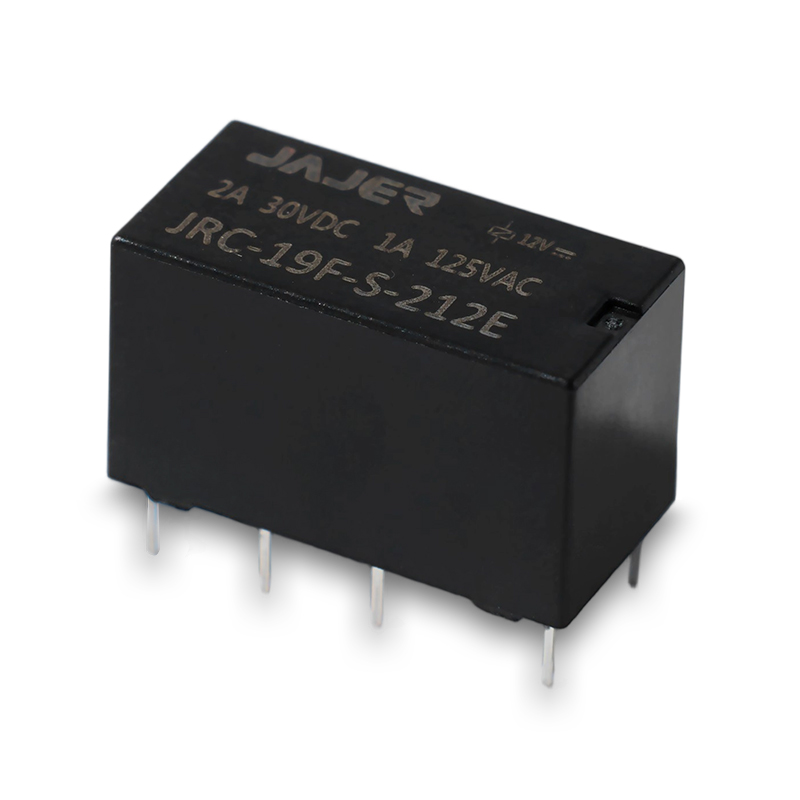
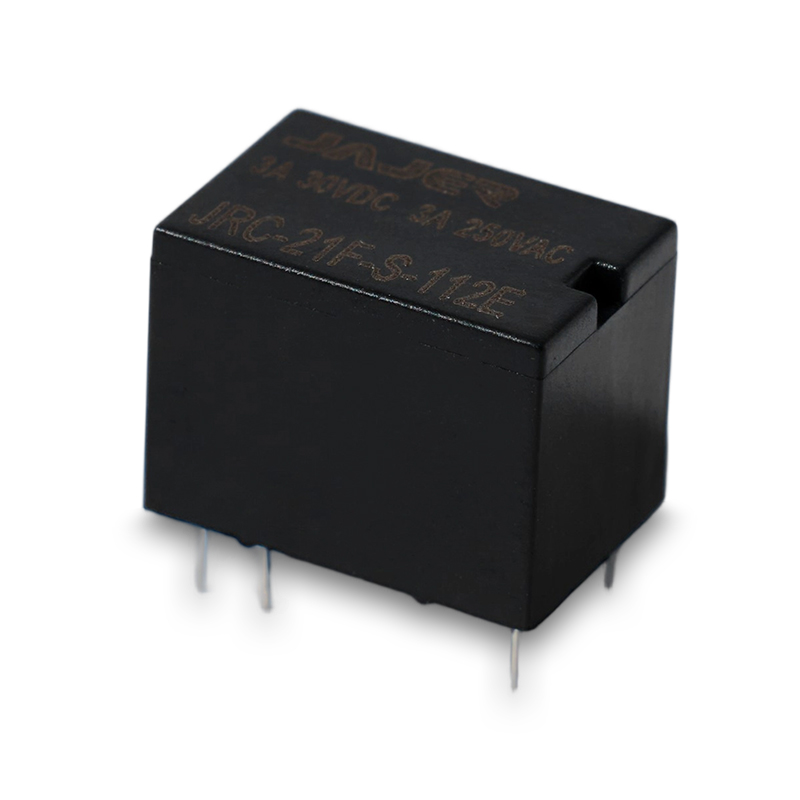
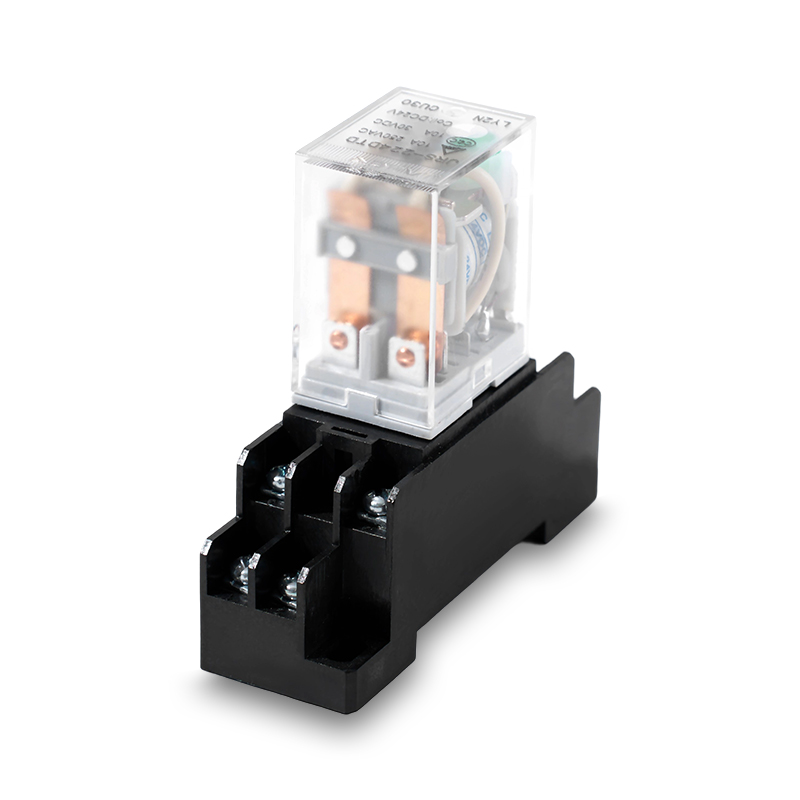
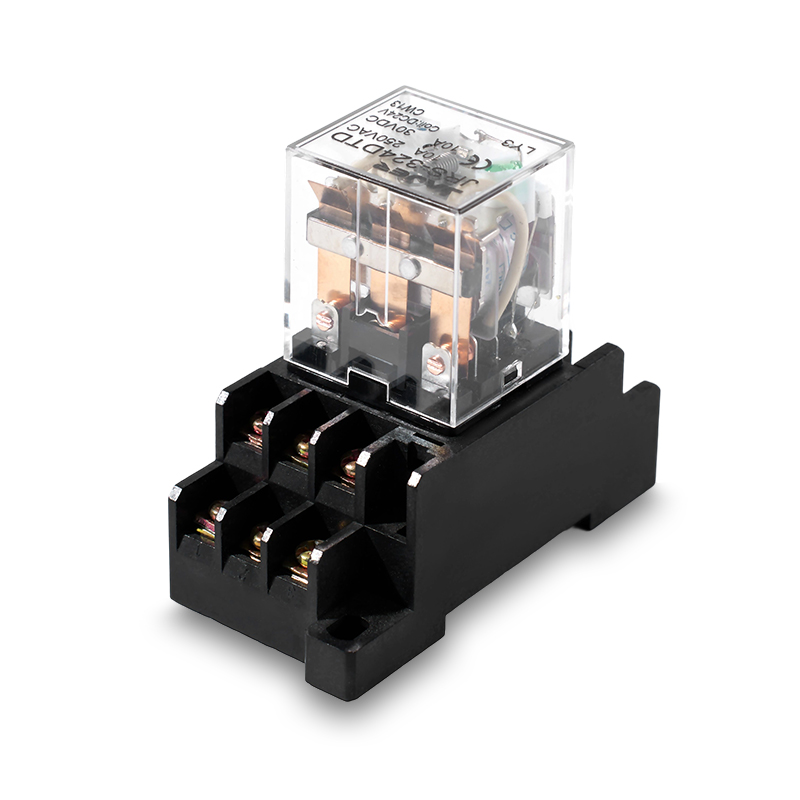
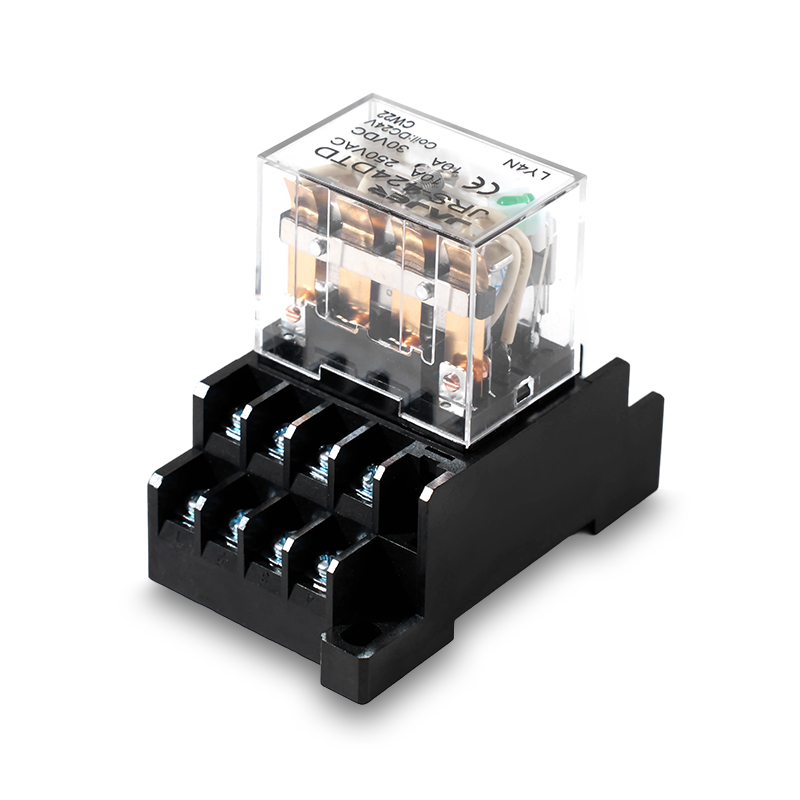
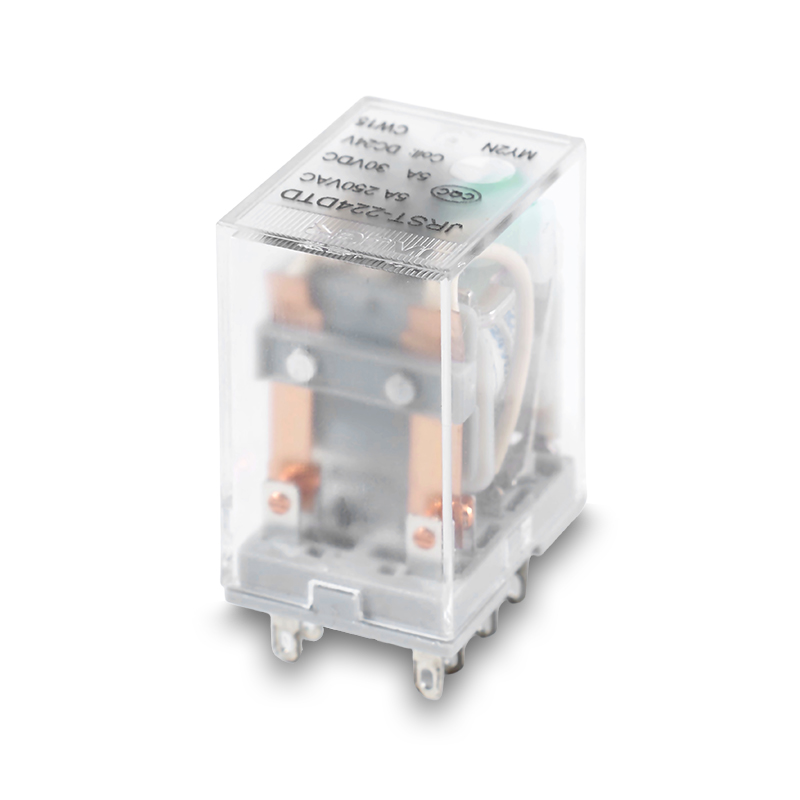
In many electrical and industrial applications, a DC overload relay or DC power switching relay is expected to control loads reliably over thousands of switching cycles. Yet one issue that frequently leads to premature relay failure is high inrush current. This transient surge can be several times higher than the steady‑state current, especially with inductive or capacitive loads. Understanding how inrush current affects relay contacts and how to mitigate these effects is essential for robust DC system design.
When a relay closes to energize a load, the initial surge — or inrush current — can create conditions far harsher than the relay’s rated steady‑state specifications. For example, motors and solenoids can draw 5–10× their running current during startup. Capacitive loads, such as power supply input filters, can also present high peak currents as capacitors charge. If the contacts aren’t rated to handle those peaks during the brief closure process, the result can be surface damage or even welding of contacts.
In DC circuits, this problem is exacerbated by the absence of a natural zero crossing of the current waveform, unlike AC systems. In an AC circuit, every half cycle forces the current to zero, helping extinguish arcs. DC, however, maintains a continuous flow, so any arc that forms across contacts during switching persists longer, causing more severe damage if not managed properly.

High inrush leads to two main types of harmful effects on relay components:
Contact Arcing and Erosion: As a relay contact closes or opens under load, microscopic contact bounce causes a brief arc. With high inrush, these arcs are much hotter and more energetic. Over time, repeated arcing erodes contact surfaces, creating pits and rough surfaces that cannot maintain low‑resistance contact.
Contact Welding: If the energy during arcing is high enough, contacts can literally fuse. This means the relay fails to open the circuit, keeping it “stuck” on even after the control signal is removed. Contact welding is a primary failure mode in DC power switching relays when exposed to unexpected high inrush events.
High inrush can occur in several common applications:
DC motors: Starting a DC motor often draws transient currents well above rated load. These surges can last long enough to stress contacts significantly.
Capacitor charging: Power supplies and DC link capacitors present a low‑impedance path at the instant of connection, causing a large charging current.
Transformers or large coils: Similar to motors, inductive loads release stored energy when switched, causing voltage spikes that intensify contact stress.
Damage from inrush doesn’t always happen all at once. Engineers and technicians should look for signs such as:
Flickering or intermittent switching: Worn contacts may not make clean contact, causing inconsistent load engagement.
Increased contact resistance: This can cause heat generation and energy loss over time.
Relay that won’t open: Welded contacts will keep circuits energized when they should be off.
There are several approaches to protect relays from inrush current damage:
1. Pre‑charge and Soft‑Start Methods
Using resistors or thermistors (NTC) to pre‑charge capacitive loads can spread the initial load over a longer time, reducing peak current. This soft‑start method is particularly helpful where large DC capacitors or links are present.
2. Arc Suppression and Protection Circuits
Installing suppression techniques such as flyback diodes across inductive components, RC snubbers across contacts, or varistors across loads can significantly minimize arcing energy. These components absorb transient energy that would otherwise stress contact surfaces.
3. Choose Relays With Higher Breaking Capacity
Selecting relays specifically designed for DC applications — with higher breaking capacity and contact materials — helps ensure they can handle occasional inrush events more gracefully. At Wenzhou Jiajie Electric Co., Ltd., for instance, model selections often include DC‑specific ratings clarified for inrush current conditions, ensuring greater reliability in demanding environments.
4. System Design Adjustments
Where possible, engineers may integrate contactors or solid‑state relays that are designed to manage high inrush loads more effectively than standard electromechanical relays.
Proper maintenance can extend the life of relays significantly. Periodic inspection of contacts for wear and testing under load conditions similar to real operation can reveal early signs of stress. Training maintenance personnel to recognize when a DC power switching relay shows signs of arcing or contact erosion is a proactive step toward system reliability.
High inrush current is a critical consideration in DC circuits using DC overload relay or DC power switching relay devices. When inrush is left unmanaged, it accelerates contact wear, increases the likelihood of welding, and ultimately undermines circuit protection. By combining pre‑charge strategies, arc suppression techniques, appropriate relay selection, and regular monitoring, engineers can significantly reduce the risk of inrush‑related damage and improve the lifespan and reliability of DC control systems.
Quick Contact
Yueshang Innovation Park, Wengyang Street, Yueqing City, Zhejiang, China
Pages
Products
Stay In Touch
If you have any questions or need help, feel free to contact with our team.

Power distribution electromagnetic relay manufacturers



 English
 русский
 Español