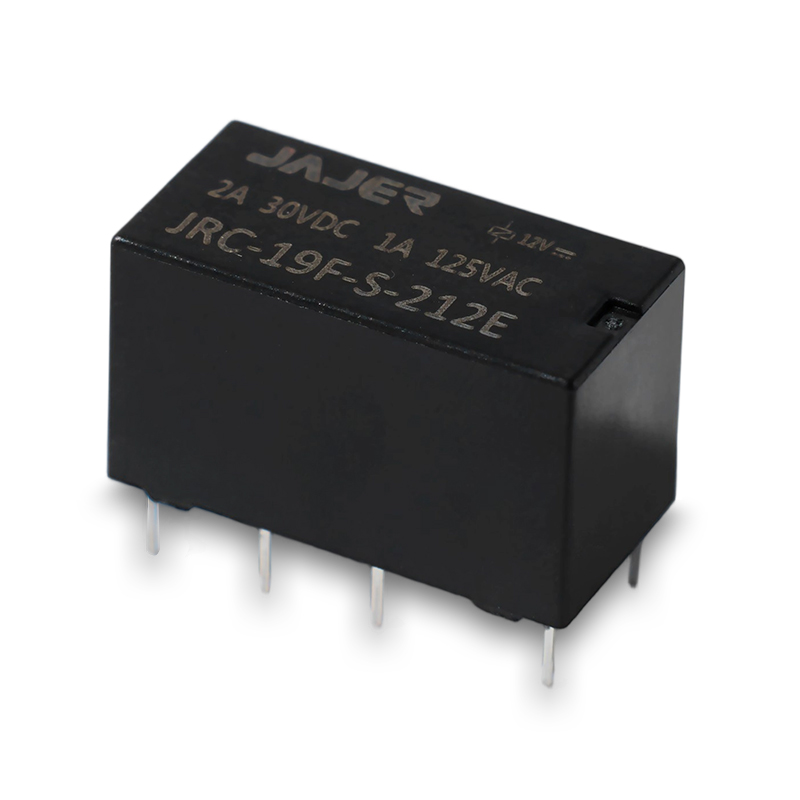
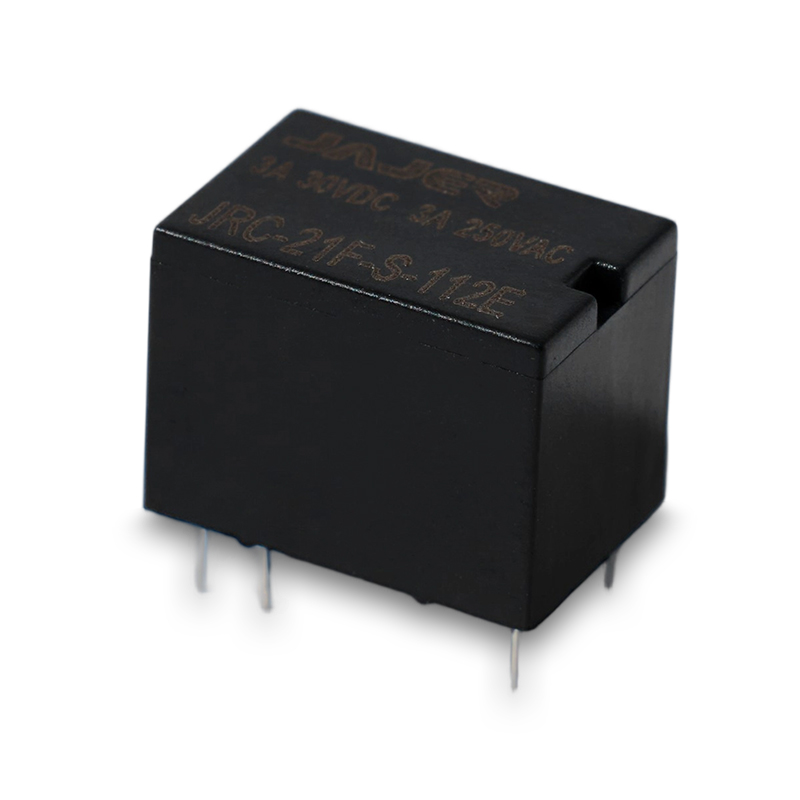
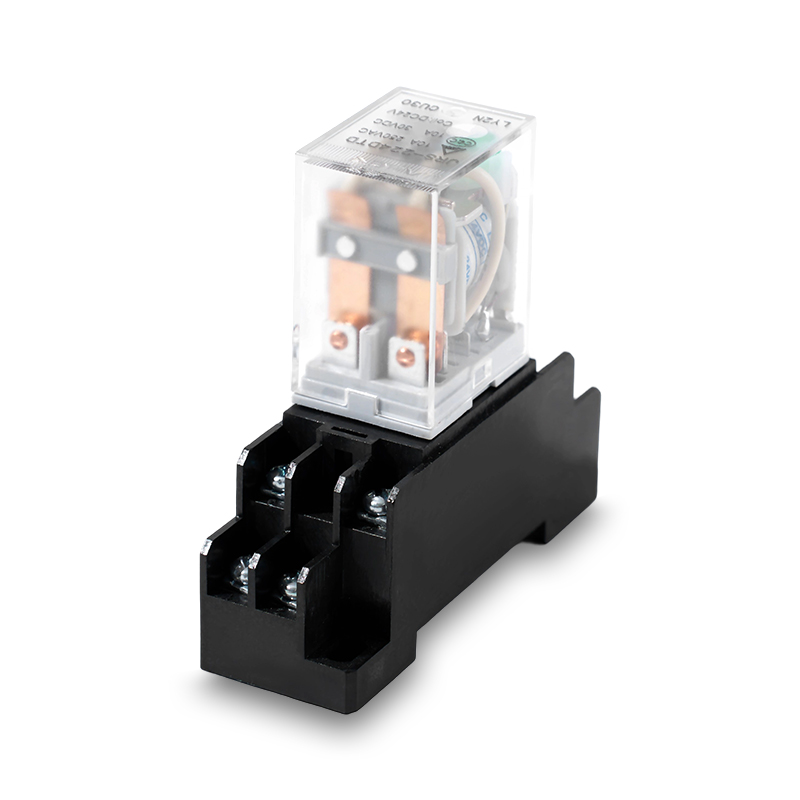
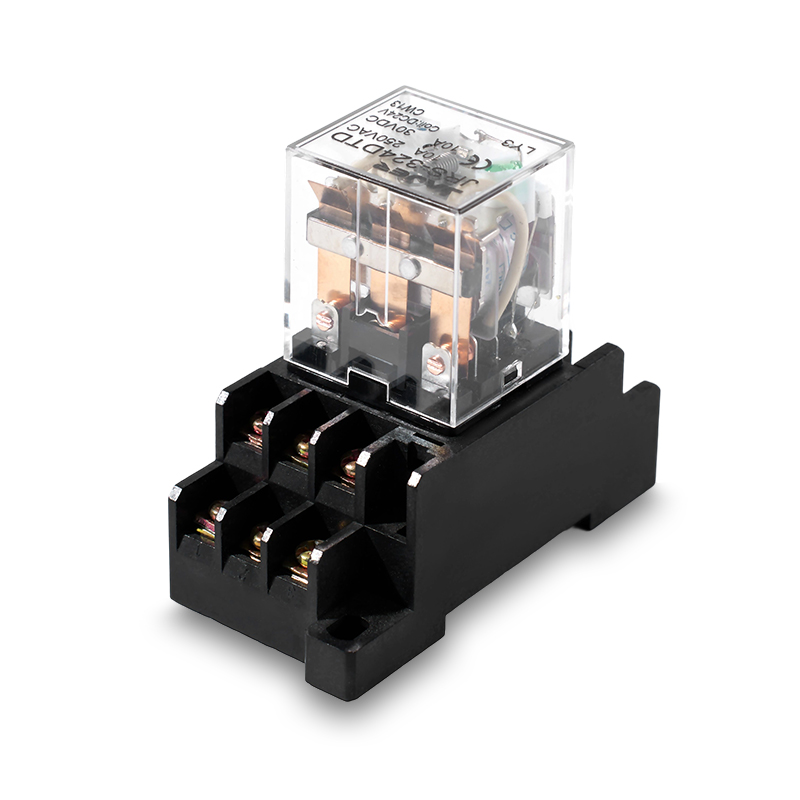
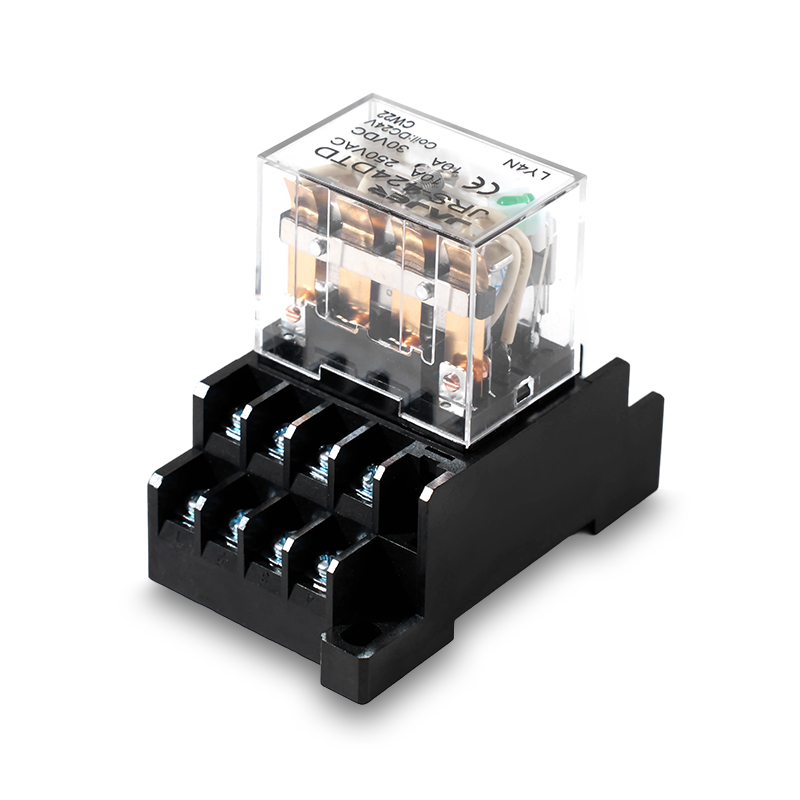
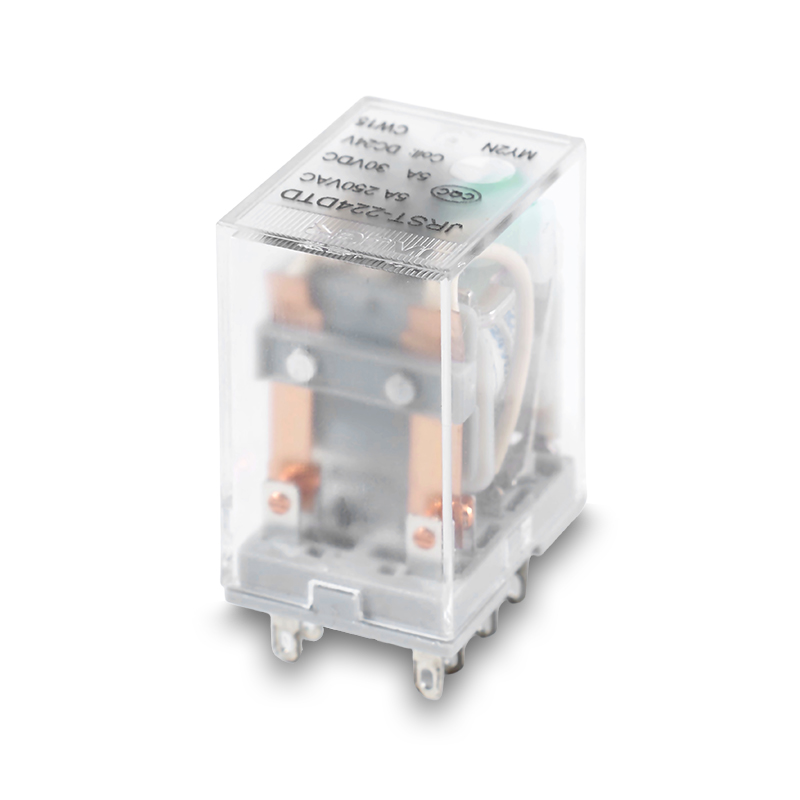
Placement matters more than many designers realize when it comes to Automotive PCB Relay performance. Relays are fundamental electrical switches on a printed circuit board, but their behavior is not only about choosing the right part number — how and where you place them on the board can influence noise, heat, vibration response, and overall reliability.
Users and engineering teams often raise questions such as “why does my relay behave differently after redesigning the PCB?” or “can moving a relay 5 mm on a layout actually change overall performance?” The answer is yes — placement directly affects performance through electrical and environmental interactions with surrounding components and the board itself.
Relay Interaction With Other Components and Signals
The electromagnetic switching action inside a PCB Power Relay generates transient noise and electromagnetic interference (EMI) each time the relay changes states. If a relay is placed too close to sensitive signal lines or microcontroller circuits, these transient events can couple into nearby traces.
Designers recommend locating relays away from semiconductors and sensitive signal devices to reduce interference effects. This physical separation helps avoid unintended crosstalk or spurious triggering in adjacent circuits.
Relays also produce magnetic fields when energized, so keeping them isolated from high-frequency signal paths or sensitive analog circuits reduces noise coupling. This leads to better signal integrity and controller stability.
Overall, strategic placement and routing around relays help ensure that switching noise does not degrade electronic performance.
Thermal and Heat Dissipation Considerations
Every Automotive PCB Relay and PCB Power Relay generates a certain amount of heat due to contact resistance and coil power dissipation, especially under high current or frequent switching. Poor placement — such as clustering relays near other high-heat components like power regulators or MOSFETs — can raise local temperatures and reduce reliability.
A well-planned layout allocates space for heat dissipation and avoids placing relays close to major heat sources.
Designers sometimes add thermal vias, copper planes, or spacing around relay pads to reduce local heat buildup and improve board cooling.
In high-temperature conditions, improper placement increases stress on the relay and surrounding circuits, potentially shortening service life.
Board Integrity and Physical Stress
In automotive environments, PCBs must withstand vibrations, mechanical shock, and thermal expansion. Rigid placement and proper mounting support near heavy relays ensure robust solder joints and mechanical stability. If a relay is placed near board edges without anchoring or reinforcement, the board may flex during vibration, leading to solder cracks or intermittent connections.
Relay mounting can also be optimized with stiffeners or reinforced sections of the PCB to resist bending.
Vibration-induced mechanical stress can be minimized by situating relays closer to structural supports or reinforcing heavier sections of the board.
Good mechanical placement reduces failure modes associated with vibration and shock.
Clearing Space and Routing High-Current Paths
Relays often handle higher currents than other components on the board. Placement should support efficient trace routing, minimizing trace length and avoiding ineffective trace loops that would create excessive resistance or inductance.
Wider and properly isolated traces for high-current paths around relays help reduce voltage drop and reduce stray heating.
High-current paths should be routed with clear separation from low-power logic and signal traces to avoid coupling or interference.
Planning placement in this way also simplifies manufacturing and reduces waste area on the PCB.
Practical Tips for Reliable Relay Placement
Based on real field concerns and PCB design practices, here are concise placement guidelines to improve performance and reliability:
Maintain Clearances: Keep adequate space between relays and sensitive components to reduce noise and heat coupling.
Consider Thermal Paths: Avoid placing relays near heat-sensitive devices or tightly clustered high-current parts.
Support Mechanically: Place relays near mounting points or board reinforcements to withstand vibration and shock.
Separate Signal and Power Areas: High-power switching areas should be isolated from low-voltage logic to maintain signal quality and reduce crosstalk.
Follow Relay Datasheets: Manufacturer-recommended pad layouts and orientations help preserve electrical and mechanical performance.
Relays play a critical role in automotive and industrial power designs, but their effectiveness depends heavily on how they are integrated into the PCB environment. thoughtful placement that accounts for electromagnetic, thermal, and mechanical influences not only improves performance today but also enhances long-term reliability.
Understanding the impact of placement on Automotive PCB Relay and PCB Power Relay systems enables designers to build robust, efficient, and field-ready products with fewer failures and better customer satisfaction.




 English
 русский
 Español