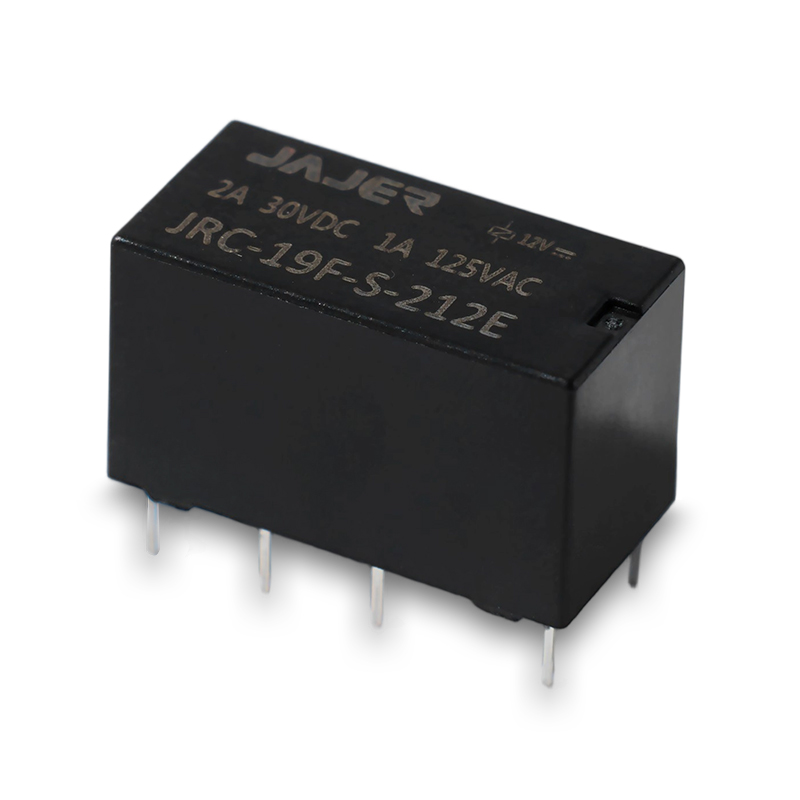
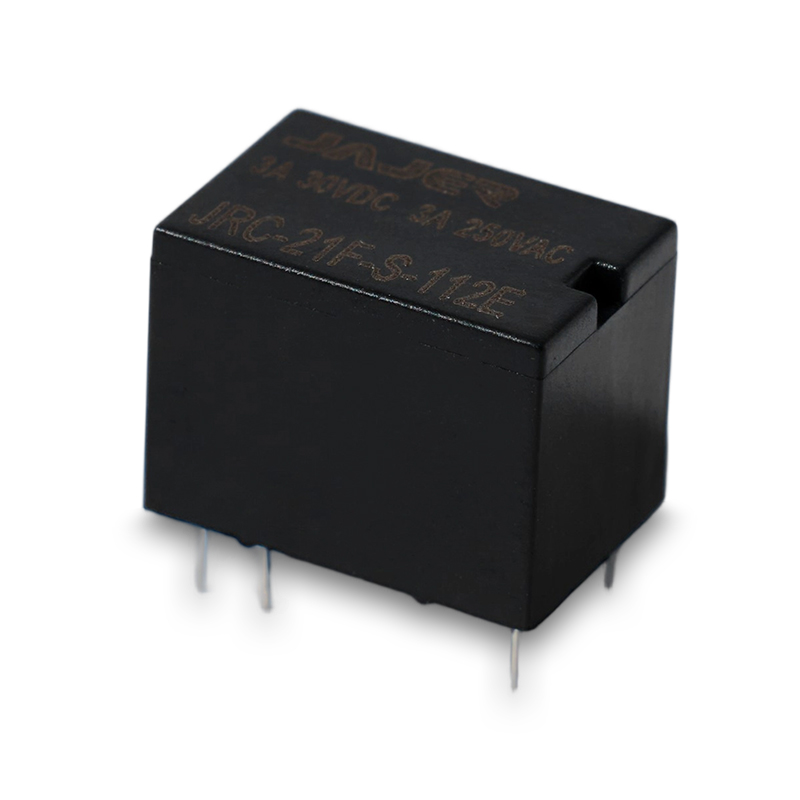
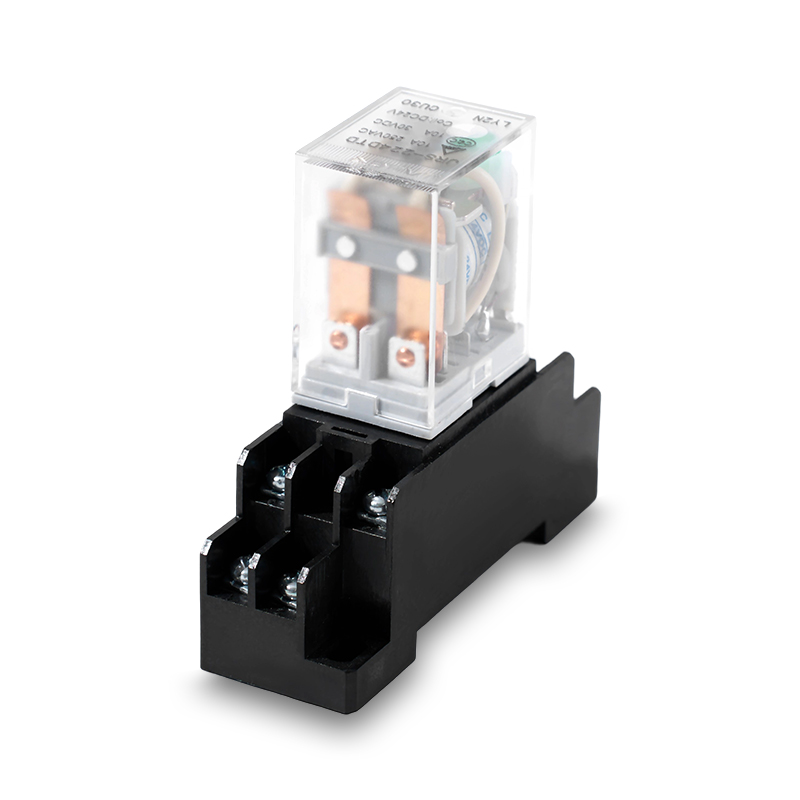
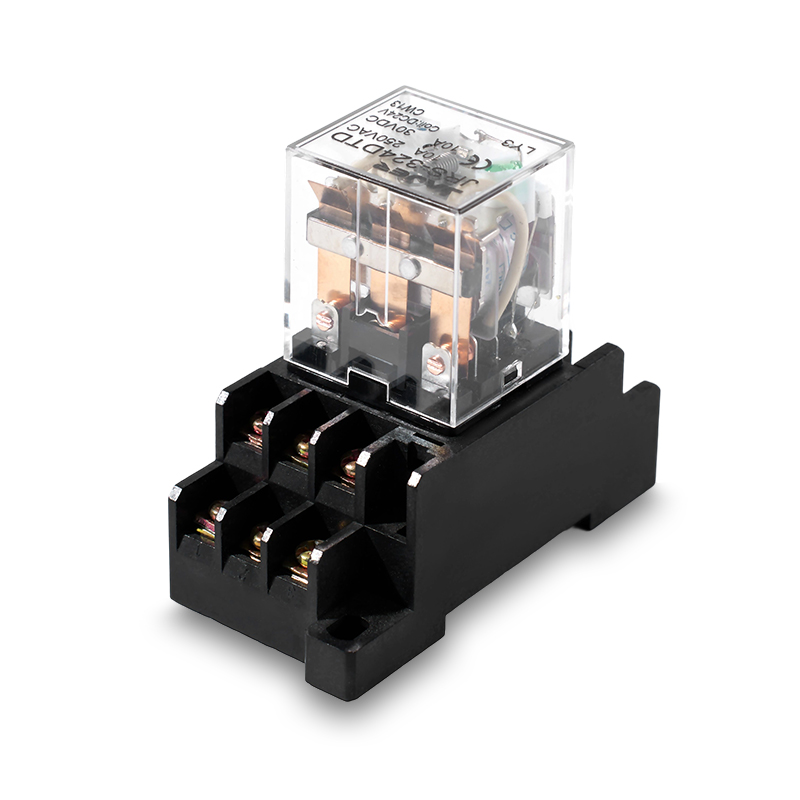
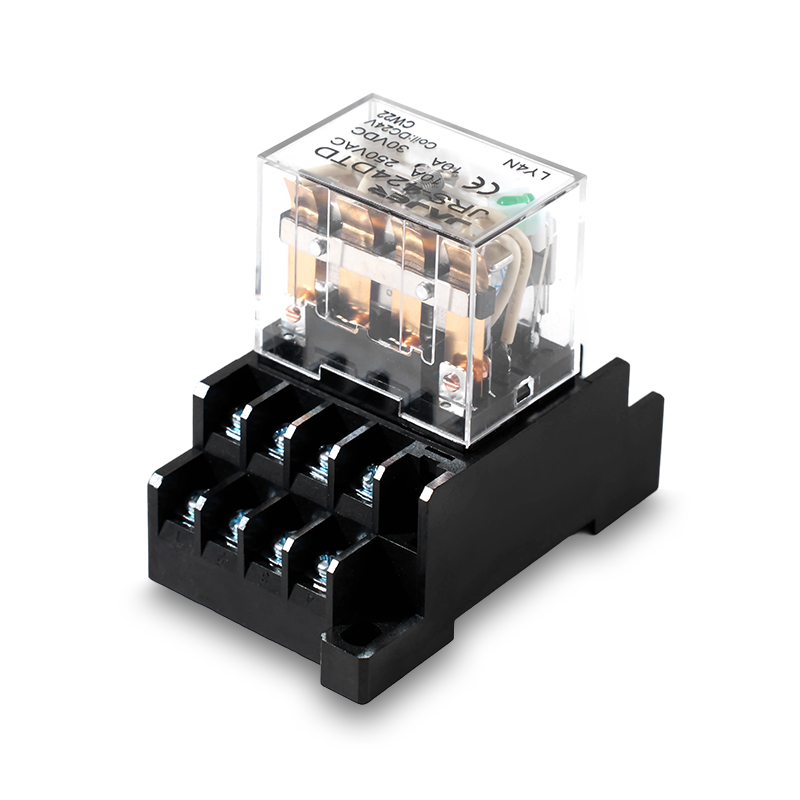
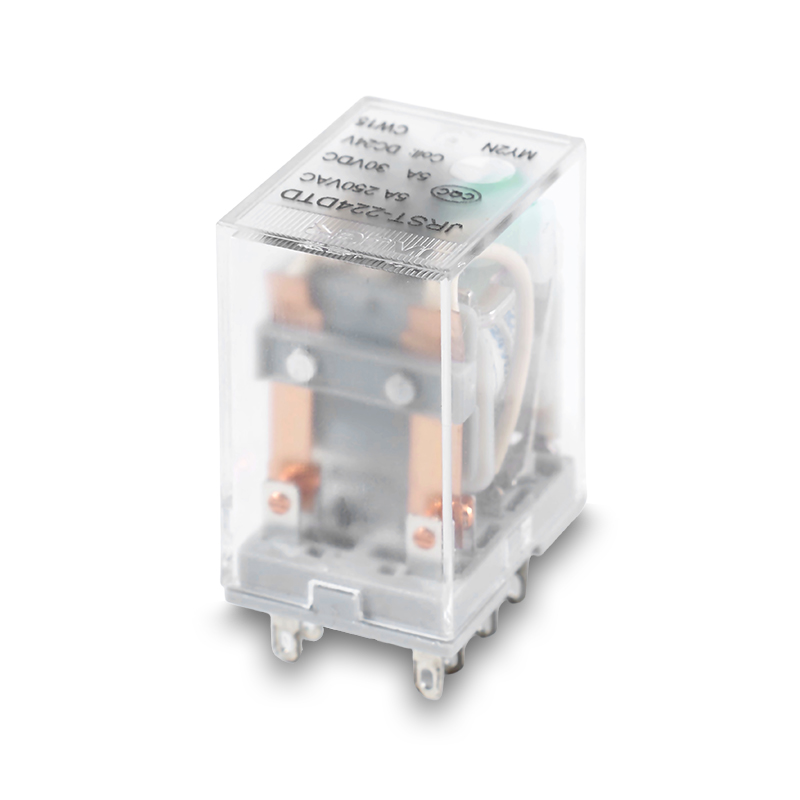
Many engineers and technicians encounter puzzling issues with Automotive PCB Relay circuits during installation, maintenance, or system debugging. Users often ask about flickering device behavior, intermittent power delivery, or relays not switching as expected. Understanding reliable troubleshooting tips can accelerate fault identification and resolution — saving time and reducing unplanned field failures.
In systems where relays act as power switching elements, such as automotive control modules or industrial servo drives, common relay troubles may stem from connection problems, incorrect soldering, or relay contact wear. Rather than immediately replacing parts with uncertainty, systematic troubleshooting methods help pinpoint root causes and improve long-term reliability.
Start With Visual and Physical Inspection
One of the initial steps in examining a PCB Power Relay issue is to visually inspect the board and relay installation. Poor solder joints, cracked terminals, or bent pins can interrupt electrical continuity. Ensuring a solid mechanical and electrical connection is essential because loose or weak joints often lead to intermittent relay behavior. For example, physical inspection might reveal:
Bent or misaligned relay pins.
Cold solder joints that appear dull or crumbly.
Solder bridges between adjacent pads that could short circuit traces.
Fixing such assembly issues early can prevent deeper circuit problems and save hours of trial-and-error debugging.
Use a Multimeter to Test Continuity and Coil Function
Testing the relay’s coil and contacts with a multimeter is a straightforward and powerful method. The initial step typically involves measuring coil resistance. A functional relay coil should show a specific resistance within the range expected from the datasheet. An open circuit (infinite resistance) or very low resistance (shorted coil) points to a defective relay.
Next, check the static contacts:
Connect the multimeter between the Normally Open (NO) and Common (COM) terminals.
• With no power applied to the relay coil, this should read as an open circuit.
• When the coil is energized, continuity should be present, indicating that the contact switched correctly.
Similarly, test the Normally Closed (NC) contacts to ensure they behave as expected.
This quick check helps distinguish whether the issue lies in the relay itself or elsewhere in the circuit.
Measure the Operating Voltage
Another common troubleshooting step with Automotive PCB Relay systems involves measuring the provided voltage to the relay coil and its control circuit. Ensure that the relay is receiving the correct rated drive voltage. In many cases, a relay that doesn’t actuate properly receives too low or too high voltage, which prevents reliable switching and may cause chattering or failure to close. Using a digital multimeter or oscilloscope to verify voltage levels relative to specifications can quickly eliminate power supply issues as the root cause.
Watch for Contact Wear and Arcing
Over time, relay contacts can wear due to repeated switching cycles and high current loads. Contact pitting or material degradation increases resistance at the switching interface, leading to poor current flow and unreliable operation. Visually inspect the contact surface if the relay is removable, or listen for abnormal buzzing or arcing sounds when the relay operates. These are classic signs of contact wear.
Using contact cleaners or replacing worn relays is often necessary to restore proper performance. Regular maintenance schedules that include contact checks can reduce unexpected failures in critical systems.
Clean and Protect Against Environmental Contamination
Dust, debris, and moisture accumulation can negatively affect the electromagnetic coil and contact surfaces of relays. Contaminants inside the relay enclosure or on the board can disrupt the magnetic field and prevent proper actuation, especially in automotive or outdoor environments. Cleaning the relay and surrounding PCB area with electronics-safe cleaner and ensuring good enclosure sealing helps maintain performance.
Applying conformal coating to PCBs in harsh environments also reduces the risk of corrosion and leakage paths that complicate troubleshooting.
Thermal and Load Verification
While troubleshooting individual components, also consider the overall thermal and electrical load conditions around the relay. Heat buildup around a PCB Power Relay can degrade coil resistance and contact reliability, and high load currents can produce excess heat that accelerates wear. Confirm that the current drawn by the load falls within the relay’s rated capacity, and check for hotspots or discoloration on the PCB that may indicate overheating. Regular thermal profiling of the circuit under actual load can highlight stress points before they develop into failures.
Record and Compare Data
Good troubleshooting often involves logging test results and comparing them with reference or expected values. Creating a maintenance log for Automotive PCB Relay systems with measurements like resistance, voltage, and temperature over time reveals trends that point to looming issues. This proactive approach enables technicians to intervene before catastrophic failures occur.
By following structured troubleshooting tips — from visual inspection to detailed electrical tests — technicians and engineers can diagnose PCB Power Relay and Automotive PCB Relay problems more effectively. These methods reduce guesswork, help address real issues systematically, and support durable field performance. Regular monitoring and preventive maintenance not only prolong relay life but also improve the reliability of the entire system.




 English
 русский
 Español