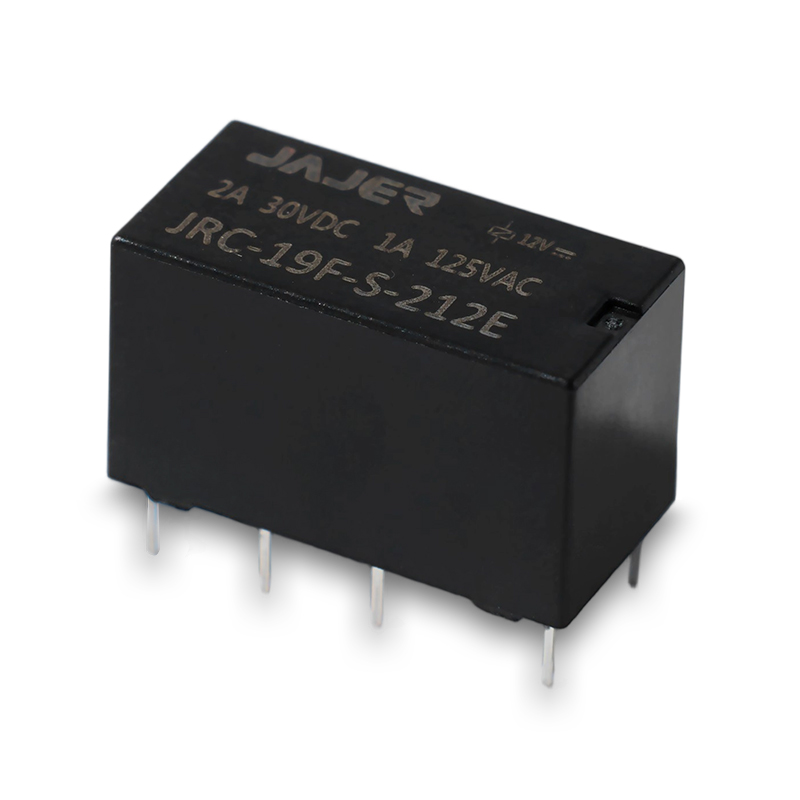
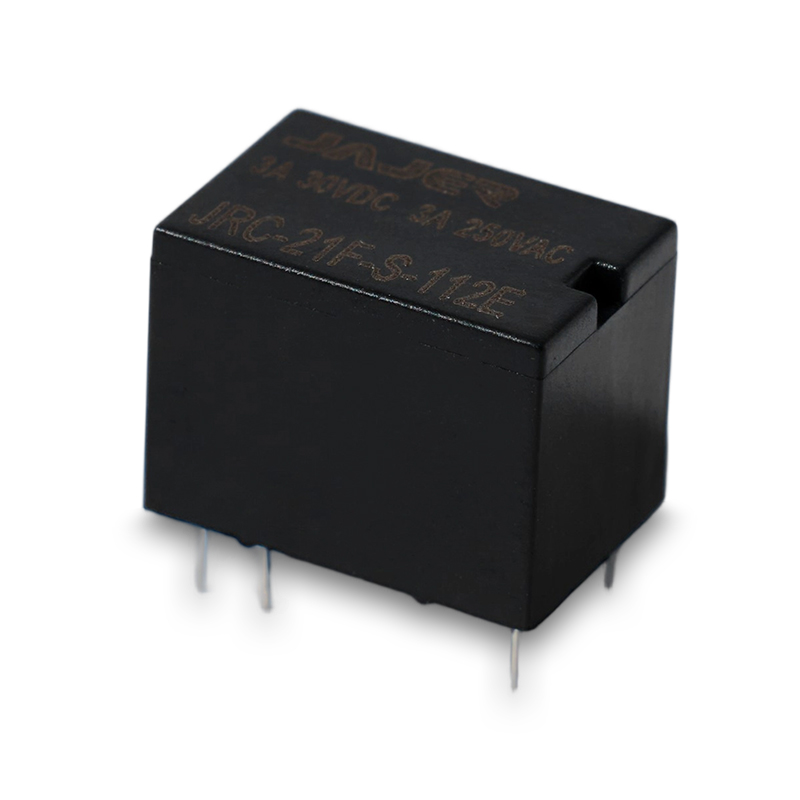
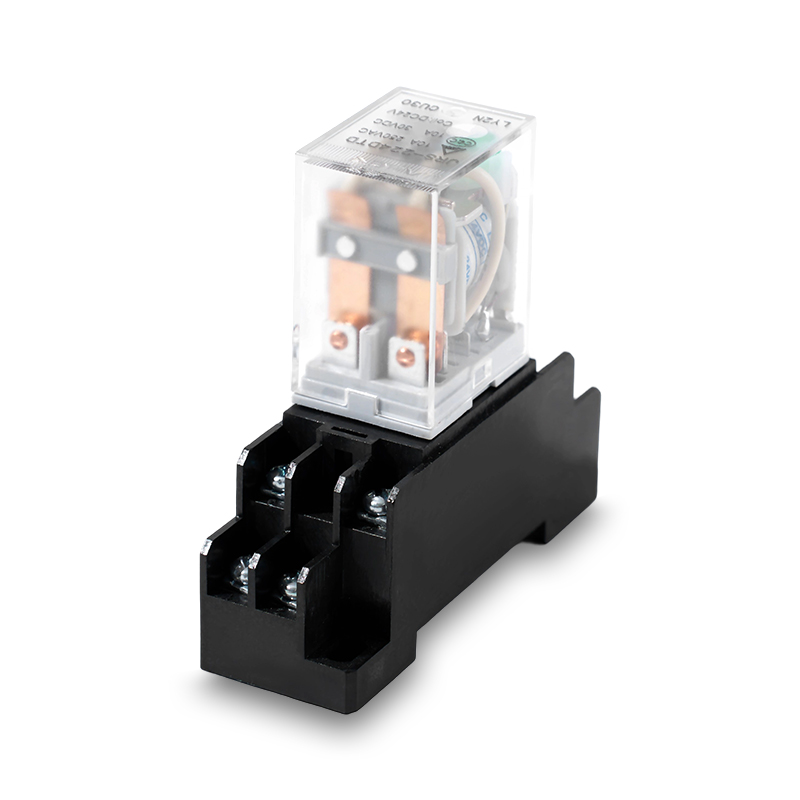
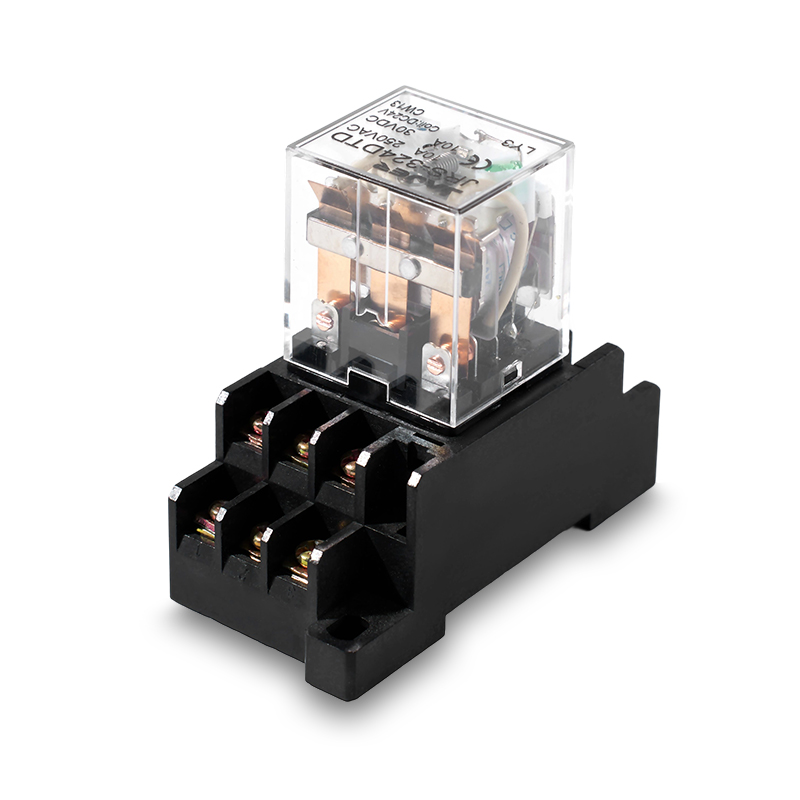
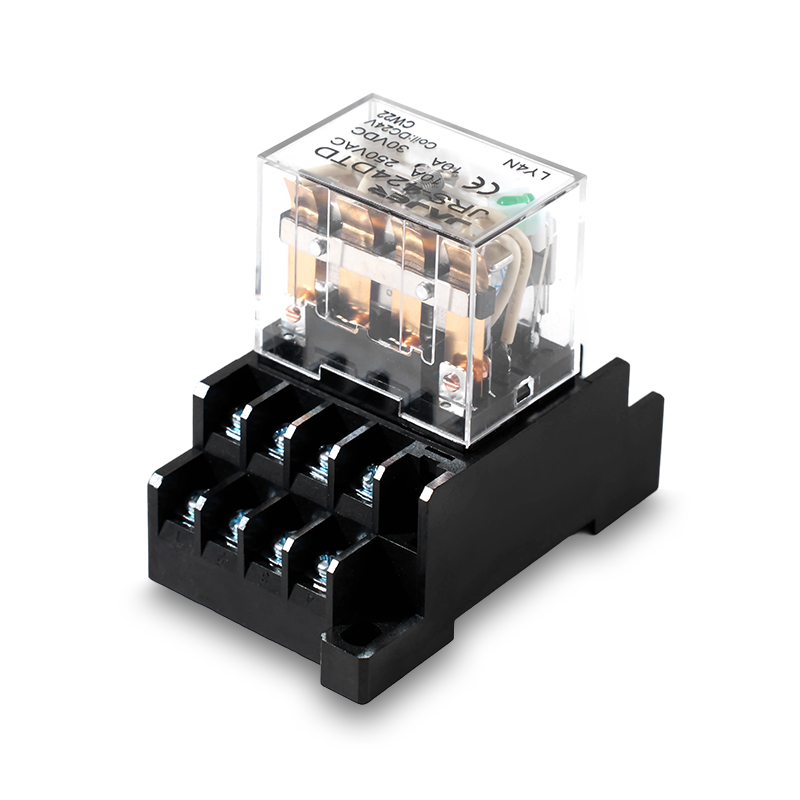
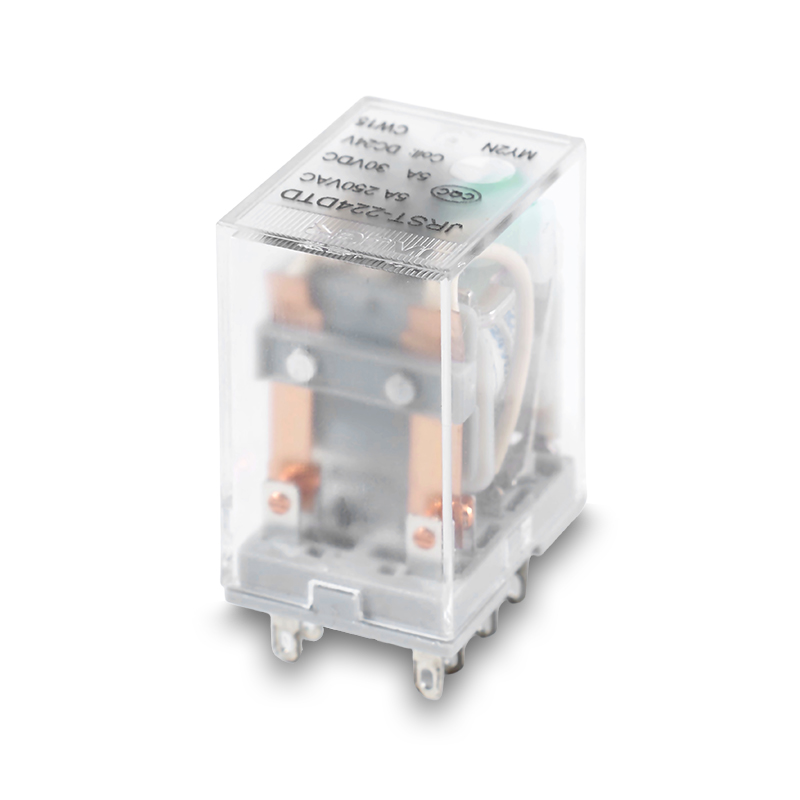
Implementing micro relay socket maintenance tips alongside proper use of miniature overload relays is crucial for achieving long-term reliability in electrical systems. Regular inspection, cleaning, functional testing, and lifecycle management significantly reduce the risk of failures, extend component life, and maintain safe operation. By following these practices and using high-quality components from trusted suppliers like Wenzhou Jiajie Electric Co., Ltd., engineers and technicians can ensure that their circuits remain reliable, efficient, and safe over time.
Visual inspections are the initial step in preventive maintenance. Key points include:
Check for Discoloration or Burn Marks: Indications of overheating or overcurrent conditions.
Inspect Terminals: Look for loose screws, corrosion, or signs of wear on contacts.
Socket Condition: Ensure the plastic housing is intact without cracks or deformation.
Regular visual checks allow early detection of potential failures, preventing costly downtime.
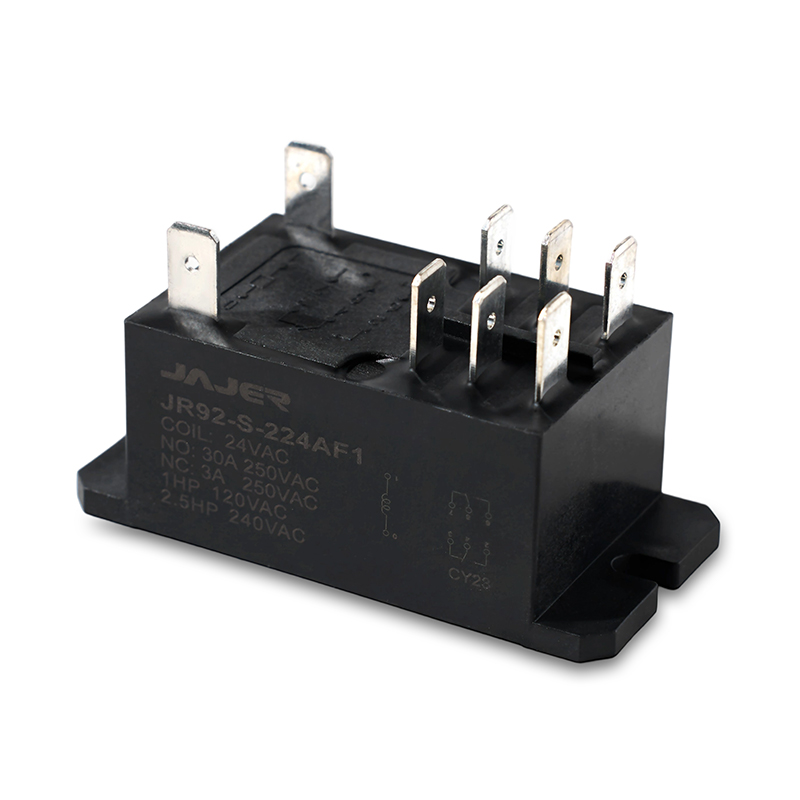
Dust and debris can interfere with electrical contacts and reduce conductivity:
Compressed Air: Use a clean, dry air source to remove dust from the socket and relay pins.
Non-Corrosive Cleaning Agents: For more stubborn dirt or oxidation, use approved electrical contact cleaners.
Avoid Moisture: Never use water or alcohol-based cleaners that can damage insulation or components.
Proper cleaning ensures stable electrical contact and prevents premature relay or socket failure.
Loose or poor connections are a common cause of relay failure:
Tighten Terminals: Use the recommended torque for screw terminals to avoid loose connections.
Verify Wire Gauge: Ensure wires match the rated capacity of the micro relay socket and miniature overload relay.
Inspect Solder Joints (if applicable): Cracked or cold solder joints can cause intermittent operation.
Maintaining solid electrical connections reduces resistance, heat generation, and energy loss.
Environmental and operational factors impact socket longevity:
Temperature Monitoring: Excessive heat can warp the socket or degrade insulation.
Humidity Control: High moisture levels can cause corrosion; consider protective enclosures.
Load Verification: Ensure the connected load does not exceed relay or socket ratings, including surge currents.
Monitoring conditions helps identify issues before they result in component failure.
Testing relay operation ensures both the relay and socket are functioning correctly:
Trip Tests: For miniature overload relays, simulate overload conditions to confirm correct operation.
Continuity Checks: Ensure micro relay sockets provide stable contact across all pins.
Cycle Testing: Operate relays through multiple switching cycles to verify reliability under repeated use.
Functional testing detects hidden issues that may not be visible during inspection.
Even with proper maintenance, relays and sockets have finite lifespans:
Scheduled Replacement: Follow manufacturer guidelines for expected operational cycles.
Use Genuine Components: Replace with certified miniature overload relays and micro relay sockets from trusted manufacturers like Wenzhou Jiajie Electric Co., Ltd.
Document Maintenance: Maintain records of inspections, tests, and replacements to improve future system reliability.
Managing the lifecycle ensures long-term safety and minimizes unexpected system downtime.
Regular maintenance and care provide multiple benefits:
Improved System Reliability: Reduced risk of failures and operational interruptions.
Extended Component Lifespan: Delays aging and reduces the frequency of replacements.
Enhanced Safety: Prevents overheating, short circuits, and electrical hazards.
Cost Savings: Fewer unexpected failures mean lower maintenance costs over time.
By investing in proper maintenance practices, users ensure that micro relay sockets and miniature overload relays operate effectively for years.
Quick Contact
Yueshang Innovation Park, Wengyang Street, Yueqing City, Zhejiang, China
Pages
Products
Stay In Touch
If you have any questions or need help, feel free to contact with our team.

Power distribution electromagnetic relay manufacturers



 English
 русский
 Español