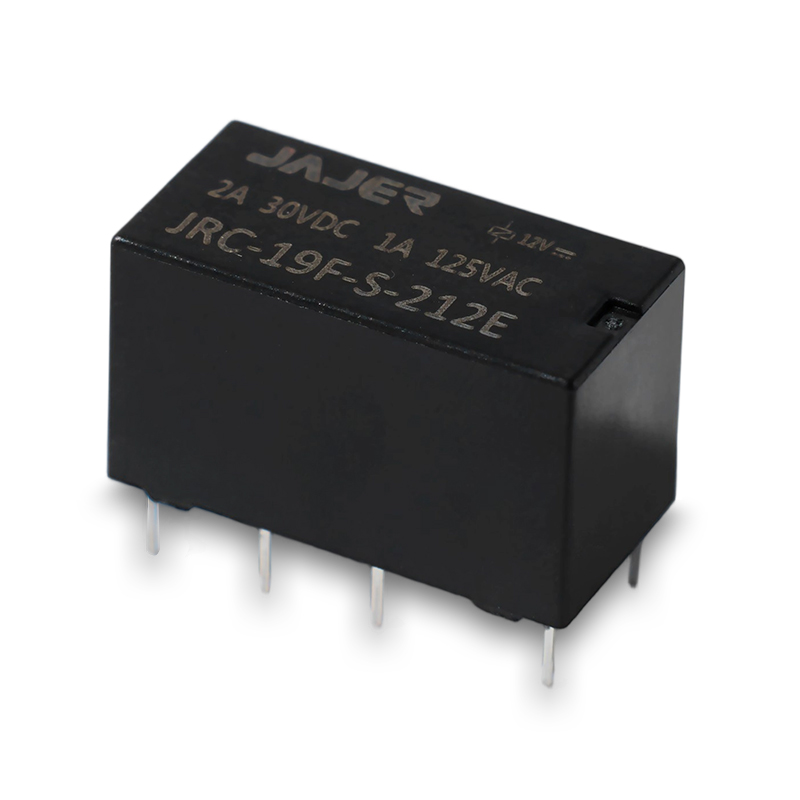
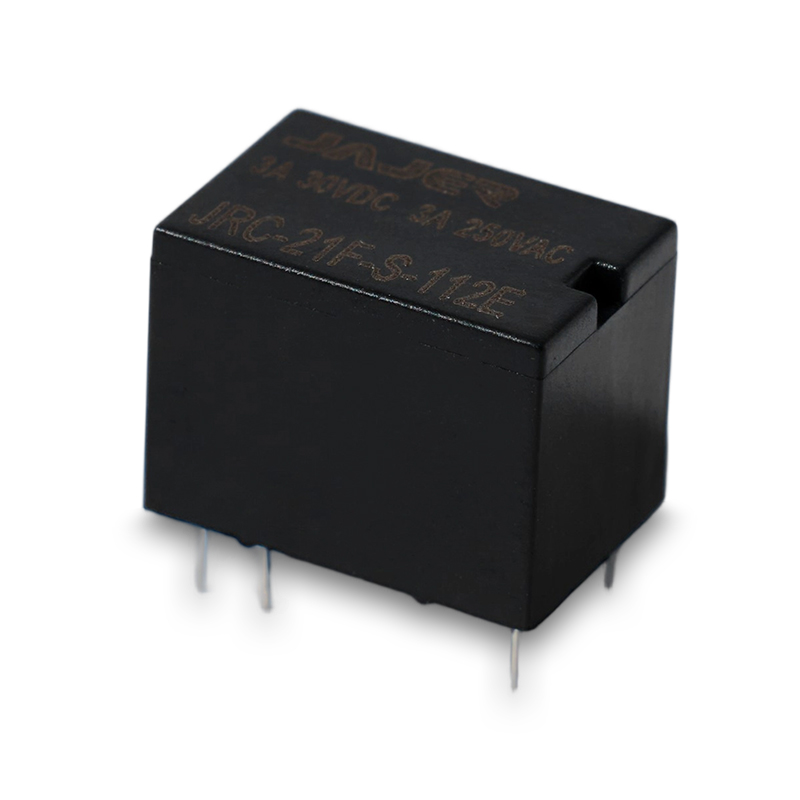
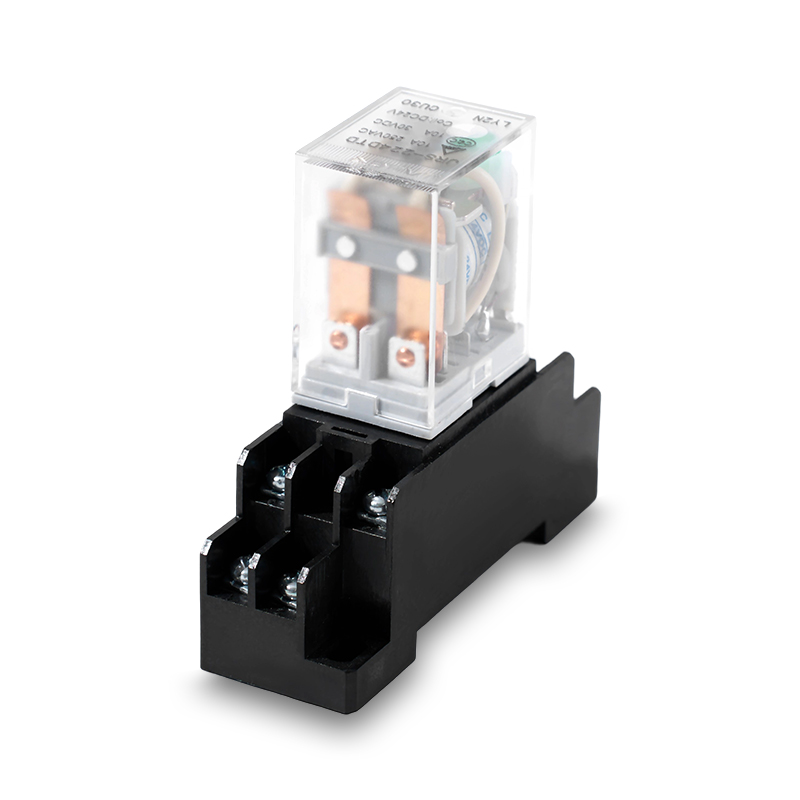
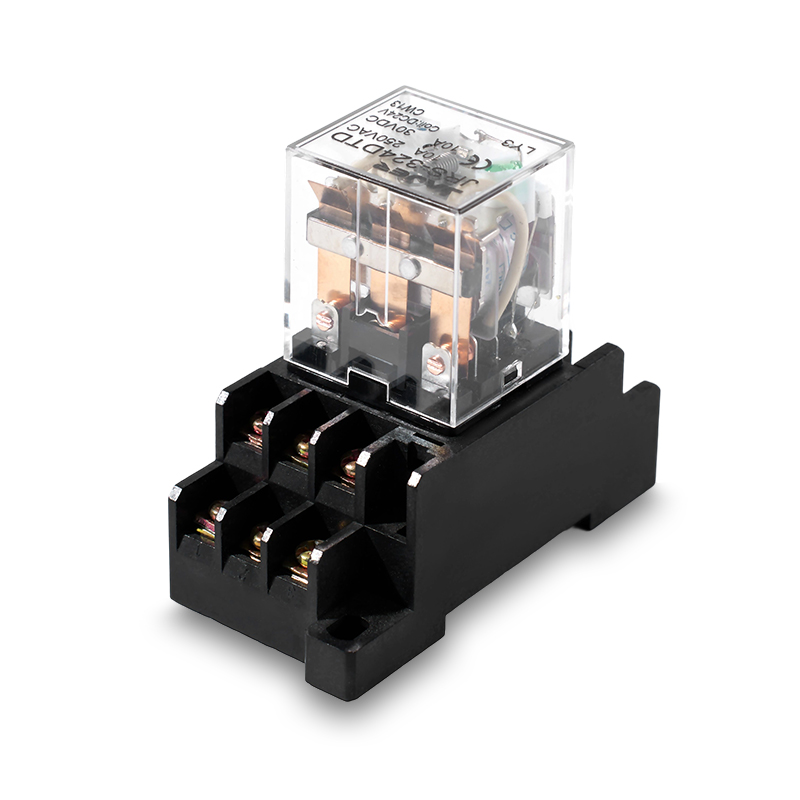
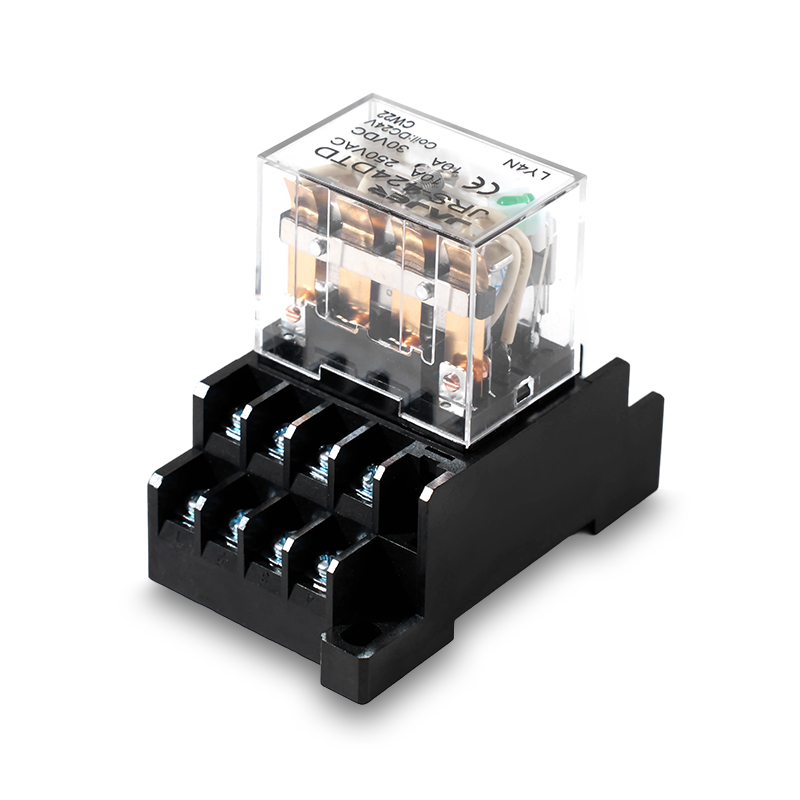
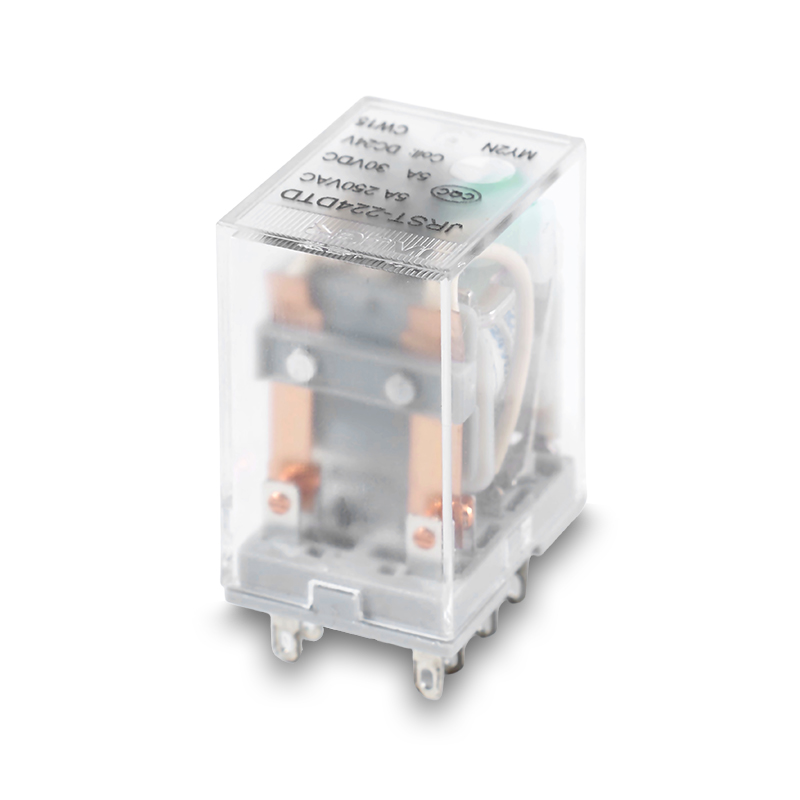
When designing electrical control systems, engineers often face a key decision: whether to rely solely on micro relay sockets combined with miniature overload relays, or to integrate additional overcurrent protection devices such as circuit breakers or fuses. Both approaches aim to protect circuits and connected equipment, but understanding their strengths, limitations, and appropriate use cases is essential for reliable operation. Wenzhou Jiajie Electric Co., Ltd., a professional relay manufacturer, highlights practical considerations to help optimize protection strategies.
Before comparing, it is important to clarify what each device does:
Micro Relay Socket: A mechanical interface for relays that allows easy installation, replacement, and electrical connection. It does not inherently interrupt overcurrent but supports relay operation.
Miniature Overload Relay: Detects overcurrent conditions, particularly in motor circuits, and disconnects power to prevent damage.
Other Overcurrent Devices: Circuit breakers and fuses automatically interrupt current flow when it exceeds a rated threshold, offering immediate protection.
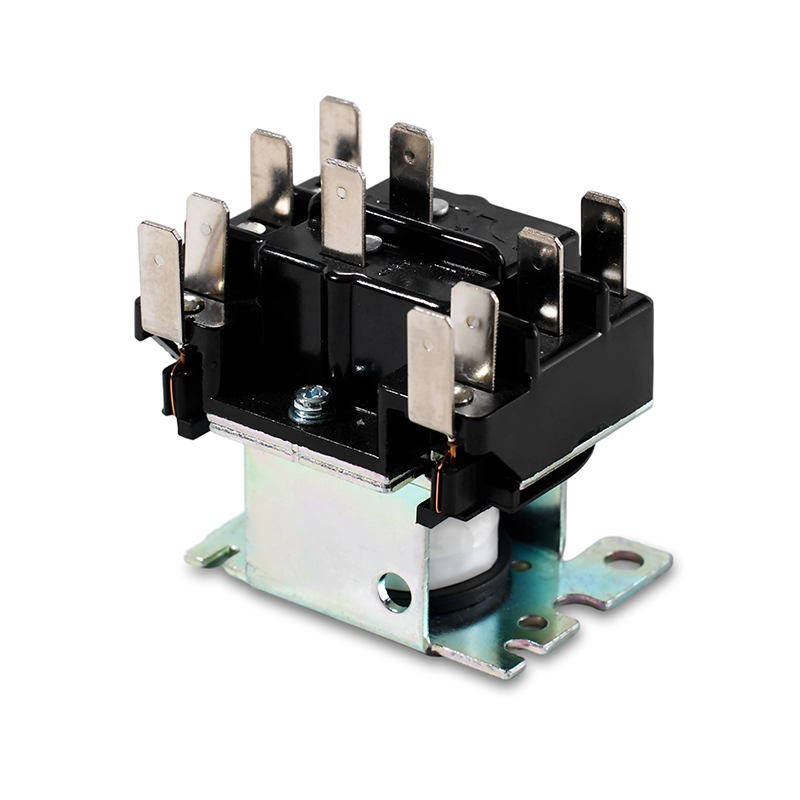
The main difference between relay-based systems and overcurrent devices lies in how and when protection is applied:
Response Time: Fuses and breakers generally react almost instantly to short-circuits, whereas overload relays respond according to thermal or electronic delay settings.
Reusability: Circuit breakers and relays can be reset after operation, while fuses need replacement after a trip.
Integration: Micro relay sockets allow relays to be modularly integrated into control circuits, enabling automated switching alongside overload protection.
Choosing between micro relay sockets with relays or traditional overcurrent devices depends on application needs:
Motor Control Systems: Miniature overload relays combined with micro relay sockets provide tailored protection, allowing thermal characteristics to match motor type and load.
Industrial Automation: Relays installed via micro relay sockets can perform switching and control logic while providing optional overload protection.
Simple Circuits: For circuits with minimal control logic, fuses or standard breakers may suffice.
Complex Systems: When both protection and control are needed, relay-based solutions offer more flexibility than standalone breakers.
Advantages of Using Micro Relay Socket + Relay:
Modular design for easy replacement and maintenance.
Supports multiple load types with adjustable trip settings.
Can integrate control logic with protection in one assembly.
Disadvantages:
Slower response to immediate short circuits compared to fuses or breakers.
Requires careful selection of relay type and socket compatibility.
Installation mistakes can reduce effectiveness, emphasizing the need for proper guidelines.
Advantages of Traditional Overcurrent Devices:
Immediate reaction to overload and short-circuit events.
Simple installation and minimal setup required.
Well-suited for purely protective applications.
Disadvantages:
Limited control flexibility.
Replacing fuses can be inconvenient in complex systems.
Cannot be easily integrated with control logic without additional components.
In many applications, combining miniature overload relays installed via micro relay sockets with circuit breakers provides comprehensive protection:
Primary Protection: Circuit breakers handle sudden short-circuits.
Secondary Protection: Miniature overload relays provide a delayed response for thermal overloads.
Maintenance Advantage: Relays mounted on sockets are easy to replace without disturbing breaker wiring.
System Reliability: Layered protection reduces equipment damage and downtime.
Using high-quality products from Wenzhou Jiajie Electric Co., Ltd. ensures reliable operation and compatibility between relays, sockets, and other overcurrent devices.
Relays provide flexibility, integration, and adjustable overload protection, while breakers and fuses offer immediate, simple protection. Understanding the operational differences and combining these components intelligently allows engineers to design systems that are both safe and functional. Proper selection, installation, and maintenance are key to achieving good circuit protection in industrial, commercial, and consumer applications.
Quick Contact
Yueshang Innovation Park, Wengyang Street, Yueqing City, Zhejiang, China
Pages
Products
Stay In Touch
If you have any questions or need help, feel free to contact with our team.

Power distribution electromagnetic relay manufacturers



 English
 русский
 Español