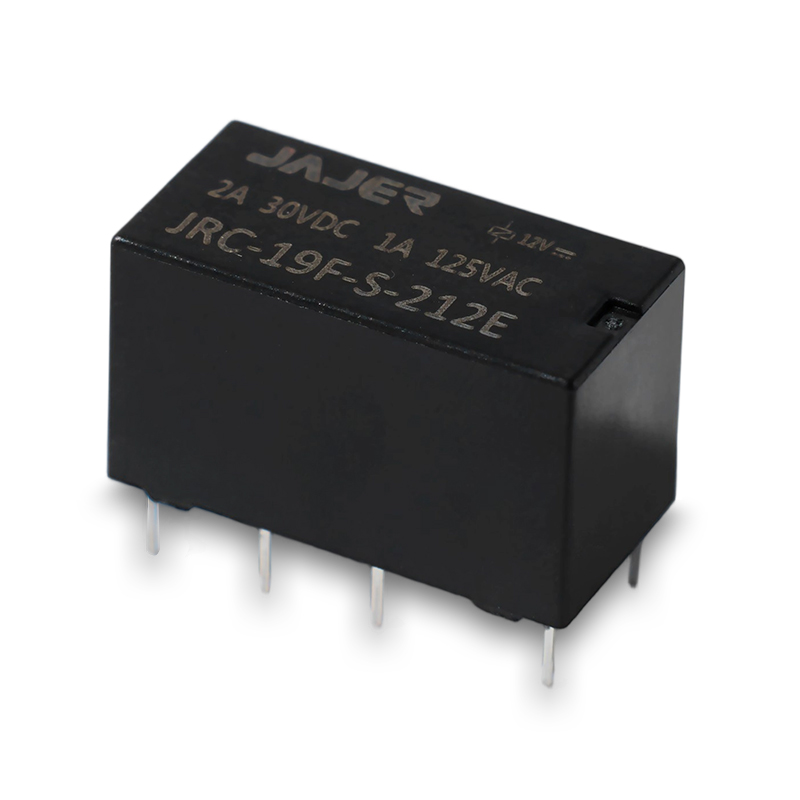
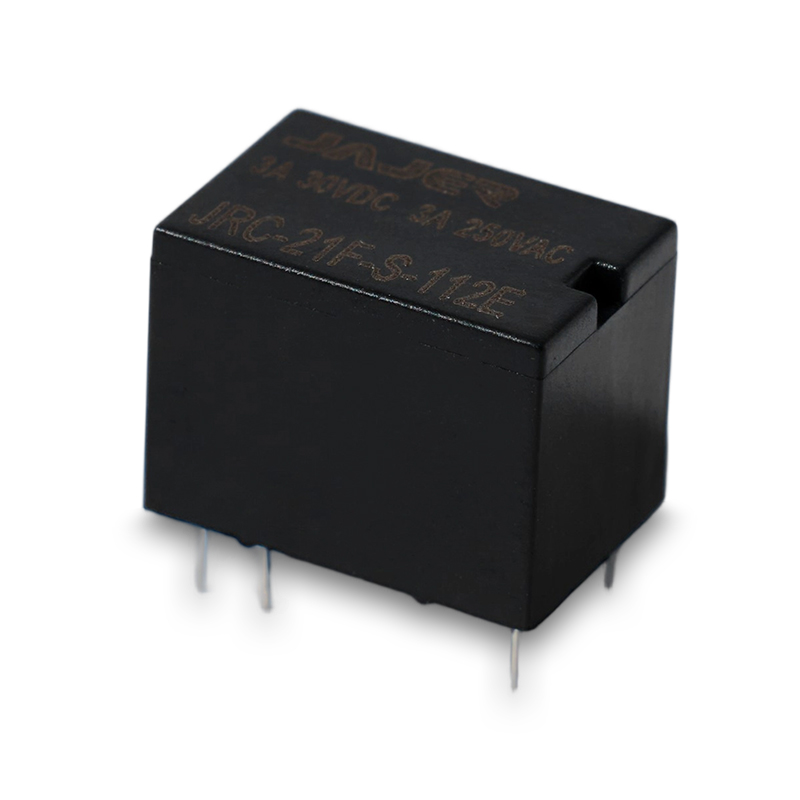
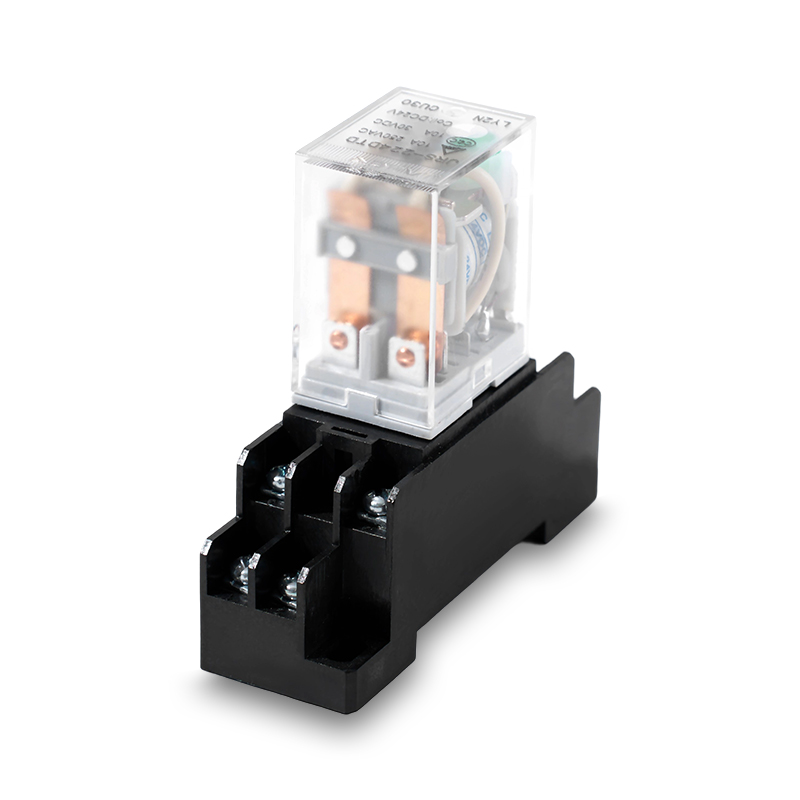
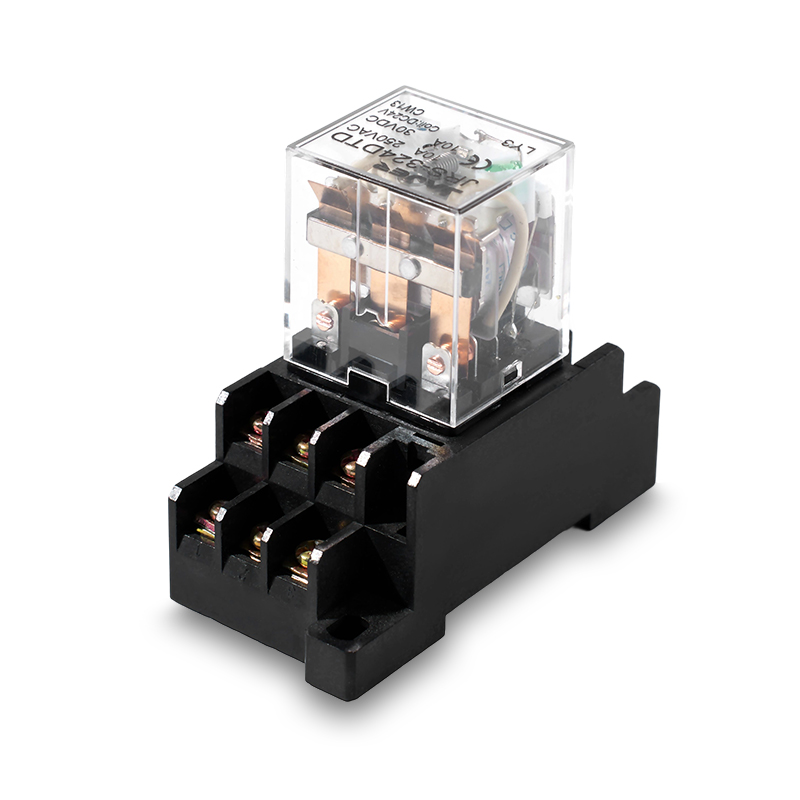
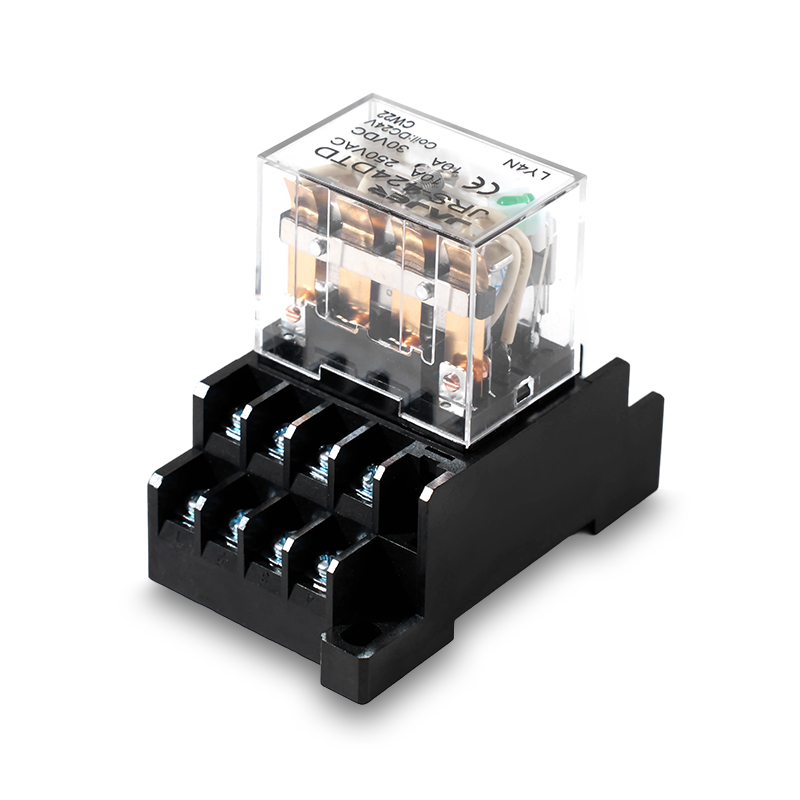
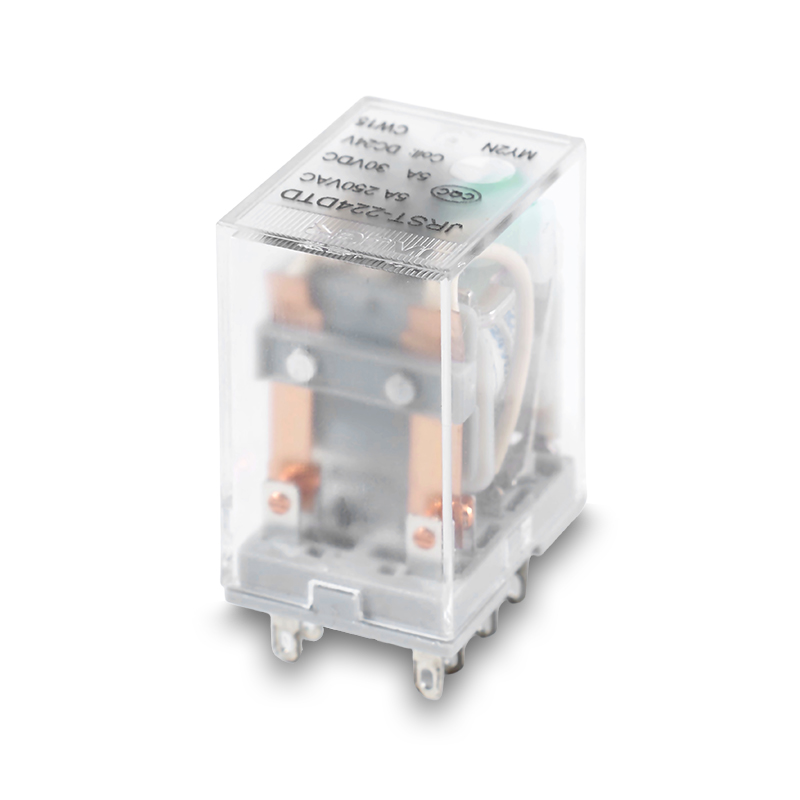
Small electrical components like the HVAC Control Relay and the HVAC Relay Module play a central role in ensuring your heating, ventilation, and air conditioning system operates smoothly. These relays act as electrically-controlled switches that allow low-voltage signals from a thermostat or control board to power larger system components such as blowers, compressors, or fan motors. When the relay doesn’t activate as expected, the system may fail to start or behave unpredictably, leaving users searching forums and tech guides for answers.
At Wenzhou Jiajie Electric Co., Ltd., we understand technicians and HVAC users frequently encounter relay activation issues, and we’ll break down why this happens and what to check.
Common Reasons Relays Don’t Activate
Contact Wear and Coil Failure
HVAC relays have internal contacts and an electromagnetic coil. When these contacts become worn or pitted over time, they may not close reliably, preventing current from flowing through the circuit. In other cases, the coil windings themselves can burn out or develop an open circuit, meaning the relay will not pull in even when commanded.
Incorrect Voltage at the Relay Coil
A low or missing control signal can keep the relay from activating. In more residential HVAC systems, the thermostat sends a 24VAC signal to the coil on a control relay. If this voltage is weak due to transformer issues, blown fuses, or damaged wiring, the relay coil cannot energize, so the switch never closes. Technicians commonly find this during diagnostic checks with a multimeter.
Loose or Corroded Connections
Over time, connectors feeding a relay can loosen or corrode due to vibration, moisture, or thermal cycling in the air handler or outdoor unit. Even a small increase in resistance at a terminal can reduce coil energization and contribute to intermittent activation. Checking and cleaning connections during maintenance can help avoid these symptoms.
Short Circuits or Overloads
Electrical overloads or short circuits in the control circuit can prevent proper relay activation. If the relay tries to energize but repeatedly trips a fuse or breaker, the system will stop the activation to protect itself. External shorts in wiring harnesses are a common culprit that HVAC professionals trace during repair.
Signs You Have an Activation Issue
End users often describe specific behaviors that suggest a relay isn’t engaging correctly:
- No blower or compressor start when the thermostat calls for heating or cooling.
- Buzzing or clicking sounds from the relay area without actual activation of system components.
- Fan runs continuously or won’t start at all even though power is present.
- System cycles on and off erratically because the relay contacts are inconsistent.
These issues indicate the relay is not reliably closing the circuit required to power major system parts.
How Technicians Diagnose Activation Problems
Professional HVAC techs use a systematic approach:
- Measure control voltage at the relay coil with a multimeter to confirm 24VAC is reaching the component.
- Check continuity through relay contacts to ensure the switch portion functions.
- Inspect wiring and connectors for signs of corrosion, looseness, or insulation damage.
- Test the relay under load conditions to verify it functions as intended when energized.
Correct diagnosis helps reduce unnecessary component replacements and pinpoint whether the issue is truly the relay or something upstream in the control system.
Recommendations for HVAC Owners
Regular maintenance and visual inspection of HVAC relay components help catch activation problems early. During preventive checks, look for:
- Burnt or discolored relay housings
- Loose terminal screws
- Age-related wear on control boards
- Moisture accumulation in the electrical compartment
These visible signs often precede relay activation failures.
Electrical control parts like HVAC relays might seem small and simple, but they are essential for ensuring comfort year-round. Knowing why your HVAC relay might not activate properly — from worn contacts and voltage issues to connection problems — gives you a practical advantage when troubleshooting your system’s electrical control path.




 English
 русский
 Español