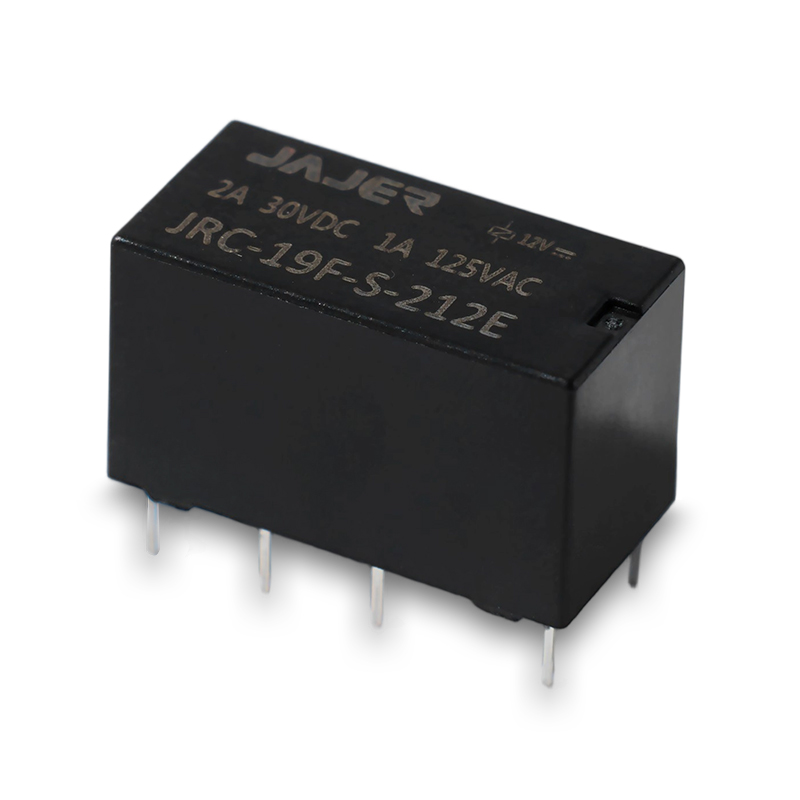
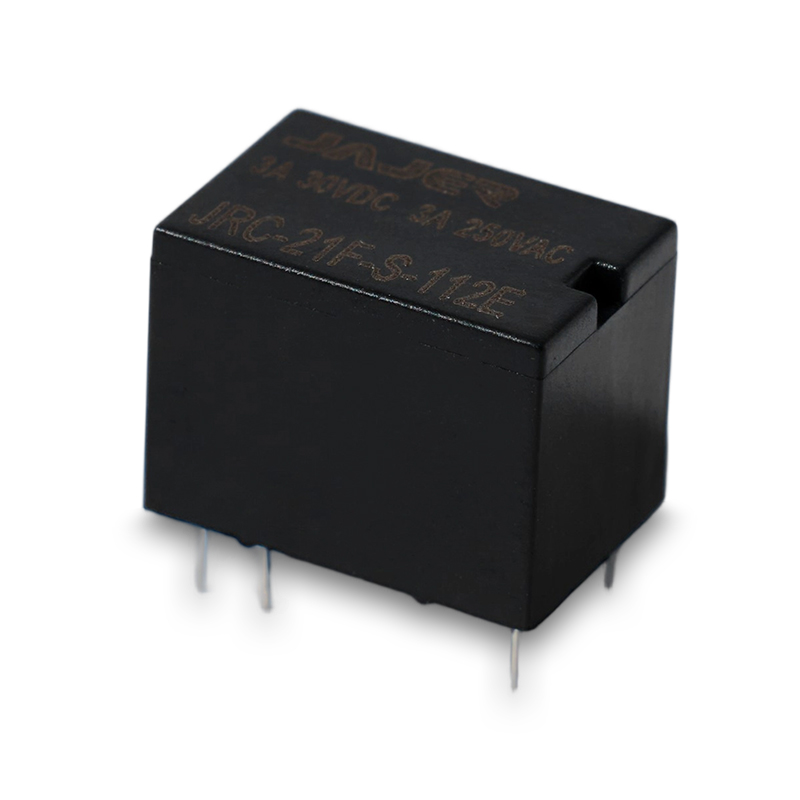
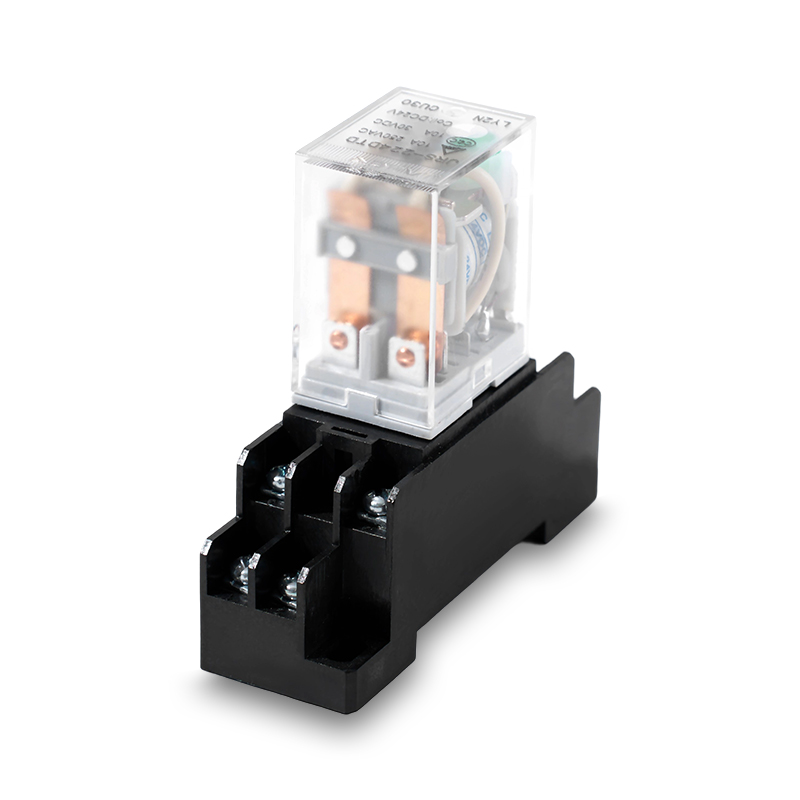
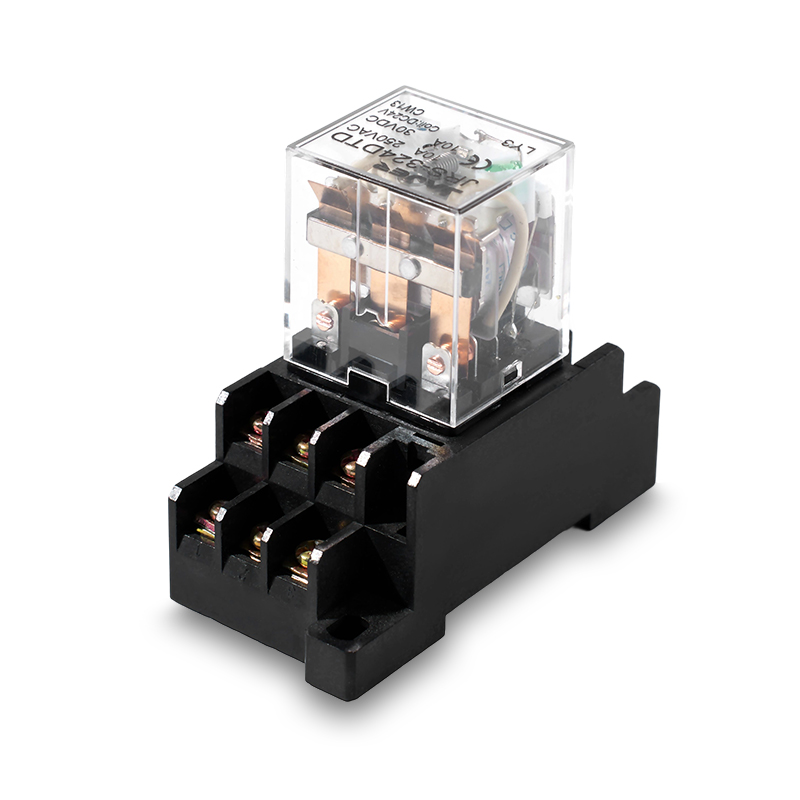
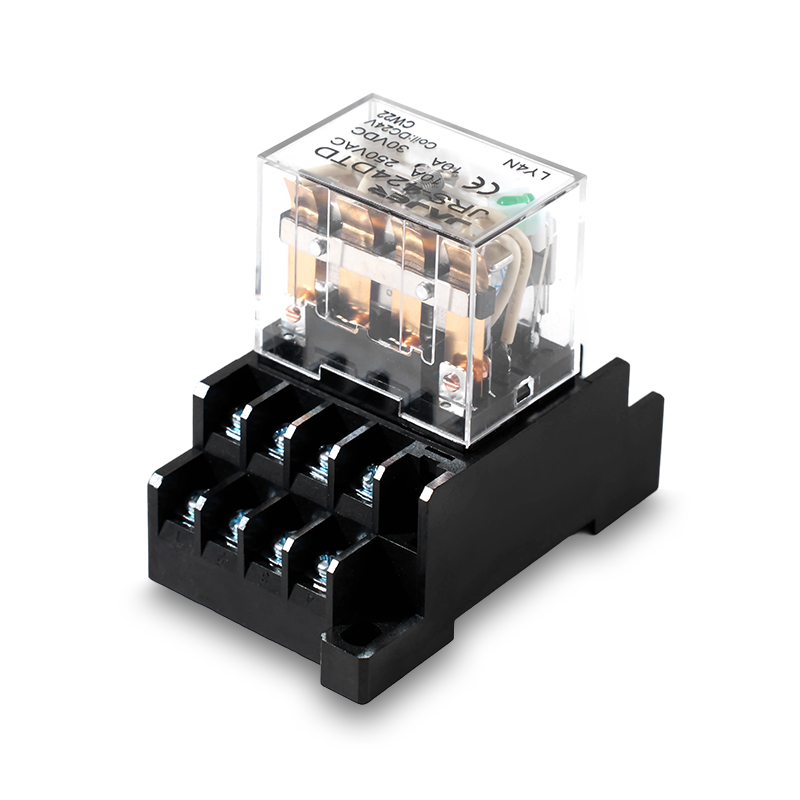
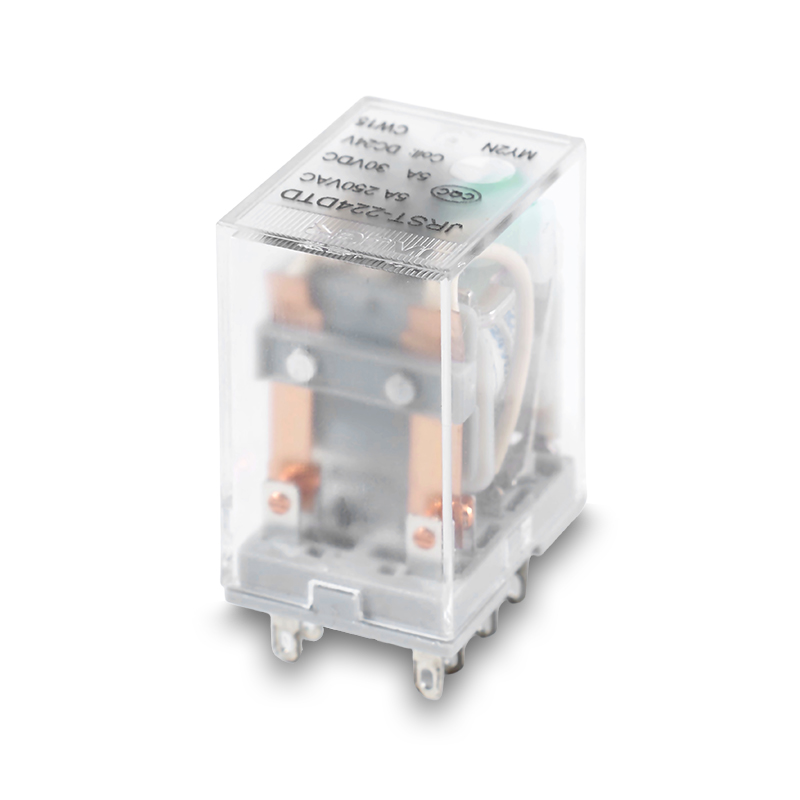
Industrial automation systems increasingly depend on fast switching, compact design, and long service life. These requirements push engineers toward semiconductor-based switching devices rather than traditional electromechanical relays. However, questions remain about whether Solid State Signal Relay solutions can reliably manage inductive loads such as motors, solenoids, and transformers without failure risks. At the same time, compact control circuits using Miniature Signal Relay designs are becoming common in modern electronic control panels where space and response speed are critical.
Our company focuses on industrial switching solutions, and we continuously receive technical inquiries regarding inductive load performance, surge protection, and SSR reliability in harsh industrial environments.
Understanding Inductive Load Stress on SSR Systems
Inductive loads behave differently from resistive loads because they store energy in magnetic fields. When switching off, this stored energy generates a high-voltage spike known as back EMF. This is the main challenge for SSR applications.
Typical inductive loads include:
- AC motors
- Solenoid valves
- Electromagnetic contactors
- Transformers
Technical studies show that voltage spikes from inductive loads can exceed rated switching levels if not properly suppressed, potentially damaging semiconductor output stages.
Our company designs SSR-based systems with reinforced output protection to reduce stress from these transient voltages.
Can Solid State Relays Handle Inductive Loads?
The short technical answer is yes, but only under controlled design conditions. SSRs are not inherently unsuitable for inductive loads; rather, they require correct system matching and protection design.
Key considerations include:
1. Surge Current Capability
Inductive loads can generate 5–8 times rated current during startup. Motors may even reach higher peaks depending on inertia and load condition.
Recommended SSR rating strategy:
- Resistive loads: 20–30% safety margin
- Inductive loads: 2–3× current oversizing
- Capacitive loads: 2–3× current oversizing
2. Thermal Dissipation
SSR devices generate internal heat due to semiconductor switching losses. Inductive loads increase thermal stress due to longer switching transitions.
Typical design parameters:
- Operating junction temperature: up to 125°C
- Heat sink requirement: mandatory above 10A load
- Derating factor: 30–50% at elevated ambient temperature
Why Inductive Loads Cause SSR Failure Risk
Inductive switching issues usually come from three major mechanisms:
1. Back EMF Voltage Spikes
When current is interrupted, the collapsing magnetic field generates high voltage that stresses SSR output components.
2. dv/dt False Triggering
Rapid voltage changes may unintentionally turn on or damage SSR output stages.
3. Thermal Accumulation
Repeated switching under load increases semiconductor temperature and reduces lifespan.
Without proper design, these factors can lead to premature failure or unstable switching behavior.
Protection Methods for Safe Operation
Reliable inductive load control requires external or built-in protection techniques.
Recommended engineering solutions:
- RC snubber circuits across output terminals
- MOV (metal oxide varistor) surge suppression
- Freewheeling diode (DC loads)
- Series inductors for dv/dt reduction
- Proper heat sink installation
These protective components significantly improve SSR lifespan and stability in industrial applications.
Role of Miniature Signal Relay in Hybrid Systems
Modern control systems often combine SSR technology with electromechanical isolation elements. A Miniature Signal Relay is commonly used in logic-level switching circuits where signal integrity and isolation are required.
Advantages in hybrid systems:
- Low coil power consumption
- Compact PCB integration
- High switching precision for control signals
- Reliable isolation between logic and power stages
Meanwhile, a Solid State Signal Relay handles high-speed switching of the main load side, creating a balanced system architecture that improves both durability and response time.
Our company often integrates both technologies into industrial control solutions to optimize performance across different load categories.
Application-Specific Design Guidelines
Proper SSR selection depends heavily on application type.
Motor Control Systems
- Prefer random turn-on SSR for reduced surge stress
- Add snubber networks for phase-shift compensation
- Ensure 2–3× current safety margin
Solenoid Valve Systems
- Use suppression diode or RC circuit
- Avoid leakage current issues with parallel resistors
- Ensure proper off-state insulation strength
Transformer Loads
- Avoid zero-cross SSR in high inrush conditions
- Consider peak switching control strategy
- Monitor dv/dt limitations carefully
Key Electrical Parameters for Reliable Design
Industry-grade SSR performance is defined by several measurable specifications:
- Load voltage range: 24–480 VAC typical
- Surge current capacity: up to 10× rated current (short duration)
- Isolation voltage: 2500–4000 VAC
- Turn-on time: <1 ms
- Leakage current: <10 mA
These values must be matched carefully with application requirements to ensure safe operation.
Industry 4.0 and Intelligent Relay Integration
Modern industrial systems increasingly demand real-time monitoring and predictive maintenance. SSR technology supports this transition through:
- Temperature feedback integration
- Current sensing modules
- Remote diagnostics via PLC systems
- Cloud-based load analytics
These features allow engineers to detect abnormal inductive load behavior before failure occurs.




 English
 русский
 Español