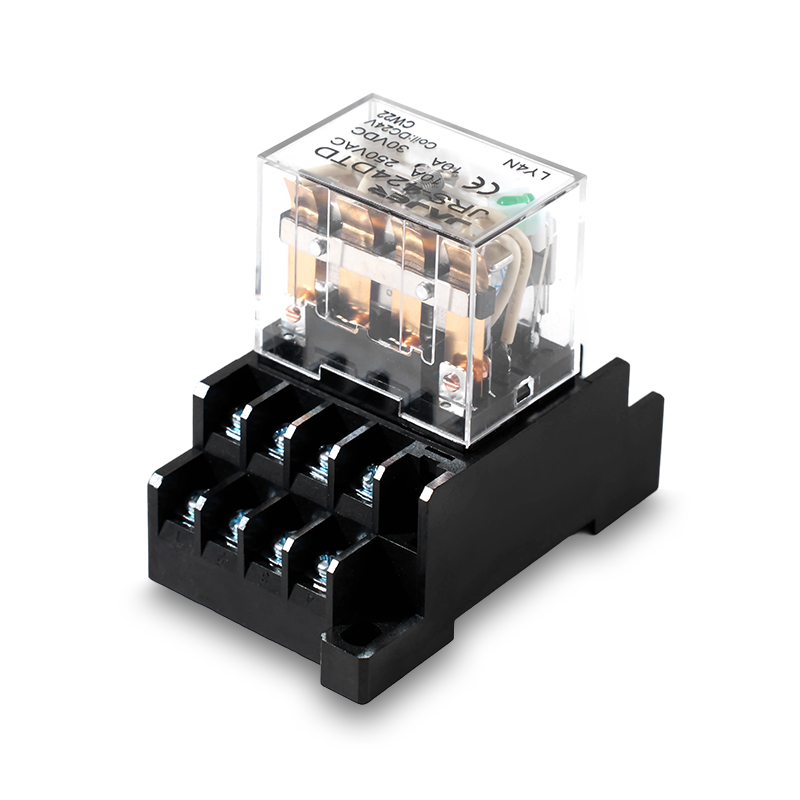
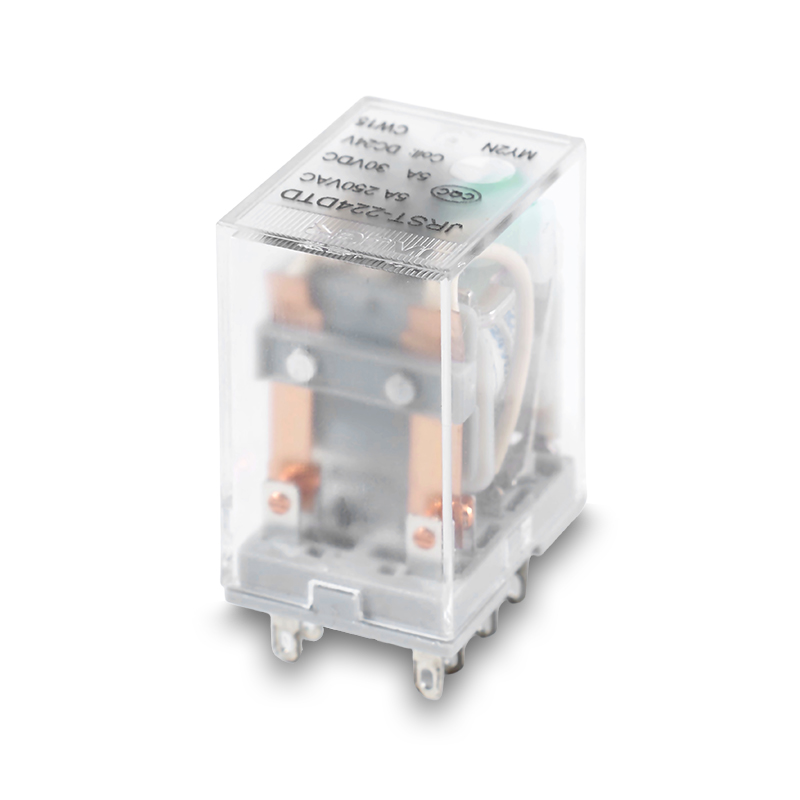
Industrial automation continues to evolve toward higher efficiency, faster switching, and lower maintenance demand. The debate between solid-state switching and electromechanical solutions remains central in control system design. Components such as Solid State Signal Relay and Miniature Signal Relay are widely used in precision control circuits, yet many engineers still evaluate whether traditional mechanical relays can compete in long-term durability.
Our company focuses on relay solutions designed for industrial control systems, helping manufacturers balance lifespan, switching performance, and thermal stability in modern applications.
1. Structural Difference Directly Impacts Lifespan
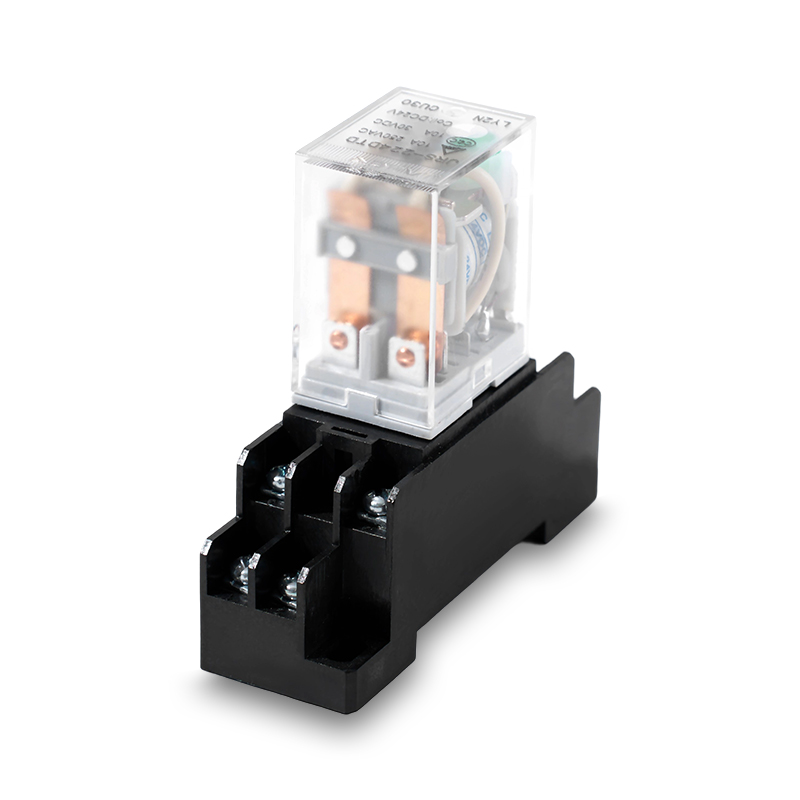
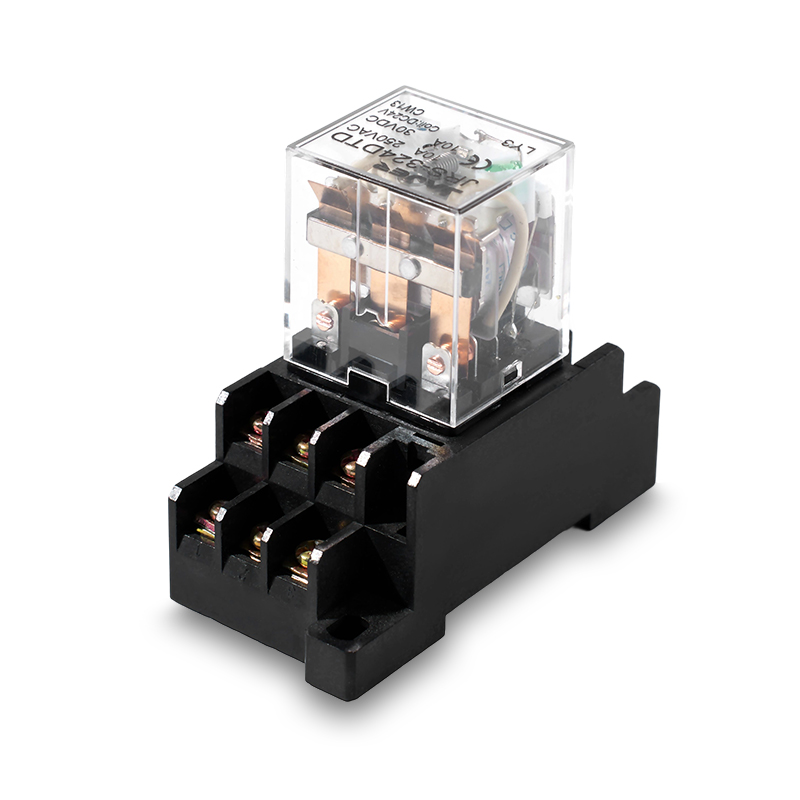
Mechanical relays operate through the physical movement of contacts driven by an electromagnetic coil. Every switching cycle produces mechanical wear and micro-arcing at the contact points. Over time, this leads to erosion, resistance increase, and eventual failure.
A Solid State Signal Relay replaces physical contacts with semiconductor components such as triacs or MOSFETs. No mechanical movement exists, eliminating contact wear. This structural advantage significantly extends operational life under frequent switching conditions.
Key comparison:
- Mechanical relay lifespan: ~100,000 to 1,000,000 cycles (load dependent)
- Solid state relay lifespan: often exceeds 10,000,000 cycles under proper thermal management
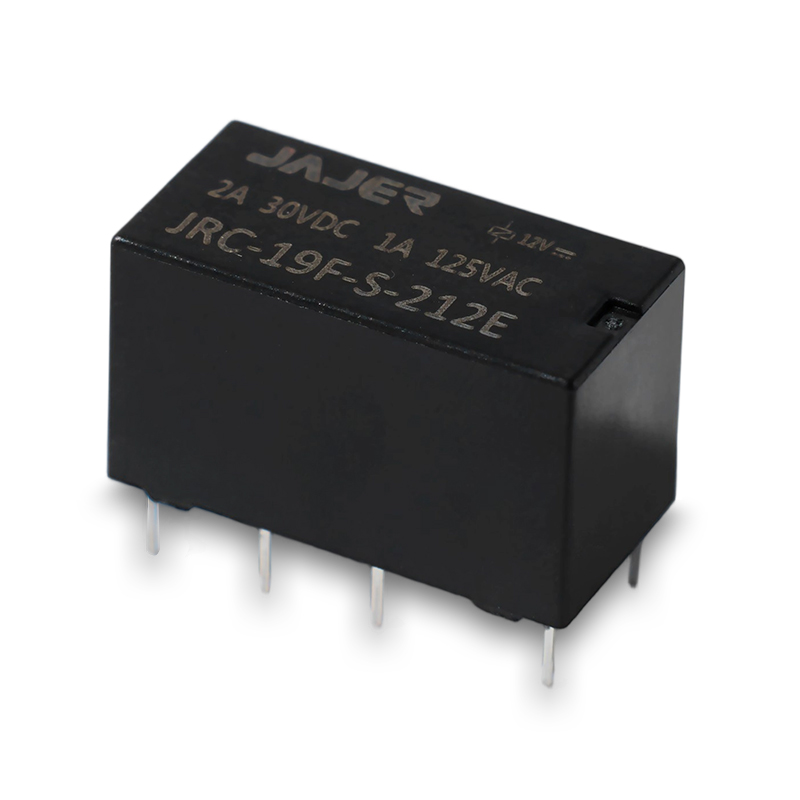
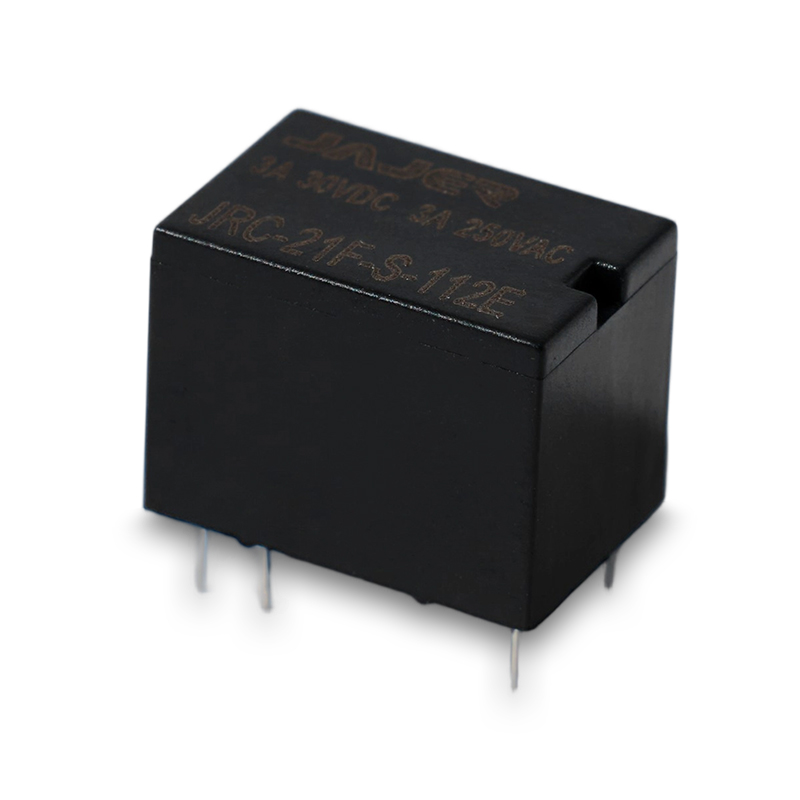
Miniature signal relays, while compact and efficient, still rely on mechanical contacts and therefore follow similar wear patterns as standard electromechanical designs.
2. Switching Speed and Its Effect on Wear
Switching speed plays a major role in long-term durability. Faster switching reduces arc duration and contact stress.
- Mechanical relay switching time: 5–20 ms with contact bounce effects
- Solid-state relay switching time: microseconds to a few milliseconds depending on design
Because Solid State Signal Relay devices operate without contact bounce, they avoid repeated micro-arcing events that shorten mechanical relay lifespan.
Our company designs relay modules optimized for fast-response industrial environments where cycle frequency is high, particularly in automation panels and temperature control systems.
3. Heat and Electrical Stress Are Critical Factors
Longevity is not only determined by switching cycles but also by thermal load.
Mechanical relay characteristics:
- Low heat generation
- Contact resistance increases over time
- Susceptible to arc damage under inductive loads
Solid state relay characteristics:
- Continuous voltage drop creates heat dissipation requirement
- Requires heat sinks in high-current applications
- No arc damage due to contactless switching
Miniature signal relay units generate minimal coil heat but still suffer from arc wear during switching operations.
Industrial SSR systems may operate reliably beyond 10⁷ cycles but depend heavily on thermal design and heat dissipation efficiency.
4. Load Type Strongly Influences Service Life
Different electrical loads affect relay lifespan differently:
Resistive loads
- SSR performs efficiently with minimal degradation
- Mechanical relays also perform well
Inductive loads (motors, solenoids)
- Mechanical relays experience higher contact erosion
- SSR may require protection circuits (snubber, MOV)
High-frequency switching
- Solid State Signal Relay significantly outperforms mechanical types
- Miniature signal relay may degrade quickly under rapid cycling
Our company recommends SSR-based systems for applications involving repetitive switching such as heating control, LED arrays, and precision automation loops.
5. Maintenance Requirements Over Time
Maintenance frequency is a major hidden cost in relay selection.
Mechanical relay systems typically require:
- Contact inspection
- Replacement after arc wear
- Periodic cleaning in dusty environments
Solid state systems require:
- Thermal monitoring
- Heat sink cleaning
- Electrical load verification
Even though SSRs reduce mechanical maintenance, improper thermal management can shorten lifespan significantly.
Miniature signal relays may appear cost-effective initially but require more frequent replacement under industrial cycling conditions.
6. Industrial Reliability Comparison
Practical industrial observations show:
- Mechanical relays perform reliably in low-cycle applications such as lighting control or safety interlocks.
- Solid State Signal Relay systems dominate in automation lines requiring continuous switching.
- Miniature signal relay devices are widely used in control boards but not recommended for heavy-duty switching environments.
A properly designed SSR system can operate for years without mechanical degradation, while electromechanical relays depend heavily on switching frequency and load stress.
7. Technical Design Factors That Extend Lifespan
Our company integrates engineering improvements to maximize relay durability:
- Opto-isolated input circuits to reduce control-side noise
- Zero-cross switching to minimize surge current
- Thermal-resistant semiconductor selection
- Reinforced PCB copper thickness for heat distribution
- Surge protection modules for inductive load stability
These design strategies are especially important in high-density automation systems where Miniature signal relay modules are used alongside SSR units.
8. Cost vs Lifespan Balance
Although SSR units generally cost more initially, lifecycle cost is often lower due to:
- Reduced replacement frequency
- Lower downtime
- Minimal mechanical failure risk
Mechanical relays provide cost advantages in simple systems but may generate higher long-term maintenance costs in high-cycle environments.




 English
 русский
 Español