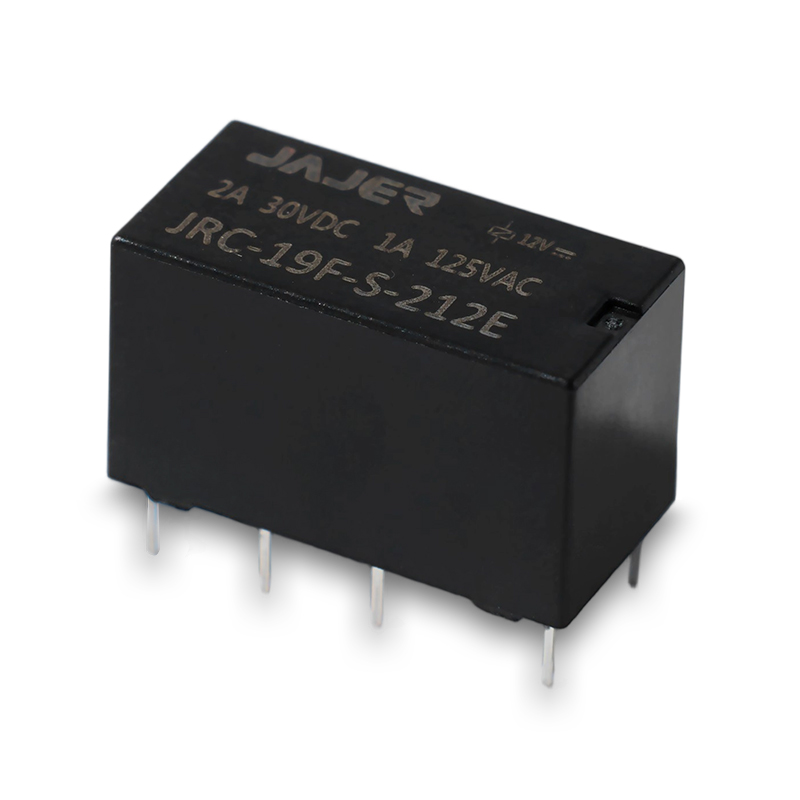
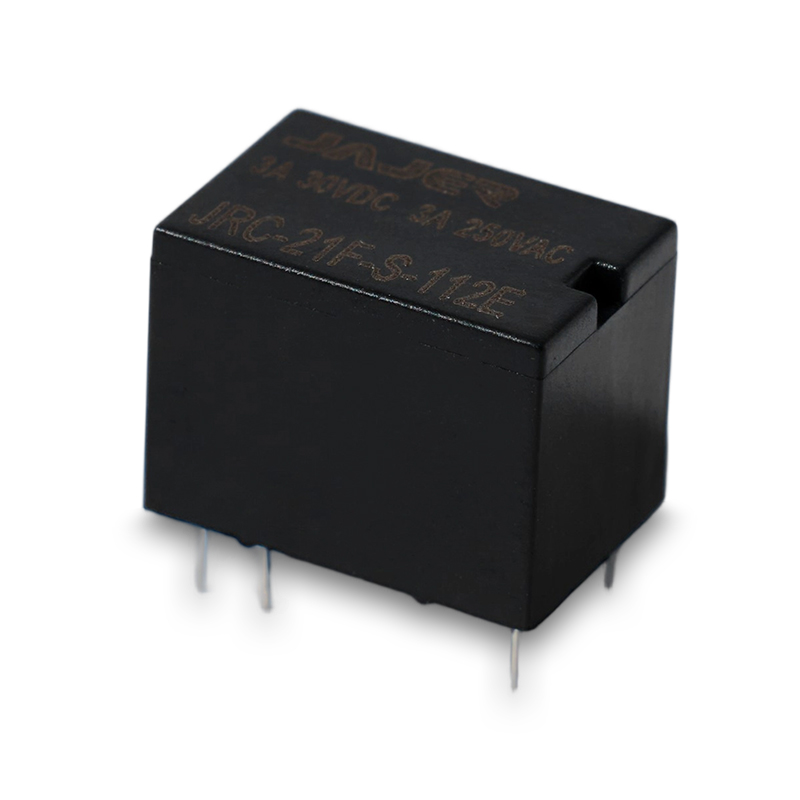
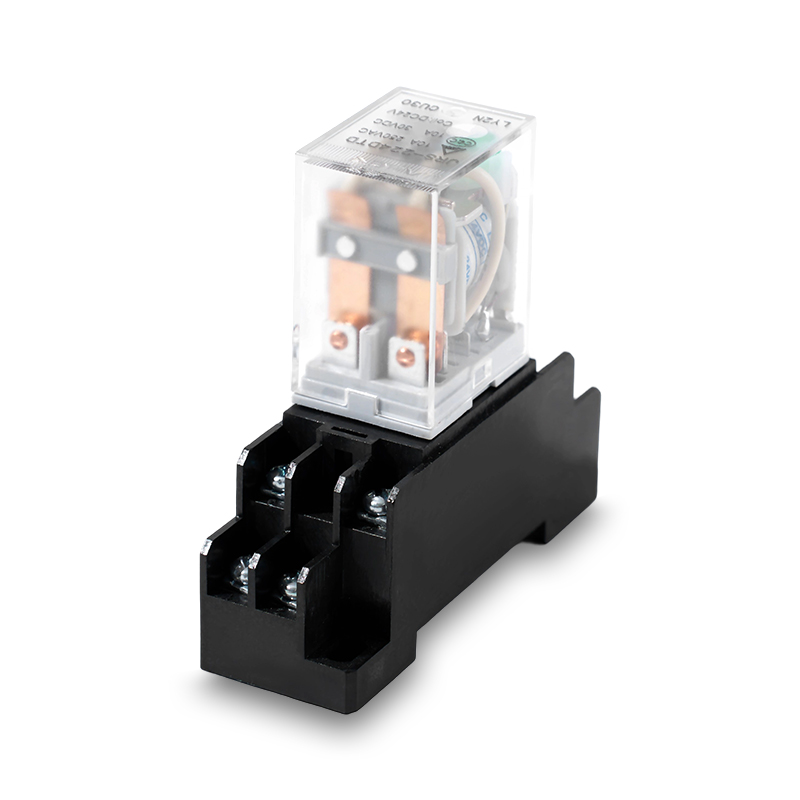
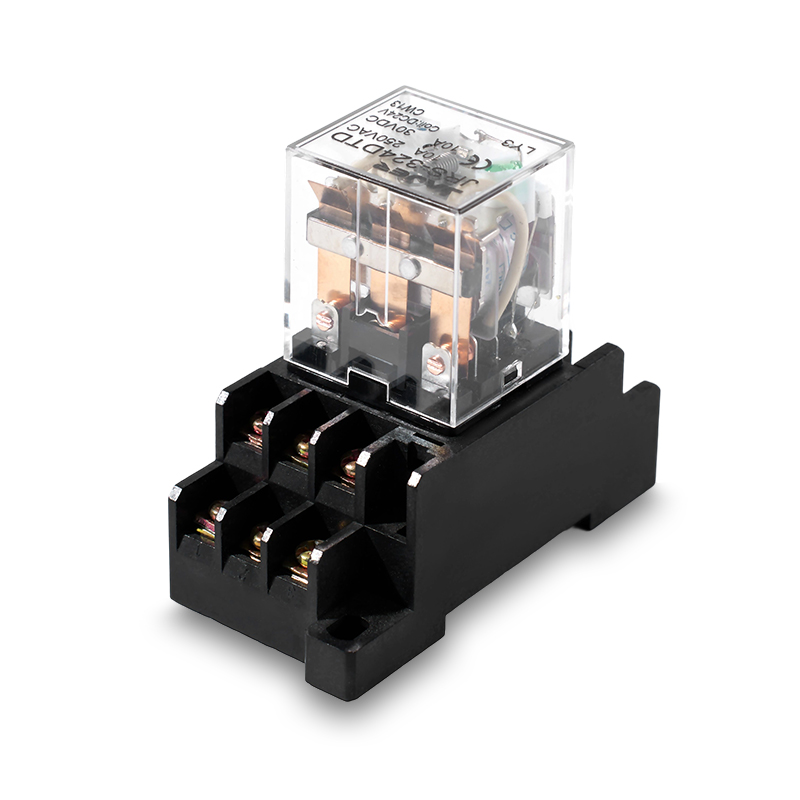
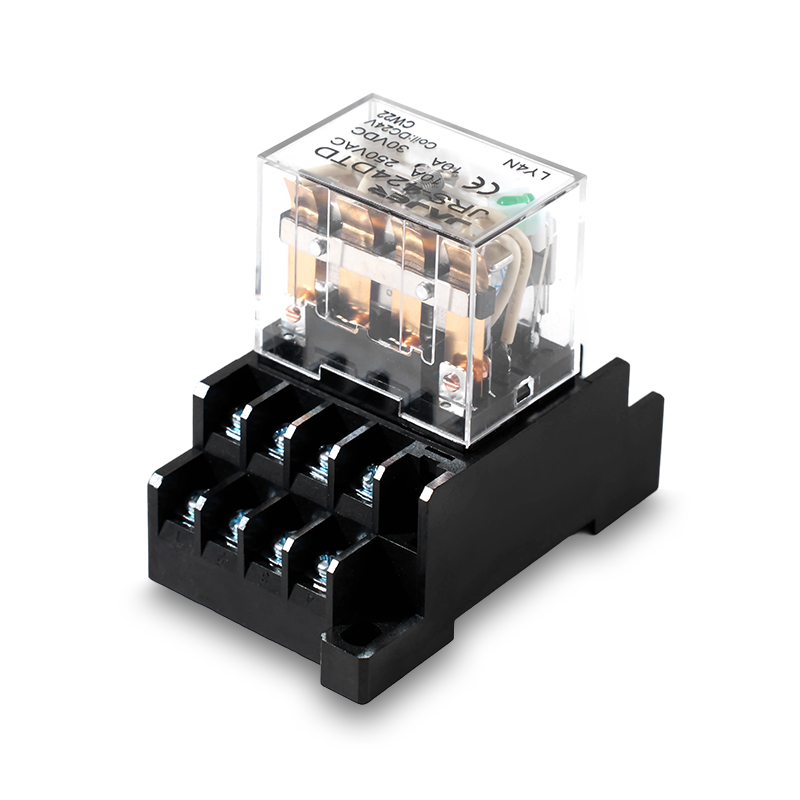
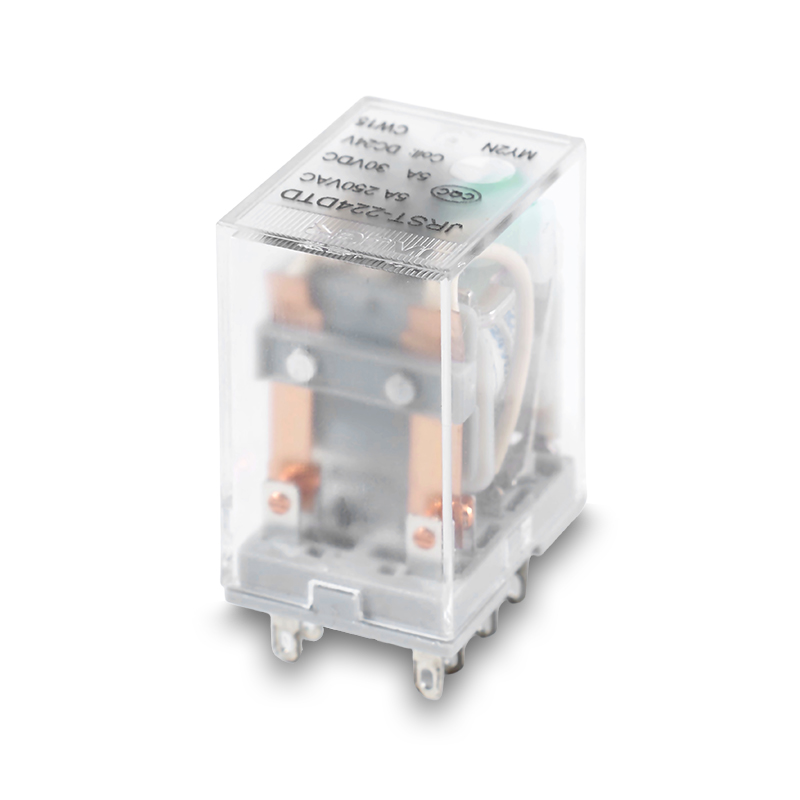
Electrical faults in HVAC systems are often traced back to minor wiring mistakes rather than major mechanical failures. A miswired HVAC Control Relay or HVAC Relay Module can cause system errors ranging from fans that fail to start, compressors that won’t engage, to erratic cycling or tripped fuses. Understanding proper relay wiring is critical for both technicians and HVAC system owners, and at Wenzhou Jiajie Electric Co., Ltd., we frequently guide clients on correct installation practices to prevent these issues.
Step 1: Identify Common Wiring Mistakes
Reversed Coil Polarity: Although more relays operate with AC signals and are polarity-insensitive, some modules include DC circuits or feedback components that require correct polarity. Reversing connections can prevent the relay from energizing.
Crossed High-Voltage Lines: Accidentally connecting line voltage to a low-voltage control terminal can damage the relay coil and other sensitive electronics.
Loose or Incomplete Connections: Vibration, thermal expansion, or insufficient torque on terminal screws can interrupt the control signal intermittently.
Bypassing Safety Interlocks: Some systems include interlock switches or fuses in series with the relay. Ignoring these can contribute to operational errors or safety hazards.
Even minor mistakes can manifest as recurring system faults, confusing technicians and homeowners alike.
Step 2: Verify Control Signals
Use a multimeter to measure voltage at the relay coil. Residential systems typically deliver 24VAC, while some commercial modules may use 12–30VDC signals.
Confirm the control signal appears when the thermostat calls for operation. Absence of voltage indicates upstream wiring issues or transformer problems rather than relay failure.
Check that signal voltage is stable and within tolerance; fluctuating voltage can cause the relay to chatter or fail to activate.
Step 3: Inspect High-Voltage Contacts
High-voltage contacts carry current to the fan motor or compressor. Miswiring these terminals may result in:
Compressor not starting or running in reverse
Blower fan operating at wrong speed
Short circuits that trip breakers or fuses
Always refer to the wiring diagram provided with the relay module or the HVAC unit’s service manual. Standard color codes (red for live, black/blue for neutral, yellow/green for ground) help reduce errors, but verifying each connection is essential.
Step 4: Test the Relay Operation
After correcting wiring:
Manually energize the relay using the proper control signal.
Listen for the characteristic click indicating mechanical engagement.
Measure continuity across the switched contacts to ensure the circuit closes.
These steps confirm the relay is properly wired and functioning under load.
Step 5: Prevent Future Wiring Errors
Label wires during installation or service.
Use terminal blocks or wire harnesses to maintain secure connections.
Follow manufacturer-provided diagrams; avoid improvising.
Train technicians to double-check each connection before powering the system.
Correct wiring ensures the HVAC Control Relay and HVAC Relay Module can reliably transmit signals to critical components, preventing system errors and premature wear.
Key Takeaways
Miswiring relays is a common cause of HVAC errors.
Proper voltage verification, continuity testing, and adherence to wiring diagrams prevent system faults.
Routine inspections of relay connections reduce downtime and maintenance costs.
Relays are small components, but accurate wiring ensures reliable operation of fans, compressors, and safety mechanisms.
By understanding the importance of correct wiring and using methodical troubleshooting steps, HVAC systems can operate efficiently and avoid unnecessary service calls, prolonging the life of both electrical and mechanical components.




 English
 русский
 Español