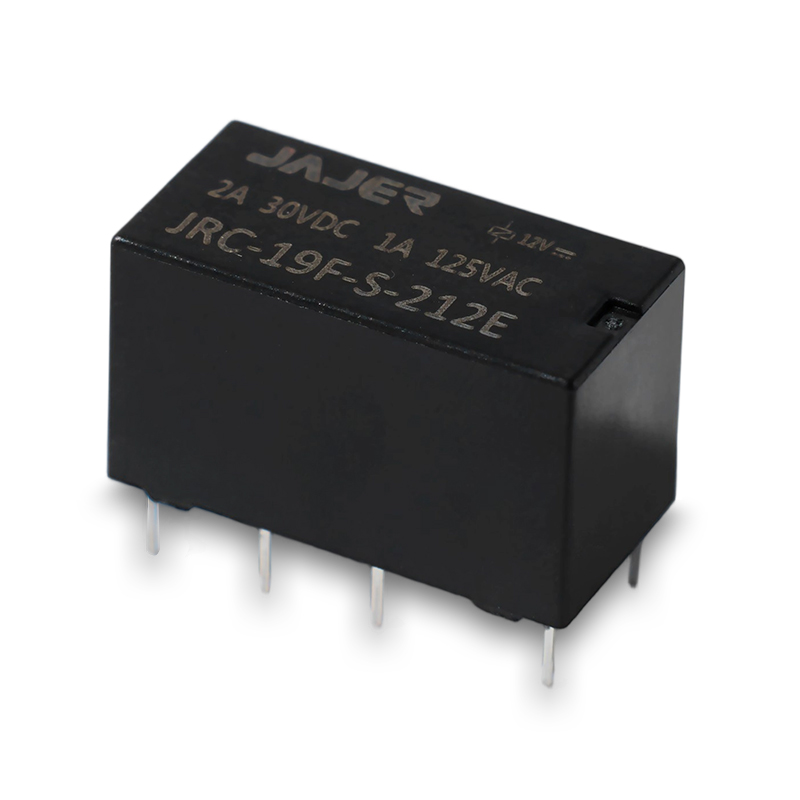
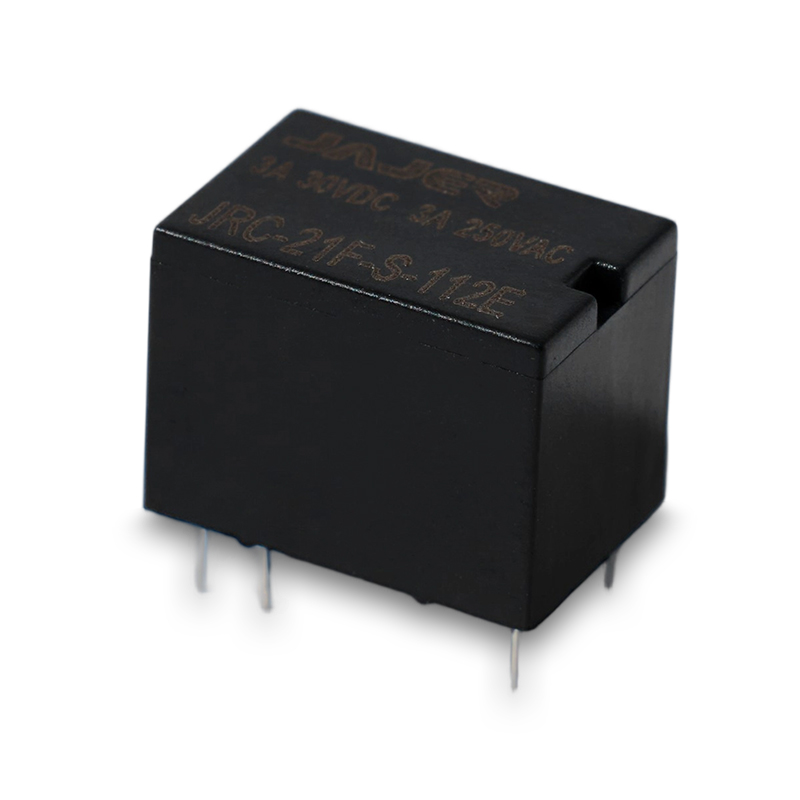
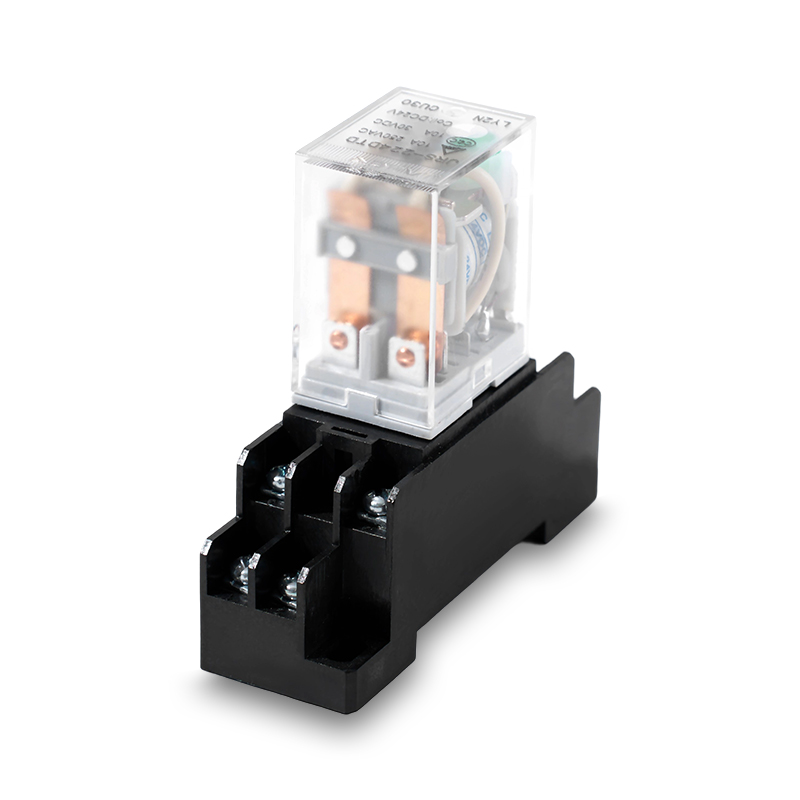
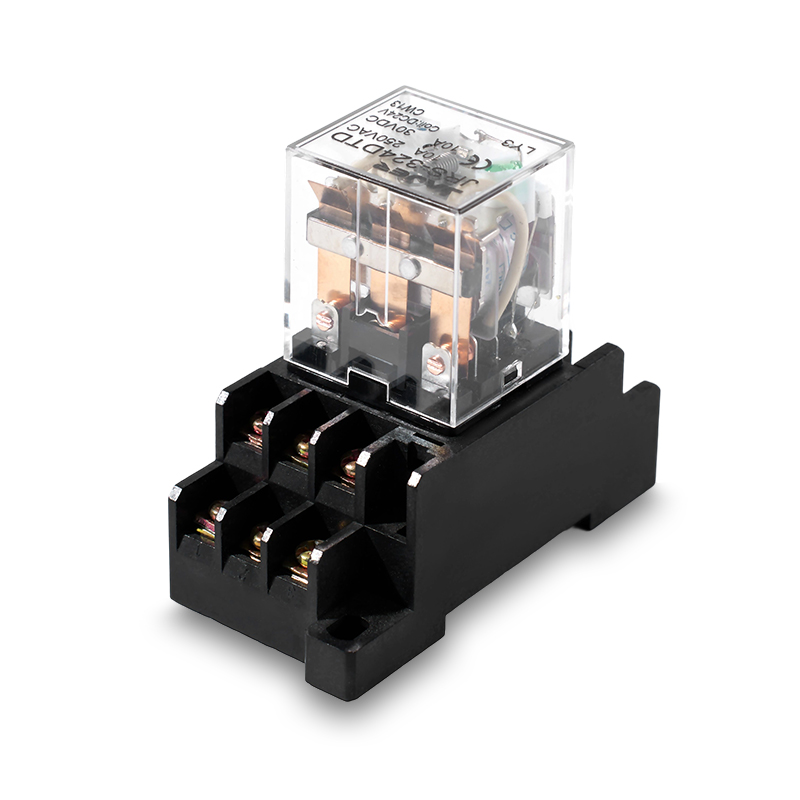
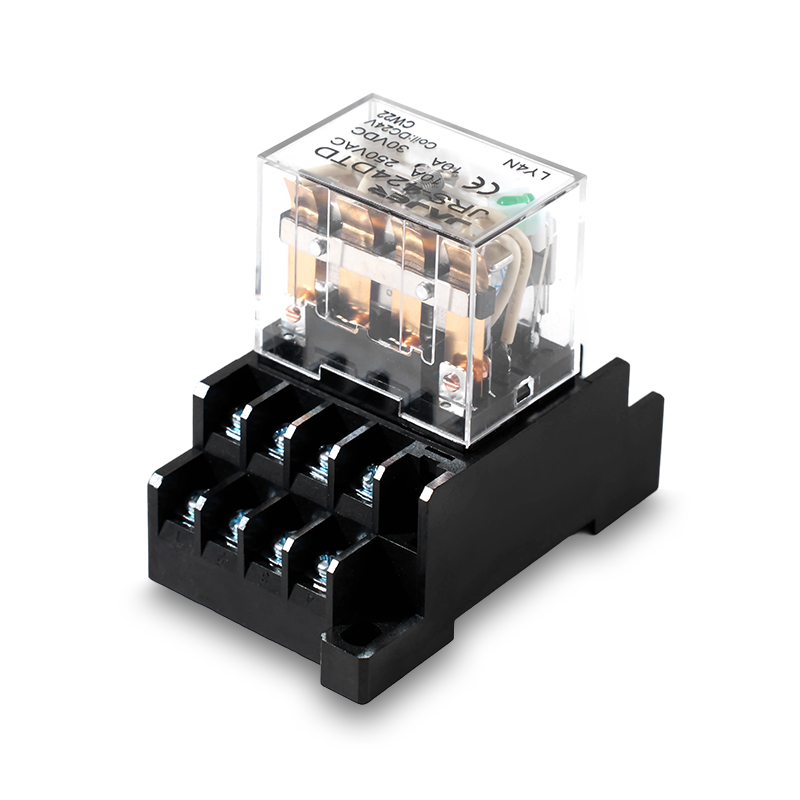
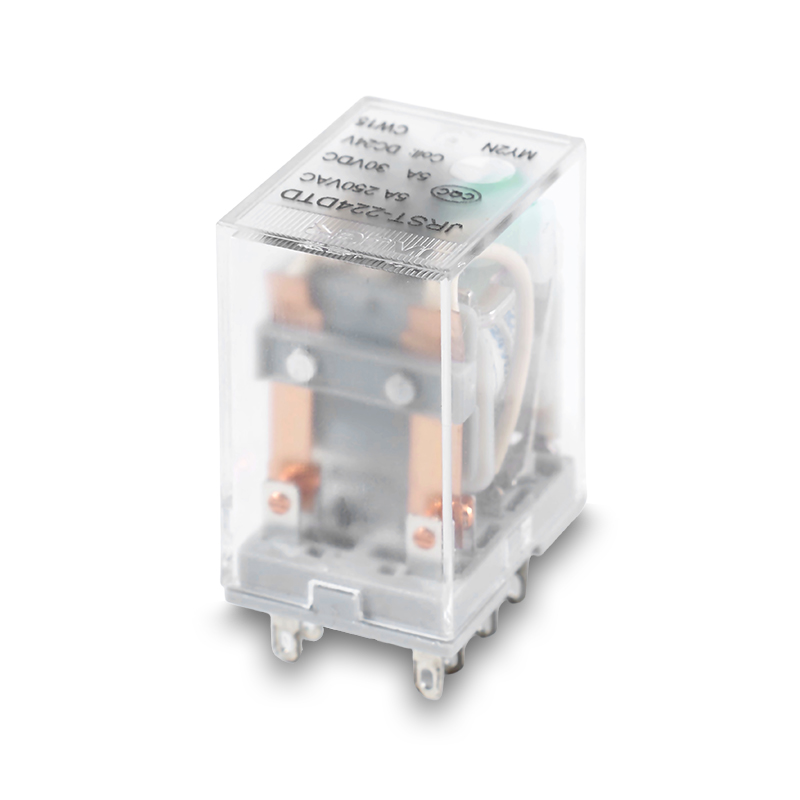
HVAC systems often operate silently in the background, but a small component like the HVAC Control Relay or the HVAC Relay Module can determine whether your system functions reliably or causes repeated failures. Imagine a hot summer day, and the air conditioner refuses to start. Inside the metal panels, relays act as traffic controllers for electricity, ensuring that signals from the thermostat reach the fan motors, compressors, and safety circuits efficiently.
Anatomy of an HVAC Relay Module
Relays are deceptively simple but critical devices. Understanding their construction helps explain why failures occur:
Electromagnetic Coil: Energized by a low-voltage signal (commonly 24VAC), the coil generates a magnetic field that moves the switch contacts. Coil resistance typically ranges from 400Ω to 600Ω depending on relay type.
Switching Contacts: These contacts carry high-voltage power, often rated for 10A–30A at 250VAC or 30VDC. Over time, pitting from arcing can prevent reliable contact closure.
Relay Housing & Terminal Block: Provides insulation, physical protection, and mounting stability. Multi-relay modules often include fuses or snubber diodes to protect against voltage spikes.
Feedback Circuits: Some modules integrate auxiliary contacts to report activation status back to the control board, helping prevent undetected failures.
Step-by-Step Operation Inside Your HVAC Unit
Signal Reception: The thermostat sends a 24VAC signal to the relay coil.
Electromagnetic Activation: The coil generates a magnetic field that moves the internal switch to the closed position.
Power Transfer: High-voltage power flows through the contacts to the connected component, such as a blower or compressor.
System Monitoring: Advanced modules may send status feedback to the control board to confirm activation.
This sequence occurs within milliseconds, ensuring the system responds rapidly to temperature changes. Delays or incomplete contact closure are often behind common HVAC complaints, like delayed fan starts or intermittent cooling.
Common Problems Observed in the Field
Pitted Contacts: Repeated arcing damages contact surfaces, reducing current flow. Observed often in systems with frequent short cycles.
Coil Failure: Burnt or open coils prevent the relay from engaging, leaving fans or compressors inactive.
Loose Connections: Terminal screws or wire harnesses can loosen over time, especially in outdoor units subject to vibration and thermal expansion.
Voltage Drops: Weak control signals, often caused by transformer issues, prevent full relay activation.
A case study from our service records showed a residential unit with a blower fan that started intermittently. Inspection revealed that the relay contacts were slightly burned and pitted due to frequent cycling. After installing a replacement HVAC Relay Module, airflow returned to normal, and short cycling ceased.
Technical Considerations for HVAC Designers
Relay Ratings: Always match contact voltage and current ratings to the system load. Oversized loads can overheat contacts; undersized relays may trip protective devices.
Response Time: Electromechanical relays typically react in 5–20ms. Faster response relays reduce mechanical stress on fans and compressors.
Lifecycle: Quality modules can perform 50,000–100,000 switching cycles without performance loss, but degraded contacts shorten lifespan.
Environmental Factors: Moisture, dust, and temperature fluctuations affect coil resistance and contact reliability.
Maintenance and Preventive Tips
Perform visual inspections for discoloration, dust, corrosion, or carbon deposits.
Test coil resistance with a multimeter; unexpected readings may indicate partial burnout.
Ensure tight and clean connections; even a small increase in resistance affects performance.
Schedule periodic replacement of relay modules in older systems, especially those with high-frequency cycling.
Consider upgrading to relay modules with built-in surge protection for long-term reliability.
Why Understanding Relays Matters
HVAC relays may be small, but they control major system components and can impact overall performance and energy efficiency. Understanding how the HVAC Control Relay and HVAC Relay Module operate inside units allows technicians to diagnose problems more accurately, prevent unnecessary part swaps, and maintain consistent indoor comfort. Proper maintenance, timely replacement, and attention to voltage and connection quality ensure these small components continue to deliver high impact over the life of the system.




 English
 русский
 Español