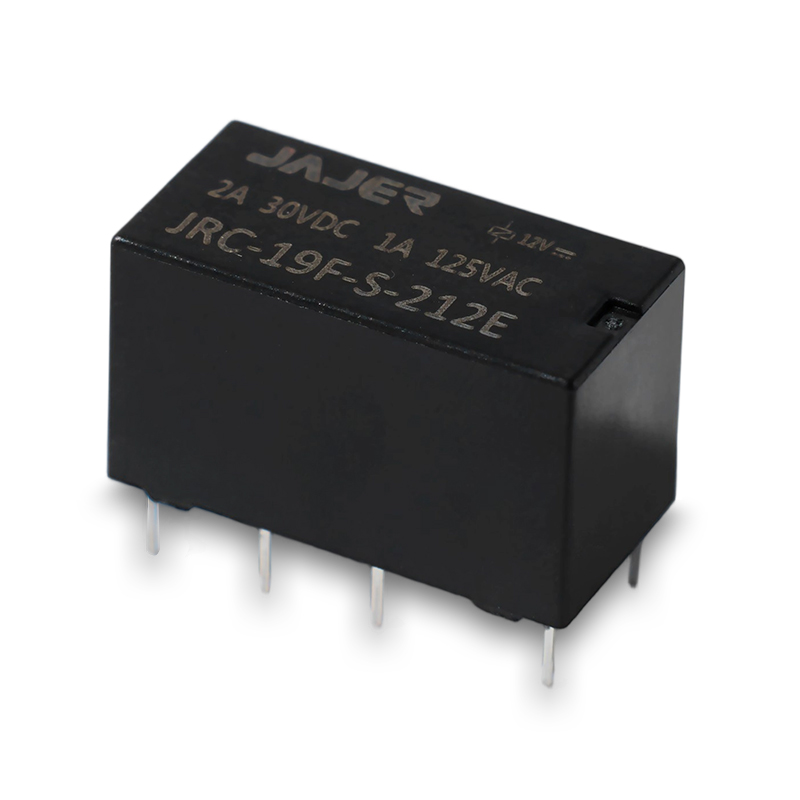
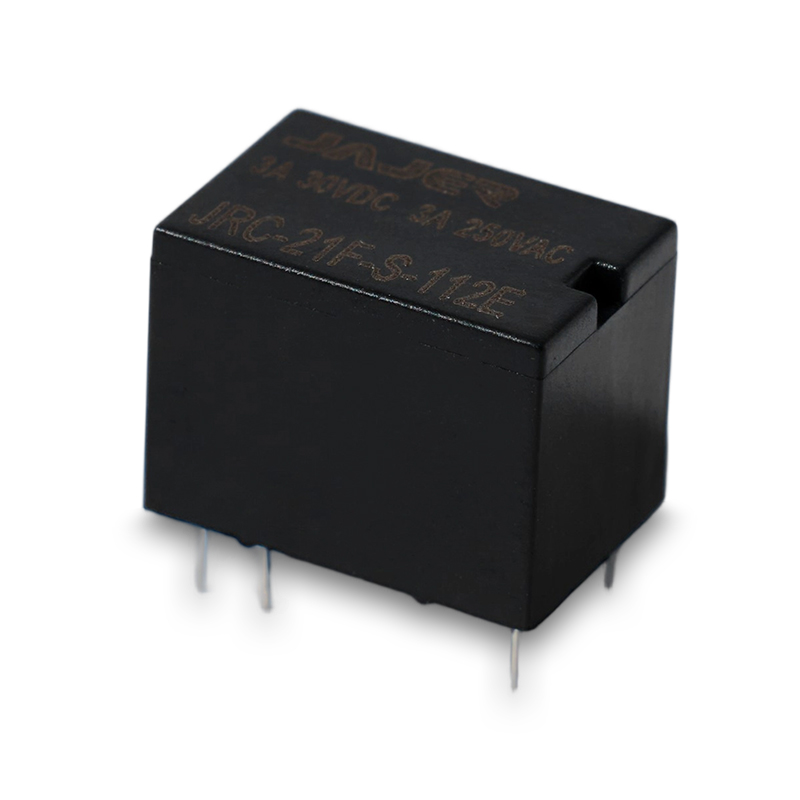
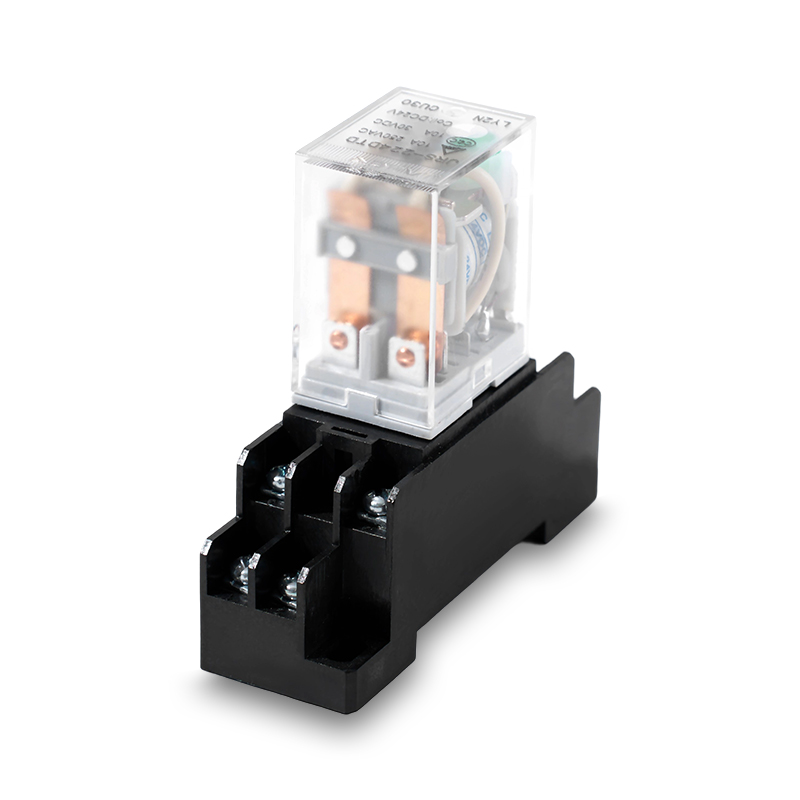
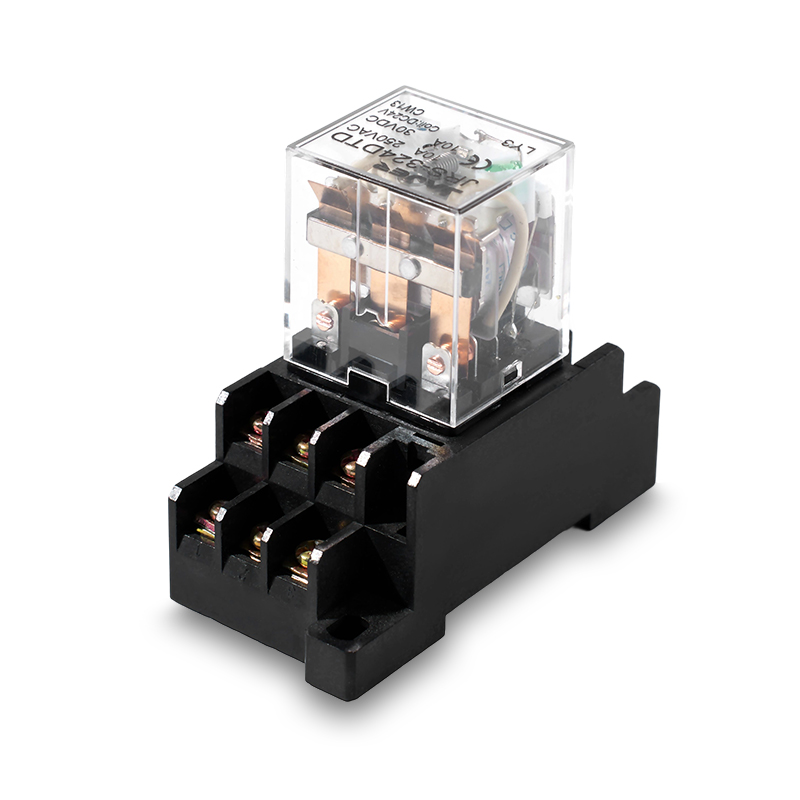
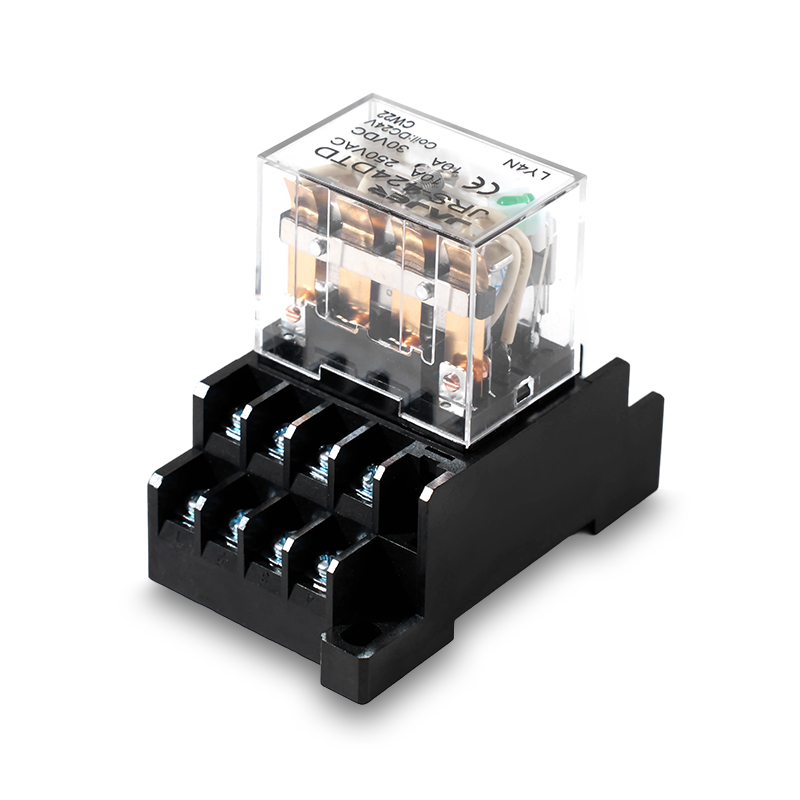
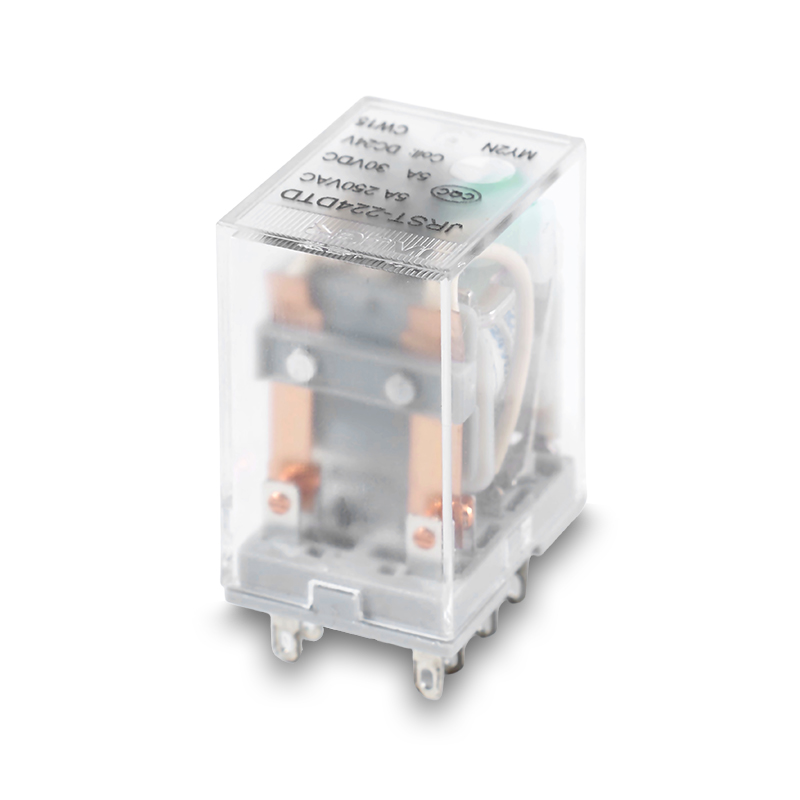
Many HVAC users and technicians alike struggle to recognize early indicators that an HVAC Control Relay or broader HVAC Relay Module is failing. These electrical components are critical in distributing low-voltage control signals to major system circuits, directing power to blowers, compressors, and other essential parts of a system. When a relay module begins to fail, the effects are often subtle at first and grow more disruptive over time, leading to inconsistent comfort and unpredictable cycling of the system.
At Wenzhou Jiajie Electric Co., Ltd., we emphasize that recognizing these symptoms can be the initial step toward reliable HVAC operation and smoother maintenance planning.
1. Erratic System Behavior
One of the more common signs that a relay module might be deteriorating is when components of the HVAC system operate unpredictably. A unit may run intermittently, turn on and off without completing a proper cycle, or fail to respond promptly to thermostat commands. This sporadic behavior often stems from worn internal contacts within the relay module that no longer provide consistent electrical flow.
2. Audible Clicking, Buzzing, or Humming
Unusual noises near the electrical compartment of an air handler or outdoor unit often point toward a failing relay. As the relay struggles to make or maintain contact, technicians and users report audible clicking or buzzing sounds when the system attempts to engage the compressor or blower motor. In some cases, relays may even produce a humming noise due to partial engagement of the coil.
Such noises are not just annoyance signals — they are electrical clues that the internal electromagnetic mechanisms are no longer functioning normally.
3. Inconsistent Heating or Cooling
A typical symptom of a malfunctioning relay module is uneven temperature performance. For example, the system may struggle to reach the set temperature, cycle on and off more frequently than normal, or blow air that is alternately too warm or too cold. These fluctuations indicate that the relay may be failing to reliably activate the compressor or blower circuits, disrupting the smooth flow of heating or cooling power.
4. Complete Loss of Key Functions
In more advanced stages of failure, the HVAC unit may lose major functions entirely. For instance, the blower motor may stop running even though power is present, or the outdoor compressor may fail to start when cooling is called for. In such cases, the relay module’s inability to connect the control signal to the appropriate circuit effectively isolates parts of the system from receiving the power they need to operate.
5. Rapid Cycling and Short Cycles
Watch for very short operating intervals where the system appears to turn on but immediately shuts off. This “short cycling” pattern often reflects a relay module that cannot sustain a full engage cycle. Such behavior not only reduces comfort effectiveness but also increases wear on major mechanical components due to frequent starts and stops.
6. Visual and Physical Clues
While many symptoms are electrical, physical inspection can reveal further evidence of relay module issues. Burnt contact points, melted housings, or visible corrosion are clear indicators that a module has been subjected to stress beyond normal operating conditions. Technicians often look for carbon deposits or pitting on the contacts during routine maintenance to anticipate potential failures before they cause a system outage.
Addressing Relay Module Issues
HVAC relays and modules are designed to handle repeated electrical switching, but even well-built units eventually show signs of wear. Regular system checks with tools like multimeters can help technicians confirm voltage delivery, coil activation, and continuity before deciding on replacement. It’s also important to ensure tight connections and clean terminals, as loose wiring and corrosion can hasten relay deterioration.
A proactive maintenance program that includes visual inspections, electrical testing, and response tracking of cooling/heating cycles can help reduce unexpected failures and extend the life of key electrical components.




 English
 русский
 Español