English
 русский
 Español
Home / News / Industry News / Enhancing Electrical Panel Performance with Practical Relay Connection Solutions
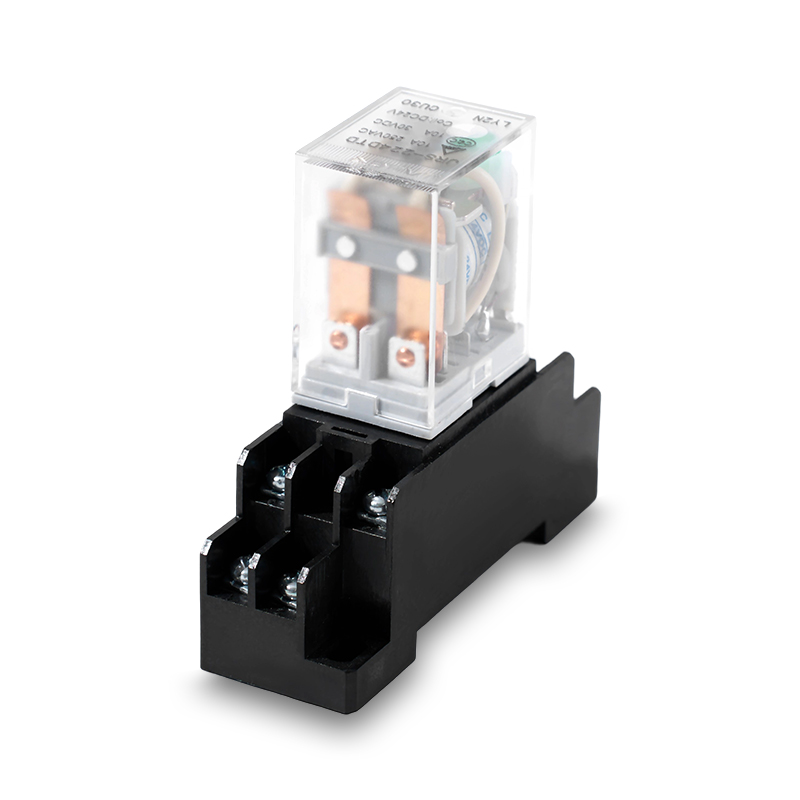
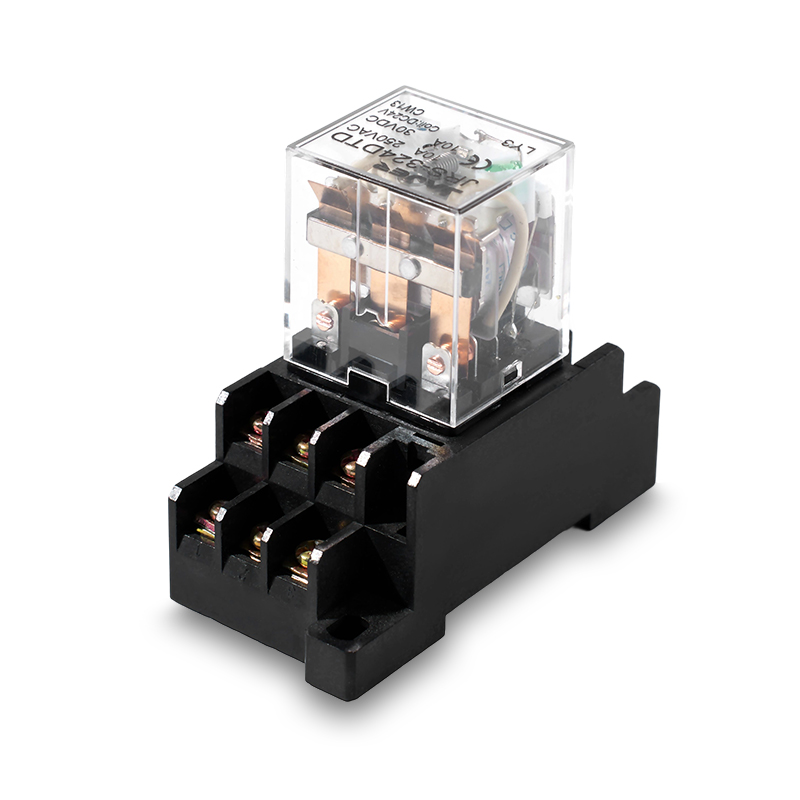
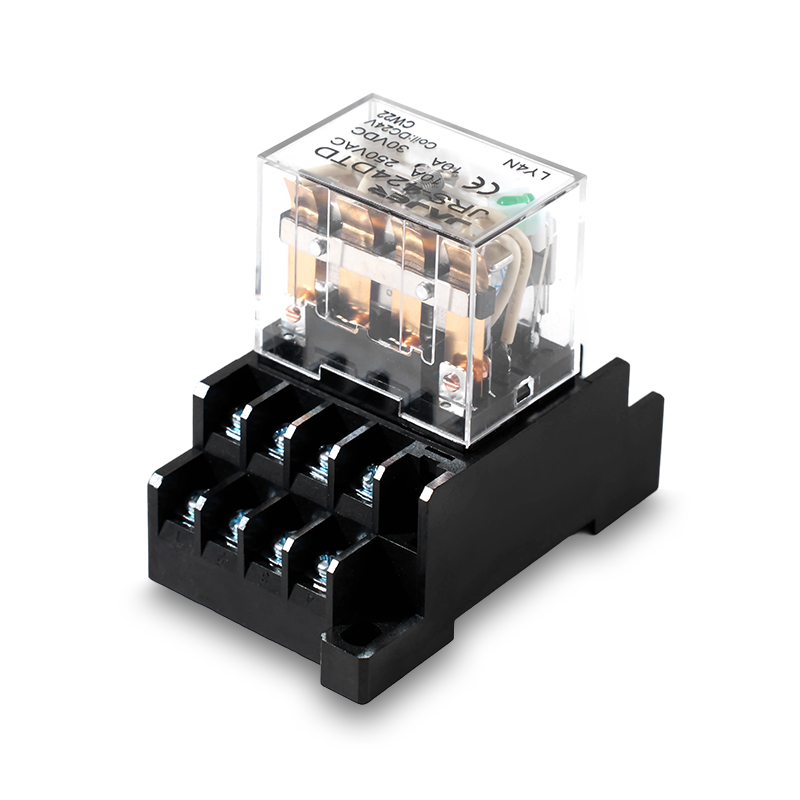
In today’s industrial and commercial equipment environment, reliable electrical connections are becoming more important for improving system stability and reducing maintenance pressure. A Relay Base provides a structured connection point between relays and control circuits, helping engineers create cleaner wiring layouts and more efficient maintenance processes. As automation equipment, smart control systems, and compact electrical panels continue to develop, overseas buyers are paying more attention to relay accessories that support safe installation and long-term operation.
Addressing Wiring Challenges in Control Applications
Electrical panels often contain multiple control components working together, and poor wiring organization can create difficulties during installation and troubleshooting. Engineers frequently look for solutions that can simplify relay replacement, improve connection accuracy, and reduce unnecessary downtime.
A suitable relay socket or mounting base helps create a stable interface between the relay and the circuit. Instead of directly connecting and disconnecting wires during maintenance, technicians can replace relay components more efficiently while keeping the original wiring arrangement organized.
For equipment builders, this approach supports easier assembly processes and provides a more convenient maintenance experience for end users.
Improving Space Management Inside Electrical Cabinets
Modern control cabinets are becoming more compact due to the demand for smaller equipment designs and integrated automation systems. Limited installation space requires electrical components to be arranged carefully without affecting performance.
Relay mounting solutions with practical structures can help optimize cabinet layouts by:
These advantages are valuable for industries where equipment size, installation efficiency, and service convenience are important considerations.
Supporting Stable Performance in Industrial Environments
Relays are widely used in automation systems, machinery controls, energy equipment, and building management applications. In these environments, electrical components may experience frequent switching operations and continuous working cycles.
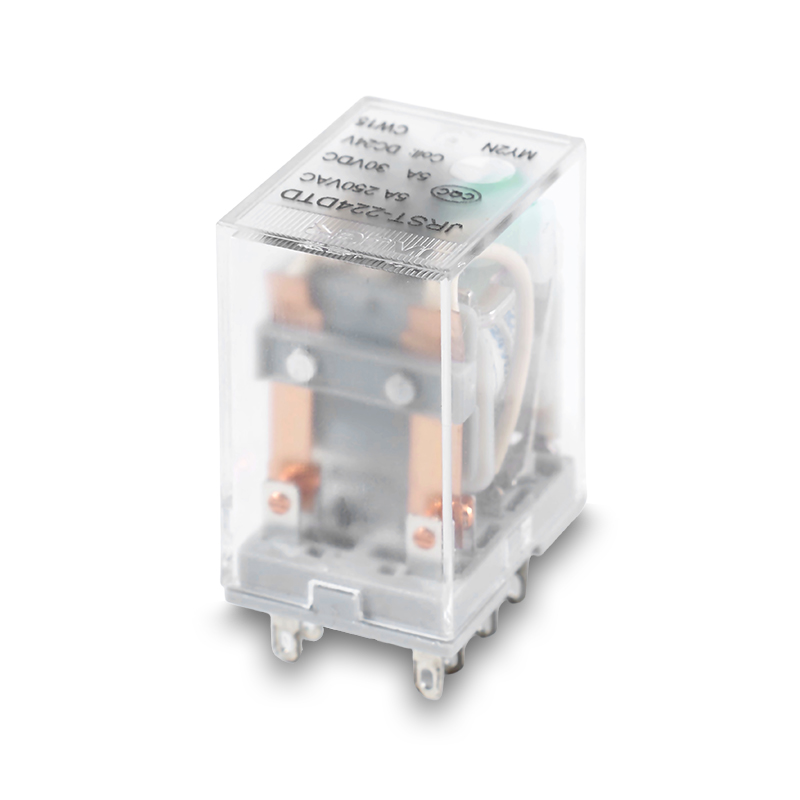
A properly selected Relay Base helps maintain a secure connection between the relay and the control system. Important factors such as contact reliability, mechanical strength, and compatibility with different relay types should be considered before purchasing.
Engineers often evaluate not only the product itself but also how well it fits into the overall electrical design. A suitable connection solution can contribute to smoother equipment operation and easier future upgrades.
Simplifying Maintenance for Equipment Operators
Maintenance efficiency directly affects the daily operation of industrial equipment. When a relay requires replacement, technicians need a process that is quick, clear, and less likely to introduce wiring mistakes.
Relay accessories designed for convenient replacement can provide practical benefits:
For factories and equipment operators, these details can make routine maintenance more manageable and help reduce unnecessary service interruptions.
Meeting Different Application Requirements
Different industries have different expectations for relay connection components. Automation machinery may require compact designs, while power control systems may focus more on connection stability and installation flexibility.
When selecting relay accessories, purchasing teams usually consider:
Understanding these factors allows buyers to choose products that better match their equipment design instead of relying on general-purpose solutions.
Supporting Global Equipment Development Trends
With the growth of smart manufacturing and automated control systems, electrical components are expected to provide better adaptability and easier integration. Engineers are increasingly focusing on solutions that improve system organization while keeping maintenance procedures simple.
For international buyers, reliable technical documentation, consistent product design, and responsive communication are also important parts of supplier evaluation. These elements help ensure smoother cooperation during equipment development and production projects.
Choosing the Right Relay Connection Solution
As electrical systems continue to evolve, small components can have a significant influence on overall equipment performance. A well-designed Relay Base helps create a more organized, reliable, and maintainable control system. For engineers, equipment manufacturers, and procurement teams searching for dependable relay installation solutions, selecting the right relay accessory is an important step toward improving electrical system efficiency and supporting long-term equipment operation.
Quick Contact
Yueshang Innovation Park, Wengyang Street, Yueqing City, Zhejiang, China
Pages
Products
Stay In Touch
If you have any questions or need help, feel free to contact with our team.

Power distribution electromagnetic relay manufacturers