English
 русский
 Español
Home / News / Industry News / Preventing Signal Transmission Problems Through Proper Signal Relay Selection
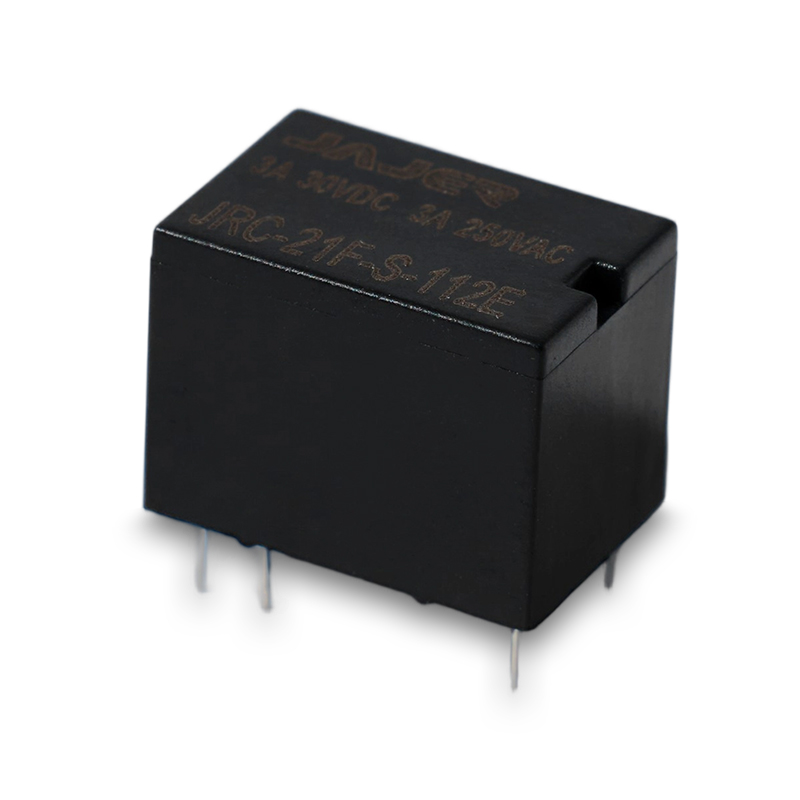
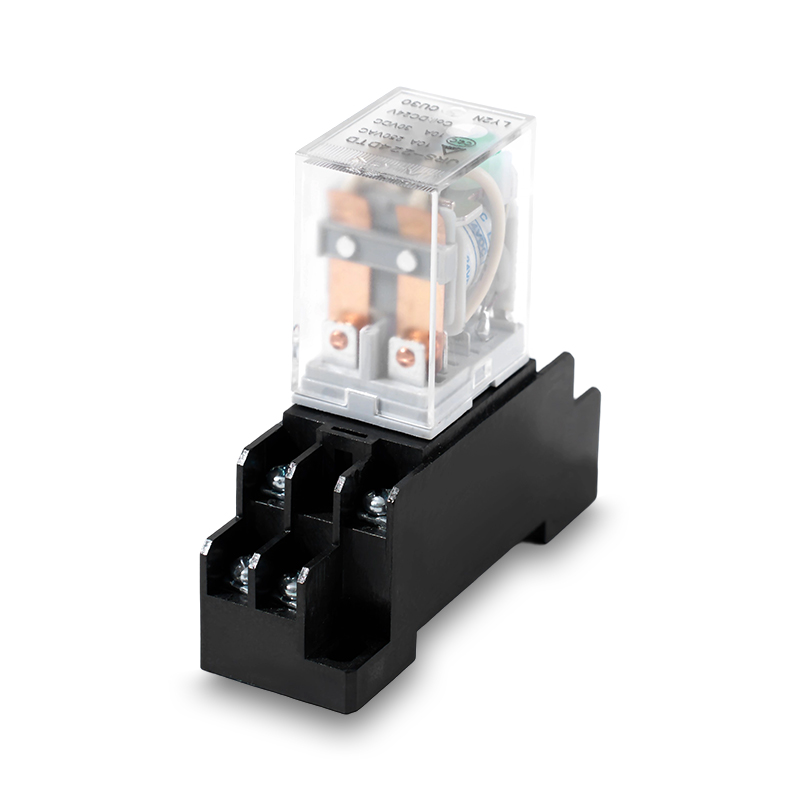
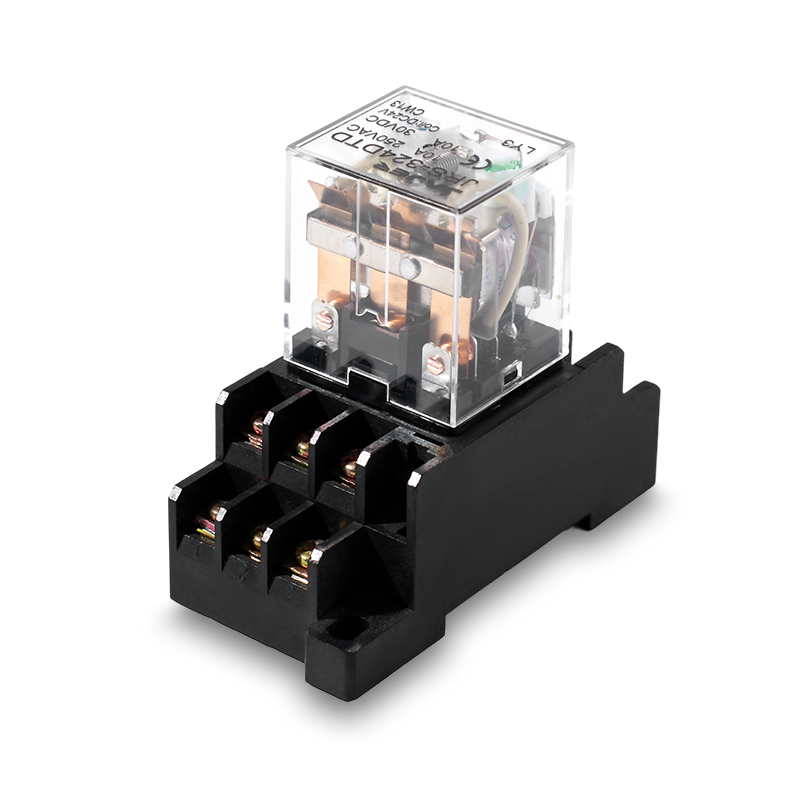
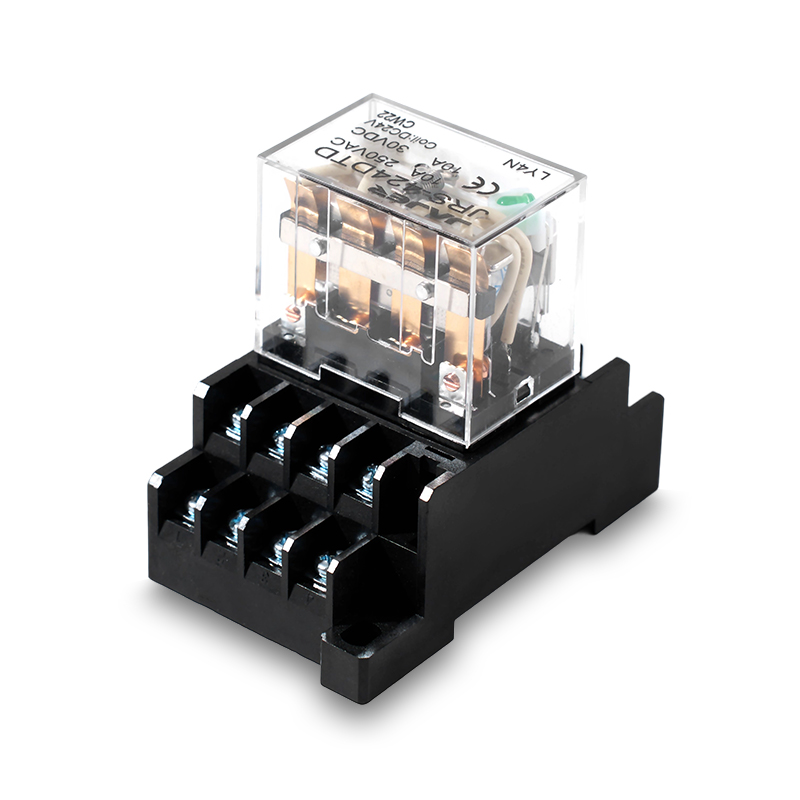
In industrial automation, communication equipment, testing systems, and electronic control devices, even a minor signal interruption can affect the operation of an entire system. Unstable switching, poor contact performance, and electrical compatibility issues are common concerns for equipment manufacturers and control system integrators. A suitable Signal Relay helps maintain reliable signal transmission while providing electrical isolation between control and switching circuits. For procurement teams and engineers, understanding these potential problems is an important step when selecting relay components for new equipment or replacement projects.
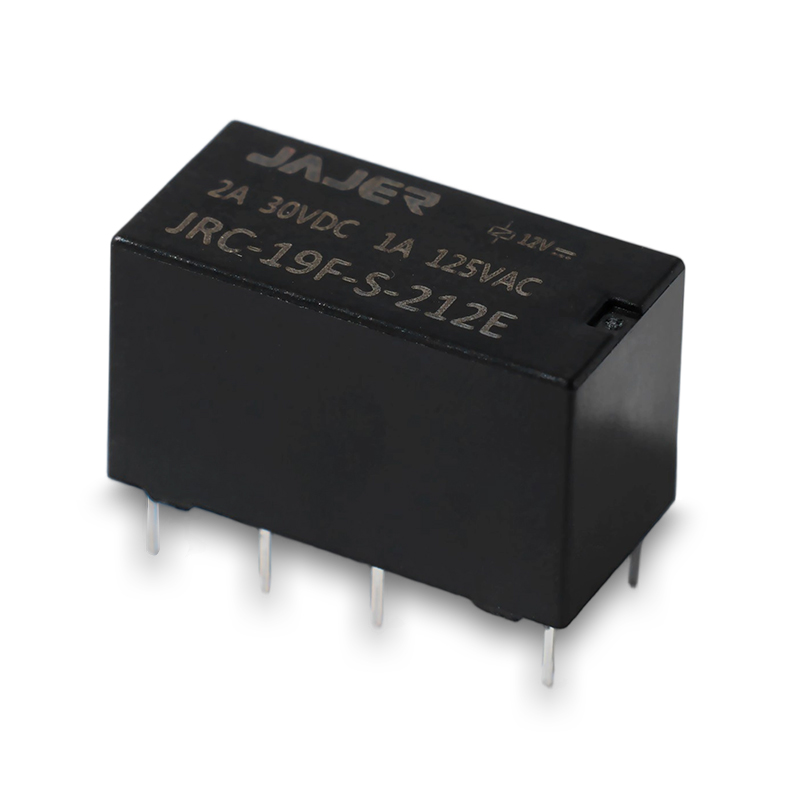
One common issue in signal switching is unstable contact performance under low electrical loads. Unlike conventional power switching, signal circuits may operate with very small currents. Certain contact materials can develop surface contamination or oxidation, increasing contact resistance and causing intermittent signal transmission.
When selecting a relay for low-level applications, engineers should pay attention to:
As a manufacturer, we pay attention to contact consistency during component selection and production. Matching contact characteristics with the actual switching conditions helps reduce compatibility problems during equipment operation.
The relay coil must match the control voltage supplied by the connected equipment. If the operating voltage is outside the specified range, the relay may fail to activate correctly or experience unstable operation.
For equipment manufacturers, checking coil specifications before purchasing is particularly important when integrating relays into PLC control panels, automation boards, and electronic devices. AC and DC coil versions should also be distinguished clearly, as they are not interchangeable.
Providing accurate coil voltage specifications helps purchasing teams avoid unnecessary replacements and assembly delays.
Different applications require different contact arrangements. Single-pole and double-pole configurations, as well as normally open and normally closed contacts, determine how signals are transferred between circuits.
For example, industrial monitoring equipment may require independent switching paths, while communication devices may need specific contact arrangements to manage signal routing.
Buyers should confirm the number of poles, contact form, terminal layout, and installation requirements before placing bulk orders. This also helps engineers maintain consistency across different equipment models.
Signal relays are frequently used to separate low-voltage control circuits from other electrical circuits. Proper isolation helps prevent unwanted electrical interaction and protects sensitive control components from certain switching disturbances.
However, insulation performance should not be evaluated through appearance alone. Engineers need to review insulation resistance, dielectric strength, and the rated voltage between the coil and contacts.
During manufacturing, these electrical characteristics deserve attention alongside mechanical assembly quality. Consistent inspection helps ensure that finished products meet their specified electrical requirements.
Repeated switching places continuous demands on internal contacts, moving components, and connection terminals. Mechanical wear, contact bounce, and loose connections may eventually affect signal stability.
The operating environment also matters. Temperature changes, vibration, dust, and installation conditions can influence relay performance.
For equipment manufacturers, evaluating the expected switching frequency and working environment before selecting a relay can help avoid premature component replacement.
For distributors and OEM buyers, product consistency across production batches is an important purchasing consideration. Differences in coil characteristics, contact resistance, or terminal assembly can create difficulties during mass production.
Our manufacturing approach focuses on several important inspection points:
Clear technical documentation and consistent inspection procedures also make it easier for overseas buyers to evaluate components before confirming repeat orders.
A relay suitable for one electronic device may not necessarily meet the requirements of another. Before selecting a supplier, buyers should provide the intended application, control voltage, switching load, contact arrangement, mounting method, and operating environment.
These details help manufacturers identify suitable product specifications and assess customization requirements. They also reduce communication gaps between engineering, purchasing, and production departments.
As automation equipment and electronic control systems become increasingly interconnected, dependable signal switching remains an important part of equipment design. Selecting a suitable Signal Relay based on actual electrical and mechanical requirements helps manufacturers maintain consistent assembly quality and reduce avoidable maintenance issues.
Quick Contact
Yueshang Innovation Park, Wengyang Street, Yueqing City, Zhejiang, China
Pages
Products
Stay In Touch
If you have any questions or need help, feel free to contact with our team.

Power distribution electromagnetic relay manufacturers