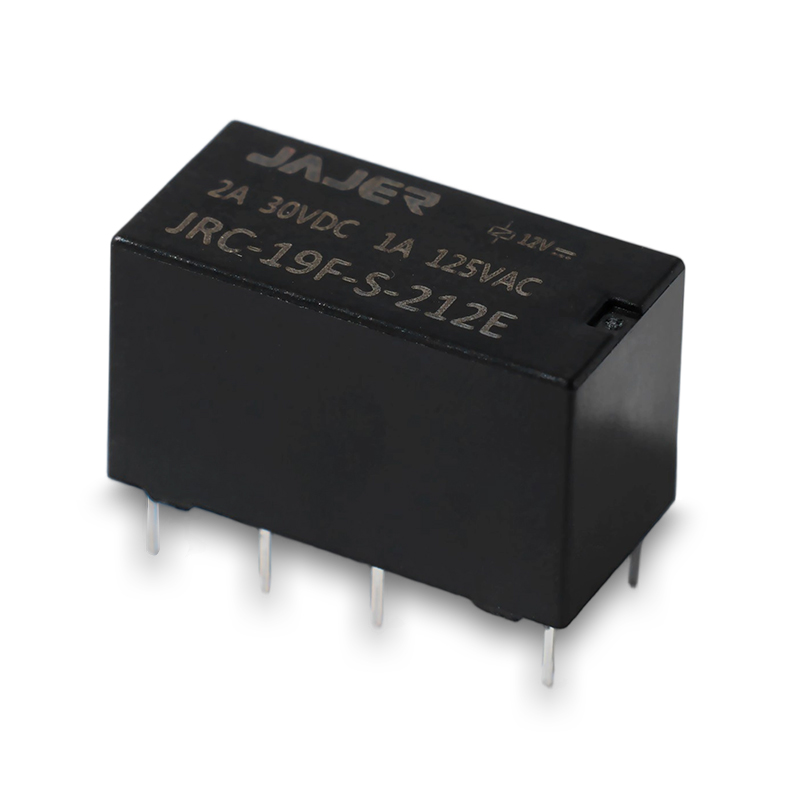
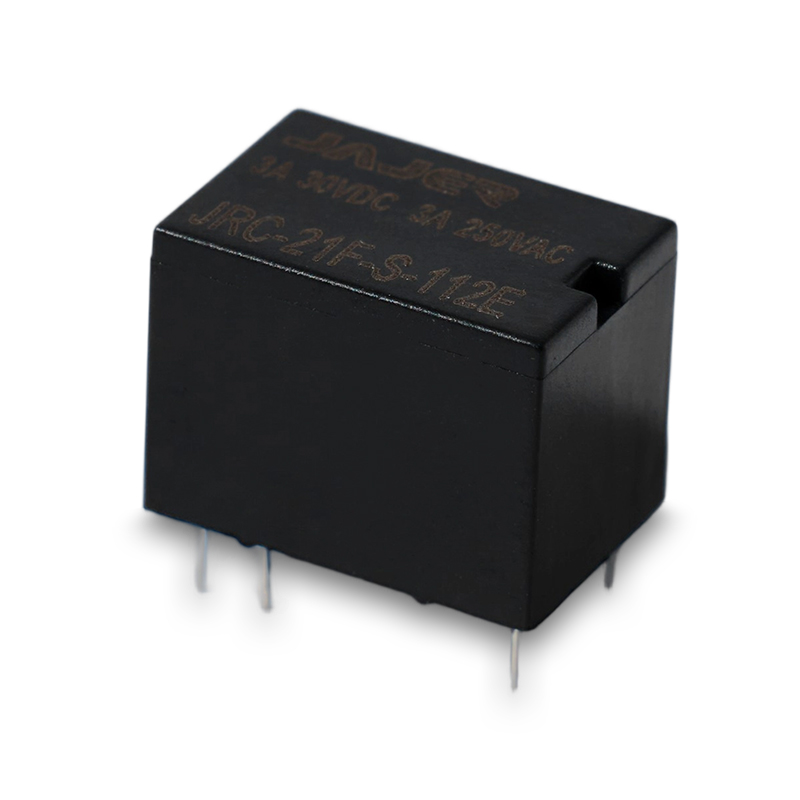
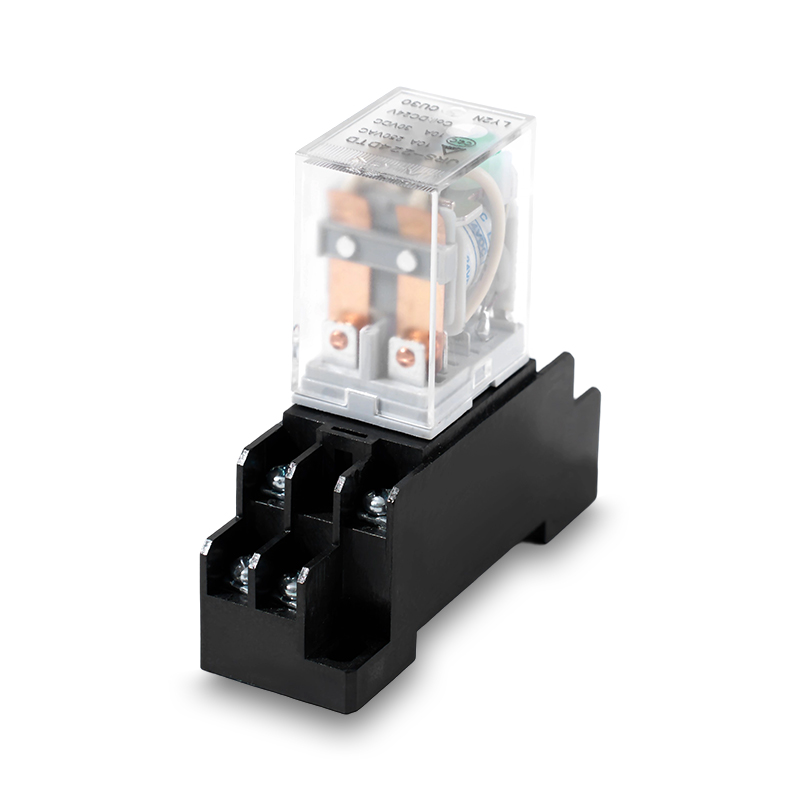
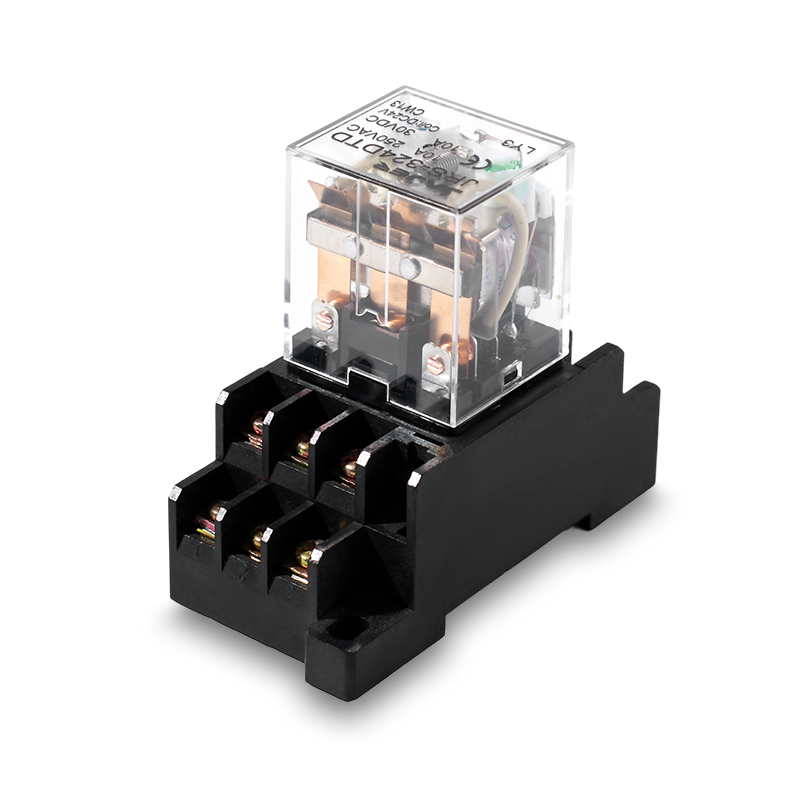
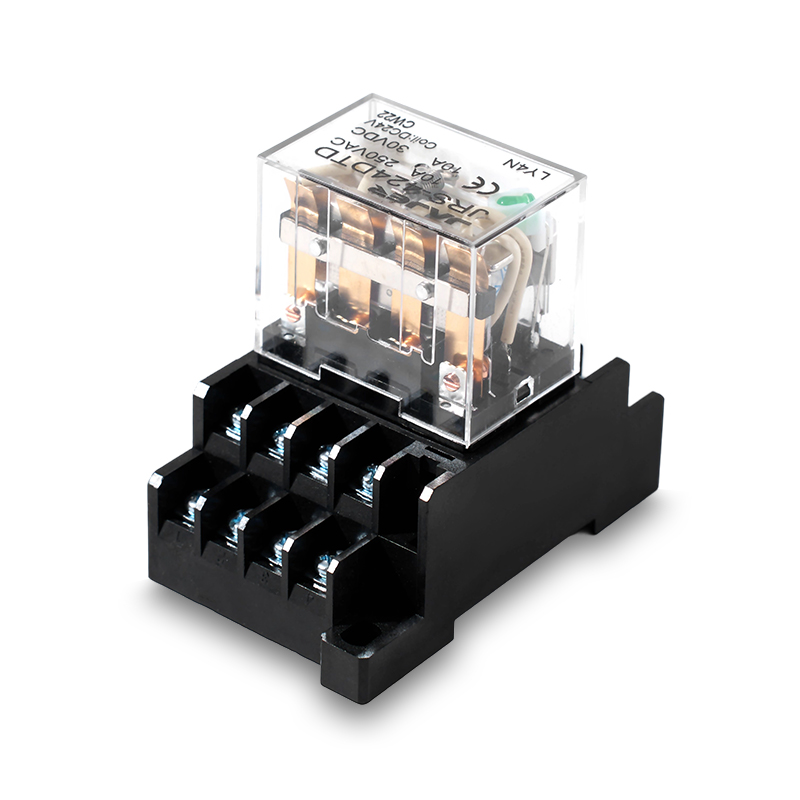
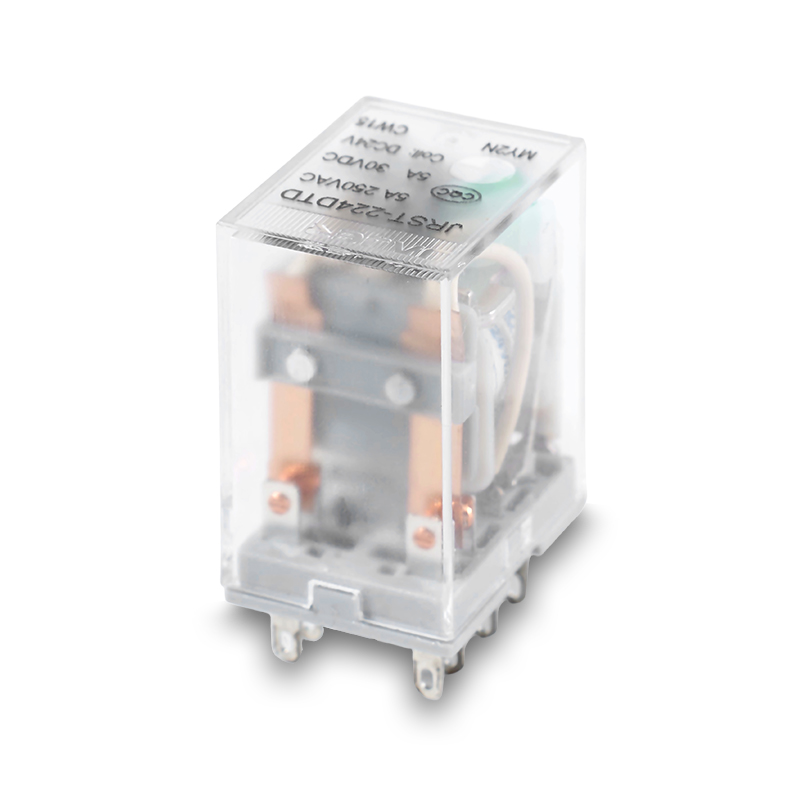
An Industrial Control Relay may appear simple to replace, but choosing an incompatible model can introduce new faults into an otherwise stable automation system. Maintenance teams often face this challenge when an original component is discontinued, spare parts are unavailable, or an existing control cabinet needs modification. The replacement must do more than fit the mounting position; it must also meet the circuit's electrical requirements and perform the intended switching function. As a manufacturer, we encourage customers to verify application details before approving an alternative.
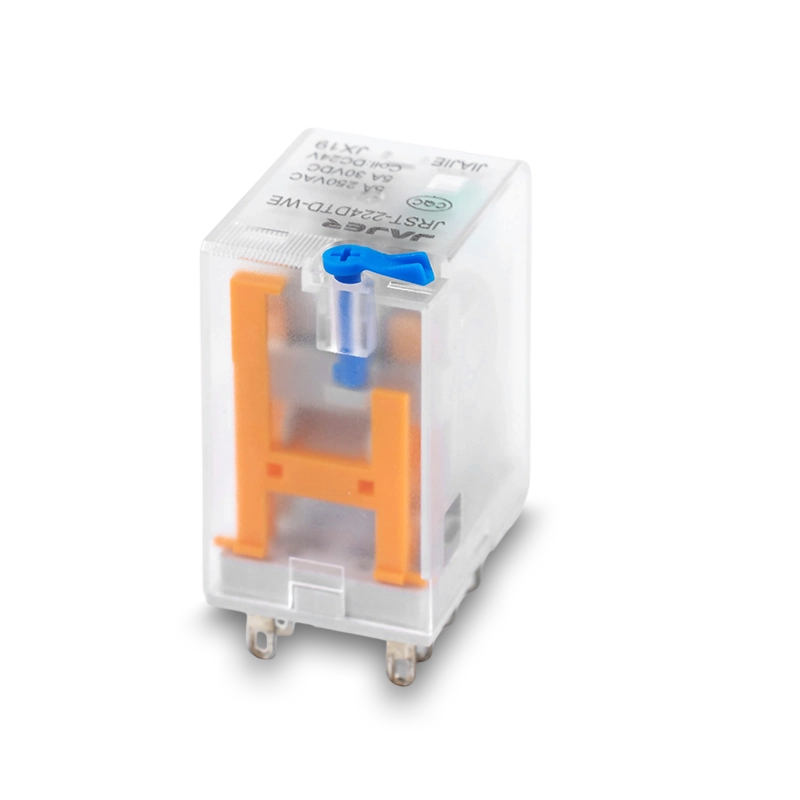
The first step is to identify the original relay's essential electrical characteristics. A similar product name or appearance does not guarantee compatibility, particularly when coil voltage and contact ratings differ.
When evaluating a replacement, review the following details:
These checks give purchasing teams a clear basis for comparing products and help prevent unsuitable components from reaching the assembly line.
Rated current is important, but it does not describe every condition a relay may encounter. Motors, electromagnetic valves, and other inductive loads can produce electrical stress during switching. A replacement that appears suitable under normal operating current may not be appropriate for the actual load.
Engineers should examine the equipment's starting characteristics, switching duty, and manufacturer's recommendations. If the relay controls a demanding load, additional protective measures or a different switching arrangement may be necessary. Reviewing the complete application helps avoid repeated contact damage and unnecessary maintenance.
A replacement relay can have different terminal assignments even when its external dimensions resemble those of the original. Connecting wires according to the old layout without checking the new product's diagram can lead to incorrect operation or equipment faults.
Before installation, compare the terminal markings, coil connections, and normally open or normally closed contact functions. Update the wiring documentation whenever a substitution changes the circuit arrangement. For machine builders managing multiple equipment versions, keeping model-specific records can reduce confusion during assembly and future service.
A failed relay may be a symptom of a wider electrical problem rather than the only cause of a machine stoppage. Unstable control voltage, loose connections, excessive heat, or an unsuitable load can contribute to repeated failures.
Replacing the component without examining these conditions may allow the same fault to return. Maintenance personnel should inspect the surrounding circuit, review the operating history, and test the control supply as appropriate. Electrical inspections must be performed by qualified personnel using the equipment's required safety procedures.
Control cabinets vary in temperature, ventilation, vibration, and exposure to dust or moisture. These factors can influence which relay is suitable for a particular installation.
When sourcing an Industrial Control Relay, check the product's permitted operating conditions and mounting requirements. Review cabinet spacing, terminal accessibility, and nearby heat-generating components as part of the selection process. Where environmental exposure is a concern, confirm that the relay and enclosure provide the protection required by the application.
Keeping replacement relays available can help maintenance teams respond to unexpected failures, but stocking the wrong model creates another problem. Similar-looking components may have different coil ratings, contact arrangements, or mounting requirements.
A useful spare parts register should record the approved model, relevant electrical specifications, equipment reference, and any permitted alternatives. Purchasing teams can use this information to standardize suitable components across compatible machines without assuming that one model fits every application.
Selecting an Industrial Control Relay replacement requires a clear understanding of the original circuit and its operating conditions. As a manufacturer, we recommend sharing the existing model information, wiring diagram, load details, coil requirements, and installation constraints when requesting product recommendations. This allows the proposed component to be assessed against the actual application rather than appearance alone. Careful verification helps machine builders, maintenance teams, and industrial distributors reduce sourcing errors and support dependable control system operation.
Quick Contact
Yueshang Innovation Park, Wengyang Street, Yueqing City, Zhejiang, China
Pages
Products
Stay In Touch
If you have any questions or need help, feel free to contact with our team.

Power distribution electromagnetic relay manufacturers



 English
 русский
 Español