English
 русский
 Español
Home / News / Industry News / Preventing Unplanned Machine Stops With Better Industrial Control Relay Coordination
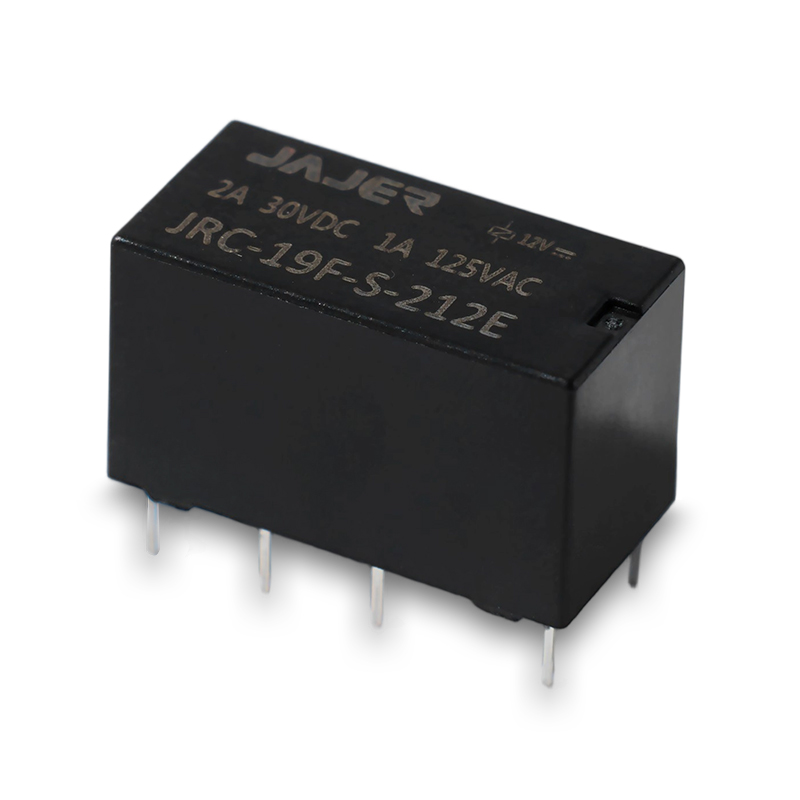
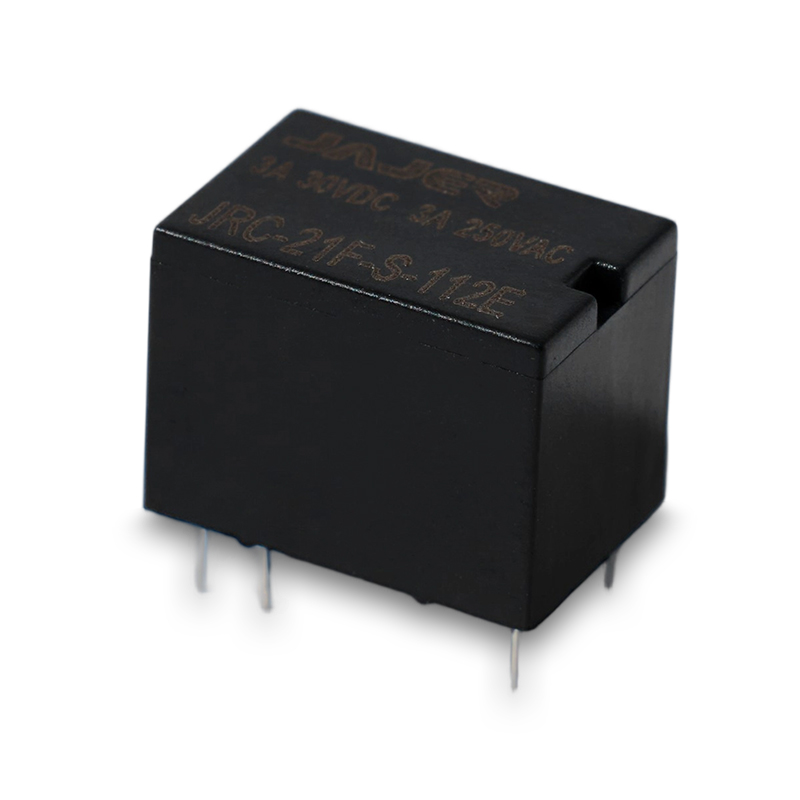
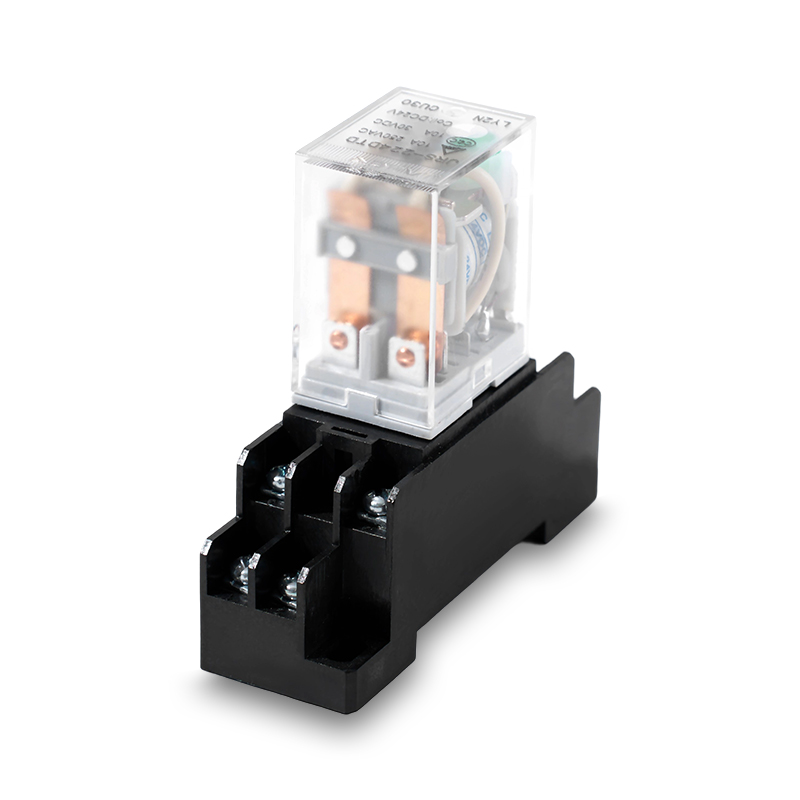
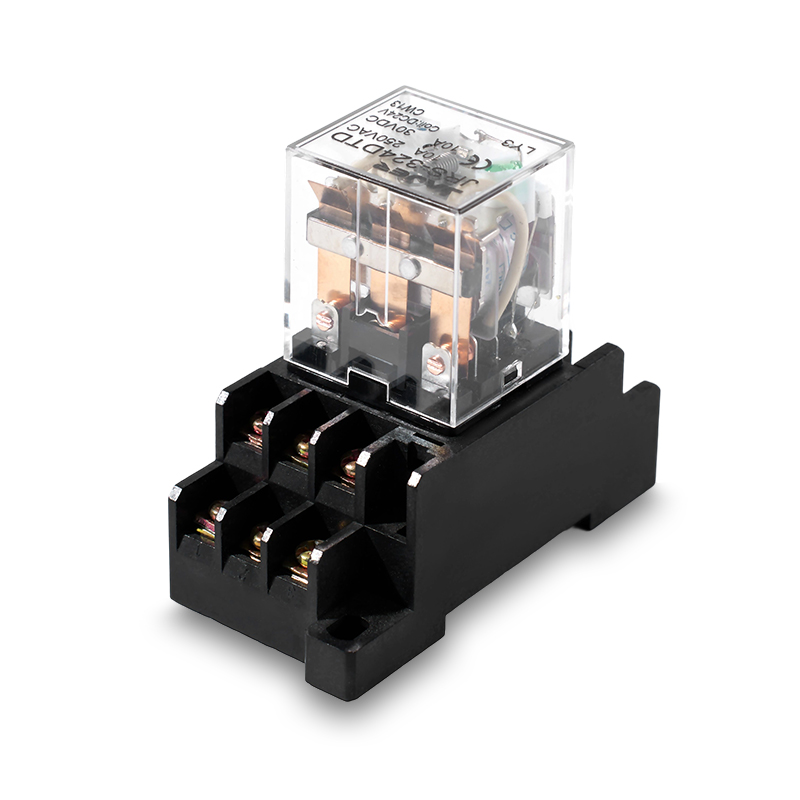
An Industrial Control Relay can affect the reliability of an entire machine, even though it occupies only a small space inside a control cabinet. In production environments, unexpected stops may occur when relays switch inconsistently, respond poorly to control signals, or fail to match the connected equipment. For machine builders and maintenance teams, addressing these issues starts with understanding how the relay works within the complete control circuit. As a manufacturer, we focus on practical selection and application details that help customers build dependable control systems.
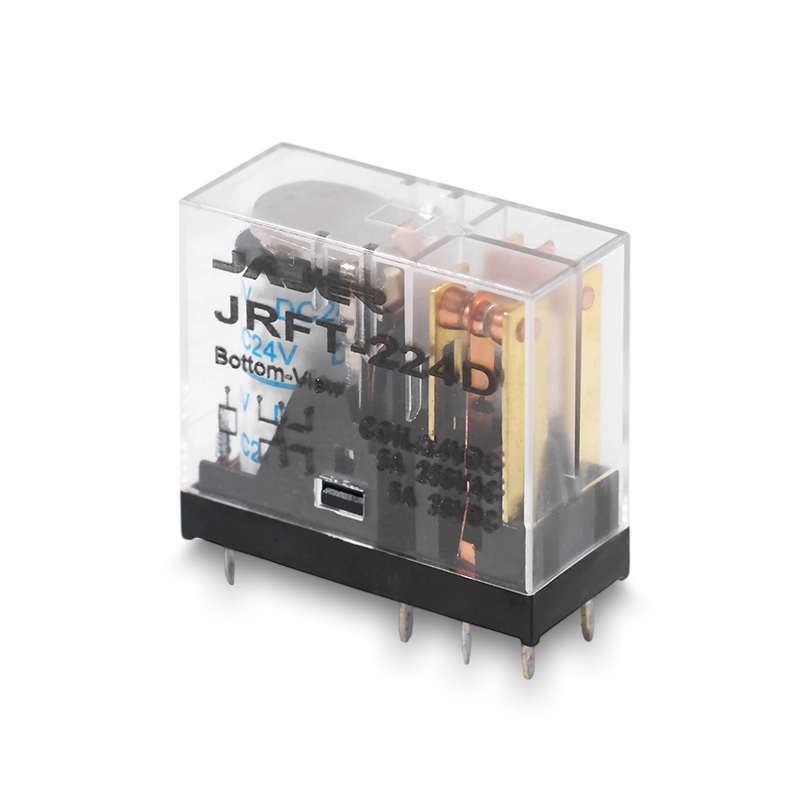
Before replacing a relay, engineers should identify the exact function it performs. Some relays switch motors or auxiliary equipment through a control circuit, while others handle signals between sensors, controllers, and operating devices. These applications may require different contact arrangements and electrical characteristics.
A relay that fits physically may still be unsuitable for the intended circuit. Reviewing the electrical drawing, coil rating, contact configuration, and connected load helps prevent incorrect substitutions. This step is particularly useful when maintaining older machinery with incomplete component records.
Intermittent operation does not always mean the relay itself is defective. A weak control signal, loose terminal, unstable power supply, or damaged wire can produce similar symptoms. Replacing the component without checking these possibilities may leave the original problem unresolved.
During troubleshooting, maintenance personnel can inspect wiring connections, measure the coil supply under operating conditions, and observe whether the relay responds correctly to the control command. Following the equipment manufacturer's safety procedures is essential before opening a cabinet or testing an energized circuit.
Relays used in frequently cycled machinery experience repeated electrical and mechanical operations. Packaging equipment, conveyor systems, and assembly machines may place different demands on switching components depending on their operating sequences and connected loads.
When selecting an Industrial Control Relay, consider the expected switching frequency, load type, ambient temperature, and required service life. Contact ratings should be evaluated against the actual application rather than treated as a single current figure. For demanding inductive loads, engineers should also review the need for suitable arc suppression or other protective measures.
Incorrect contact selection can create control logic problems even when the replacement relay energizes normally. Normally open and normally closed contacts serve different purposes, and the distinction matters in machine sequencing, status indication, and interlocking circuits.
Before ordering replacement components, confirm the required number and arrangement of contacts. Compare terminal markings and wiring diagrams instead of relying on appearance alone. For OEM equipment manufacturers, maintaining an approved component list can simplify assembly, reduce sourcing errors, and make future service work easier.
Relays operate within the wider environment of the electrical enclosure. Heat from power supplies, drives, and neighboring components can affect the operating conditions around a relay. Crowded wiring, poor ventilation, and insecure mounting may also complicate inspection and maintenance.
We recommend checking the cabinet layout alongside relay specifications. Allow the clearances required by the product documentation, secure the component using its intended mounting method, and keep terminals properly connected. Where dust, moisture, or vibration is present, verify that the selected relay and enclosure arrangements are appropriate for the environment.
Unplanned downtime becomes harder to manage when replacement parts are difficult to identify. Maintenance teams may encounter different relay models across machines that perform similar functions, increasing the chance of ordering an unsuitable component.
A practical spare parts record should include the relay model, coil voltage, contact arrangement, relevant ratings, mounting details, and the machine in which it is installed. Purchasing teams can use this information to compare alternatives before placing an order. Any proposed substitution should be checked for electrical and functional compatibility rather than approved solely because the dimensions match.
Choosing an Industrial Control Relay is easier when the supplier understands the equipment and switching task. As a manufacturer, we encourage machine builders, control panel integrators, and industrial distributors to provide clear application information, including control voltage, load type, contact requirements, installation conditions, and expected operating frequency. These details help establish whether a proposed relay is appropriate for the intended circuit. Careful specification review supports more reliable integration, clearer purchasing decisions, and a practical maintenance strategy throughout the equipment's service life.
Quick Contact
Yueshang Innovation Park, Wengyang Street, Yueqing City, Zhejiang, China
Pages
Products
Stay In Touch
If you have any questions or need help, feel free to contact with our team.

Power distribution electromagnetic relay manufacturers