English
 русский
 Español
Home / News / Industry News / Reducing Control Panel Faults Through Proper Industrial Control Relay Selection
An Industrial Control Relay plays an important role in keeping control panels, automated production lines, and electrical equipment operating reliably. When a machine stops unexpectedly, the cause may not be a major component failure. A relay that is poorly matched to the load, exposed to electrical interference, or installed under unsuitable conditions can also contribute to intermittent faults. As a manufacturer, we encourage engineers and maintenance teams to evaluate relay selection alongside the actual operating conditions to reduce troubleshooting time and avoid unnecessary component replacement.
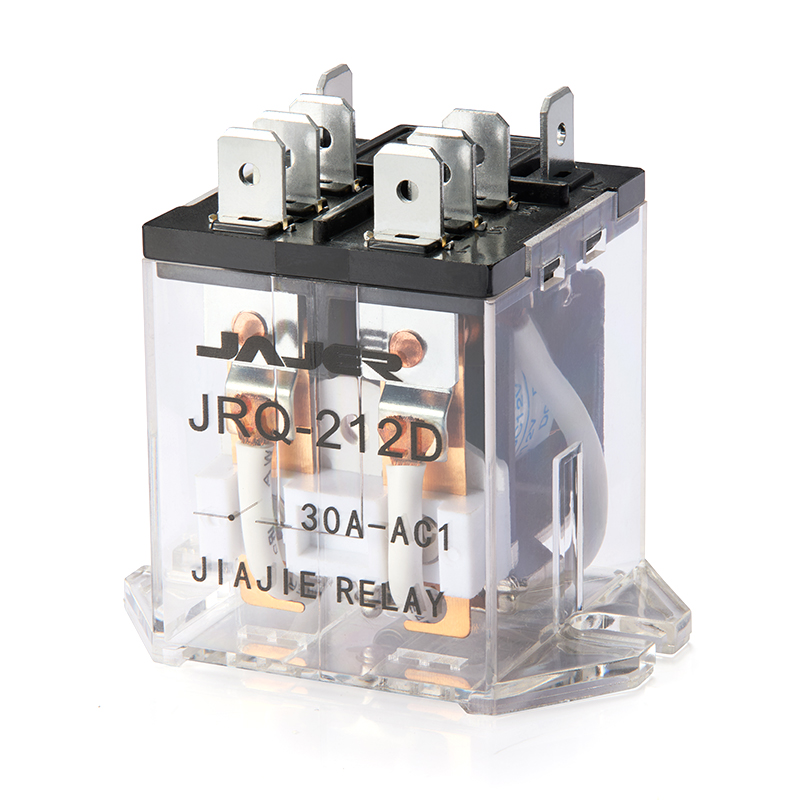
One common selection mistake is choosing a relay based only on its rated current. The electrical characteristics of the connected load also matter. Motors, solenoid valves, and resistive heaters place different demands on relay contacts, particularly during switching.
Before selecting a replacement, engineers should review:
An Industrial Control Relay must be suitable for the real switching task, not simply fit the available mounting space.
Burned, pitted, or welded contacts can interrupt normal machine operation. These problems may result from excessive inrush current, electrical arcing, or switching loads beyond the relay's intended application. Replacing the relay without identifying the underlying cause can lead to repeated maintenance work.
Our approach is to check the load characteristics, wiring connections, and switching conditions before recommending a replacement. Where the application involves inductive loads, engineers should also assess whether appropriate suppression components are needed. Corrective action depends on the circuit design and the equipment manufacturer's instructions.
A relay coil needs a suitable control voltage to operate consistently. Voltage drops, unstable power supplies, or incorrect coil ratings can cause unreliable pickup and release. In automated equipment, these symptoms may appear as occasional control failures that are difficult to reproduce during inspection.
When specifying a relay, confirm that its coil voltage matches the control circuit and that the available supply remains within the permitted operating range. For existing installations, measuring voltage at the coil during operation can help distinguish a relay fault from a wider control-power problem.
Industrial maintenance teams often replace relays in established control panels rather than redesigning the entire system. In these situations, compatibility involves more than dimensions. Coil specifications, contact arrangements, terminal layouts, and mounting methods all need to match the application.
We recommend comparing the original component's specifications with the proposed replacement before installation. Engineers should also check wiring diagrams and control logic to ensure that normally open and normally closed contacts perform the intended functions. This is particularly important when a relay is used in interlocking or sequencing circuits.
Control cabinets can expose relays to heat generated by adjacent components, airborne dust, vibration, and electrical noise. These conditions may affect operating stability or shorten service life when the selected component is unsuitable for its environment.
A practical inspection should cover cabinet ventilation, mounting security, terminal tightness, and separation between sensitive control wiring and power circuits where appropriate. Selecting a relay with suitable environmental and electrical characteristics helps align component performance with the conditions found on the factory floor.
Routine checks can help maintenance personnel detect developing problems before they cause extended downtime. Rather than replacing every relay according to an arbitrary schedule, maintenance teams can combine operating history with condition-based inspection.
Useful checks include:
These records also help purchasing teams maintain consistent spare parts and reduce the risk of ordering incompatible alternatives.
Selecting an Industrial Control Relay involves balancing electrical requirements, installation constraints, operating conditions, and maintenance needs. As a manufacturer, we focus on helping customers identify the relevant specifications before confirming a suitable product. Clear application details allow our team to assess coil requirements, contact configuration, mounting compatibility, and intended switching duties. For equipment builders, panel manufacturers, and industrial distributors, this process supports more informed sourcing decisions and helps reduce avoidable compatibility issues during installation and future maintenance.
Quick Contact
Yueshang Innovation Park, Wengyang Street, Yueqing City, Zhejiang, China
Pages
Products
Stay In Touch
If you have any questions or need help, feel free to contact with our team.

Power distribution electromagnetic relay manufacturers