English
 русский
 Español
Home / News / Industry News / Industrial Control Relay Selection Gains Importance in Control Cabinet Upgrades
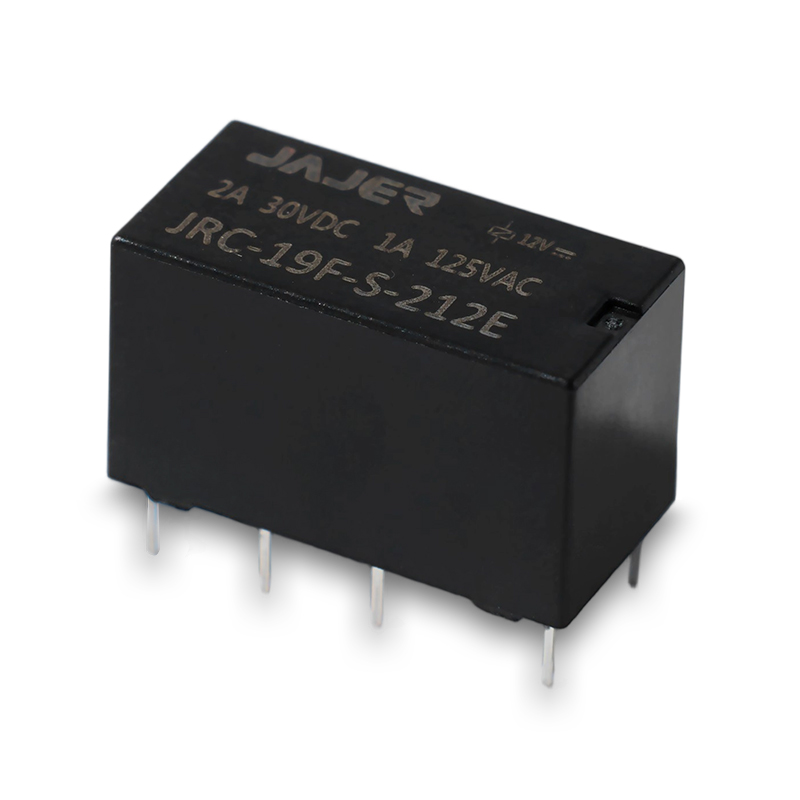
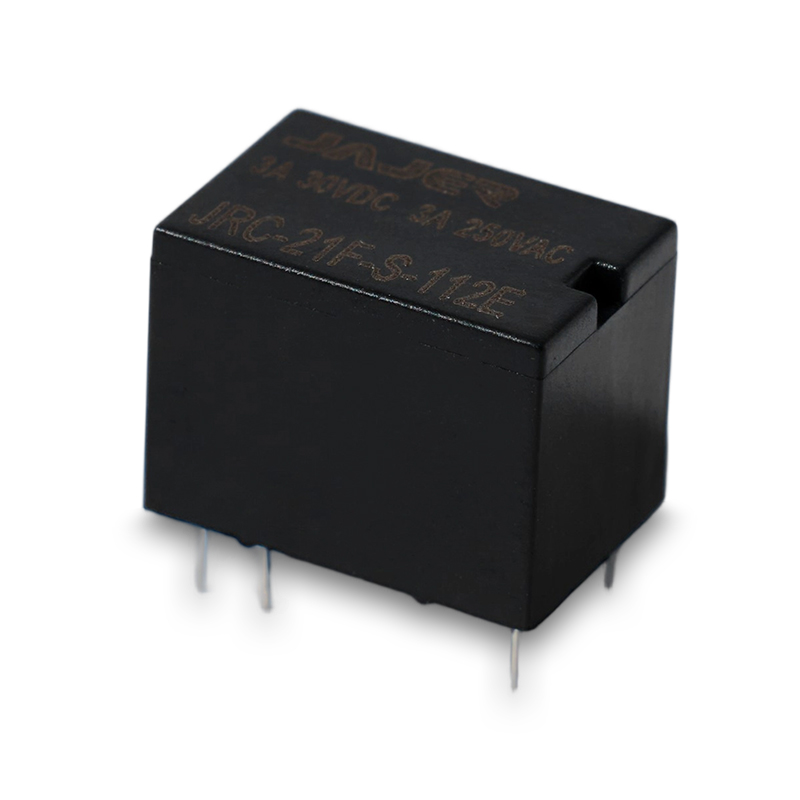
Industrial Control Relay selection has become an important consideration when manufacturers upgrade existing control cabinets or redesign electrical panels for new automation equipment. Replacing a relay is not simply a matter of matching dimensions or nominal current. Engineers also need to examine PLC output compatibility, switching loads, wiring arrangements, installation space, and maintenance requirements. A more detailed selection process can help prevent avoidable commissioning issues and make future servicing easier.
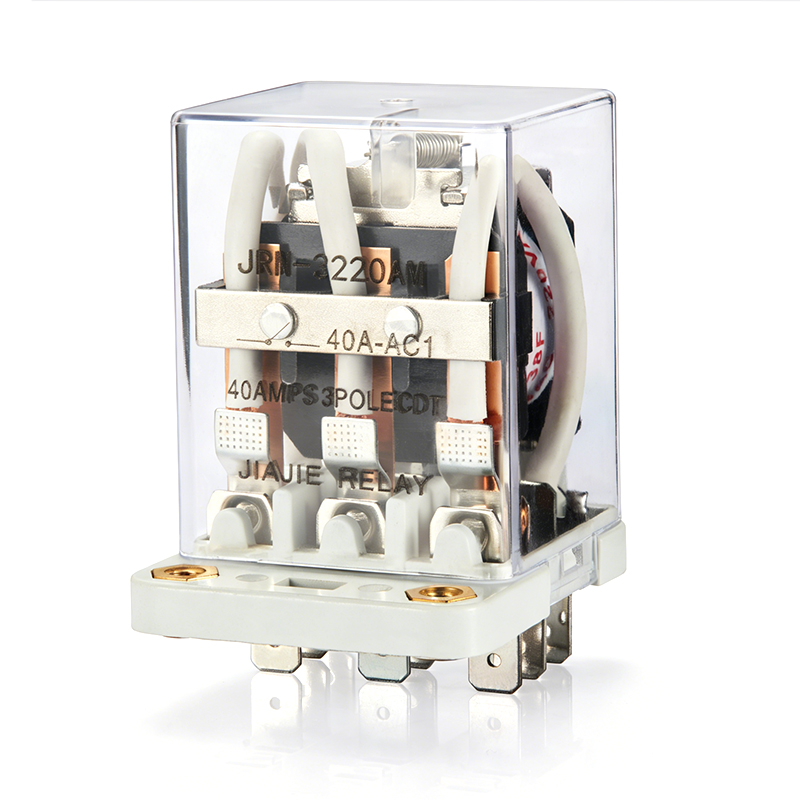
Before changing a relay, engineers should document how the existing component is being used. The coil voltage, contact configuration, connected load, and wiring method provide a practical starting point for replacement. Older machines may also contain field modifications that are not fully reflected in original drawings. Checking the actual cabinet against available electrical documentation can therefore prevent an unsuitable relay from being specified during an upgrade project.
The relay coil forms the interface between the control system and the switching component. In PLC-based equipment, the PLC output must be capable of driving the selected coil under normal operating conditions. Engineers should verify the control voltage, AC or DC type, coil current, output configuration, and polarity requirements where applicable.
For many automation projects, 24V DC control circuits are common, but the correct Industrial Control Relay still depends on the characteristics of the specific PLC output and control architecture.
Contact performance depends heavily on the load being switched. A resistive load behaves differently from a motor contactor, solenoid valve, or other inductive device. Inductive loads can generate voltage transients when de-energized, placing additional stress on relay contacts.
During specification, procurement teams should provide the manufacturer with:
This information gives the manufacturer a clearer basis for confirming relay suitability.
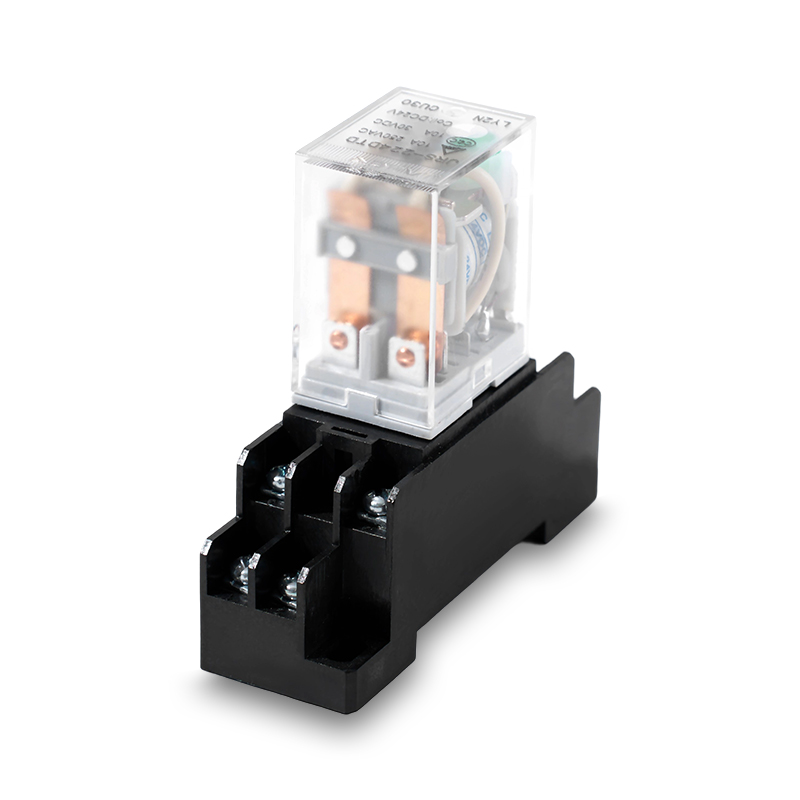
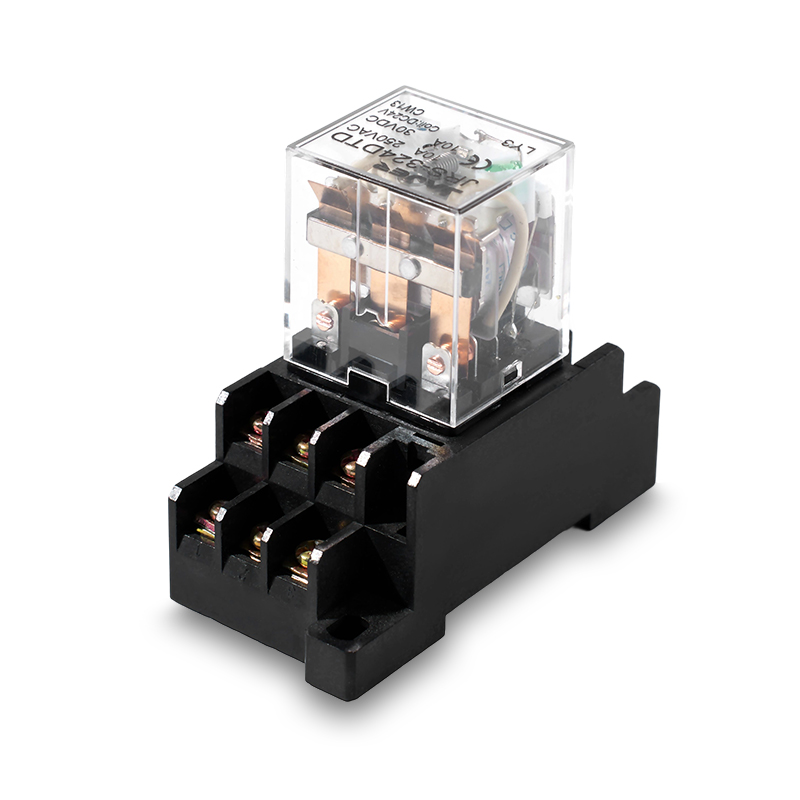
Control cabinet upgrades often involve adding functions without significantly changing the available enclosure space. Relay dimensions, socket design, DIN rail compatibility, terminal access, and wiring direction can therefore affect the overall panel arrangement.
A relay that meets the electrical requirements may still create installation difficulties if its terminals are difficult to access or its socket arrangement conflicts with existing wiring. Reviewing mechanical and electrical requirements together can make cabinet modifications more predictable.
Maintenance teams benefit when relay replacement can be completed without unnecessary rewiring. Plug-in socket arrangements can allow technicians to remove the relay while leaving field wiring connected to the socket. Clear identification and consistent component placement can further reduce troubleshooting time.
For equipment produced in multiple configurations, using compatible relay families can also help OEMs standardize spare-parts management across different control panels.
A replacement relay may look almost identical to the original while having a different coil specification, contact arrangement, pin configuration, or load capability. This can create problems during installation or commissioning.
For this reason, buyers should compare the complete electrical and mechanical specification instead of relying on housing size or visual similarity. Manufacturers can also review application details before confirming a substitute component.
From a manufacturing perspective, Industrial Control Relay selection should reflect the complete control-panel application rather than one isolated parameter. Suppliers that can support coil options, contact configurations, mounting solutions, sockets, and technical documentation can help OEMs and industrial buyers make more informed component decisions. For control cabinet upgrades, evaluating the relay together with the PLC, load, wiring, and maintenance environment provides a practical route toward reliable integration and easier long-term servicing.
Quick Contact
Yueshang Innovation Park, Wengyang Street, Yueqing City, Zhejiang, China
Pages
Products
Stay In Touch
If you have any questions or need help, feel free to contact with our team.

Power distribution electromagnetic relay manufacturers