English
 русский
 Español
Home / News / Industry News / Enhancing Factory Automation Reliability with Advanced Industrial Control Relay Solutions
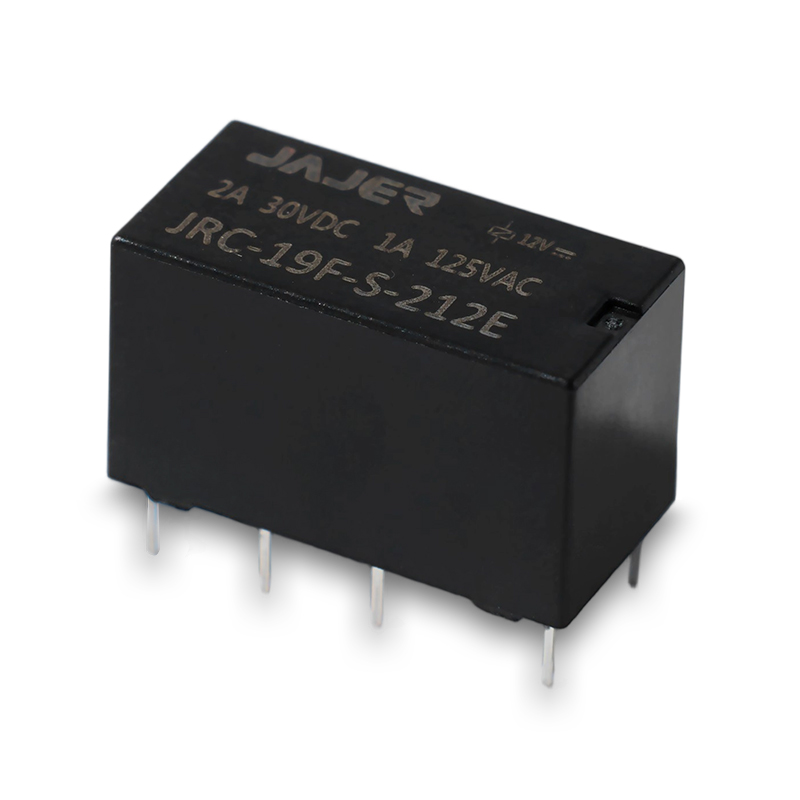
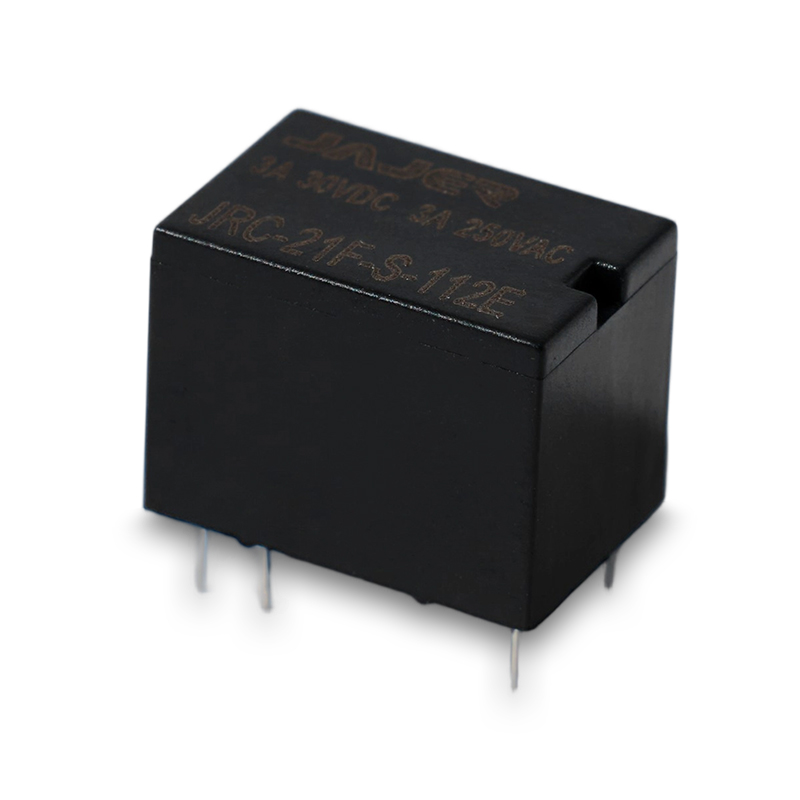
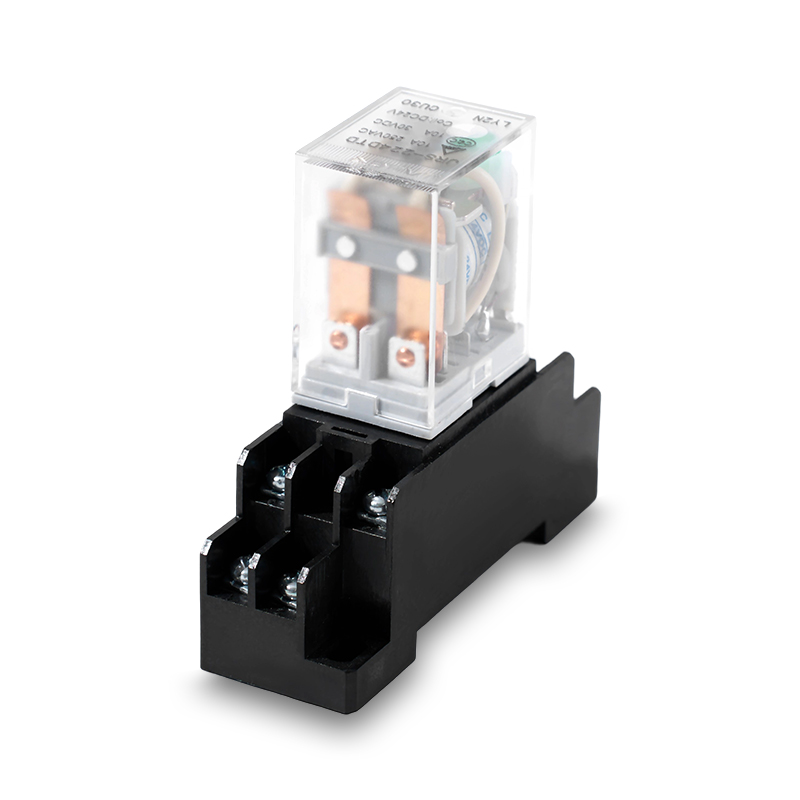
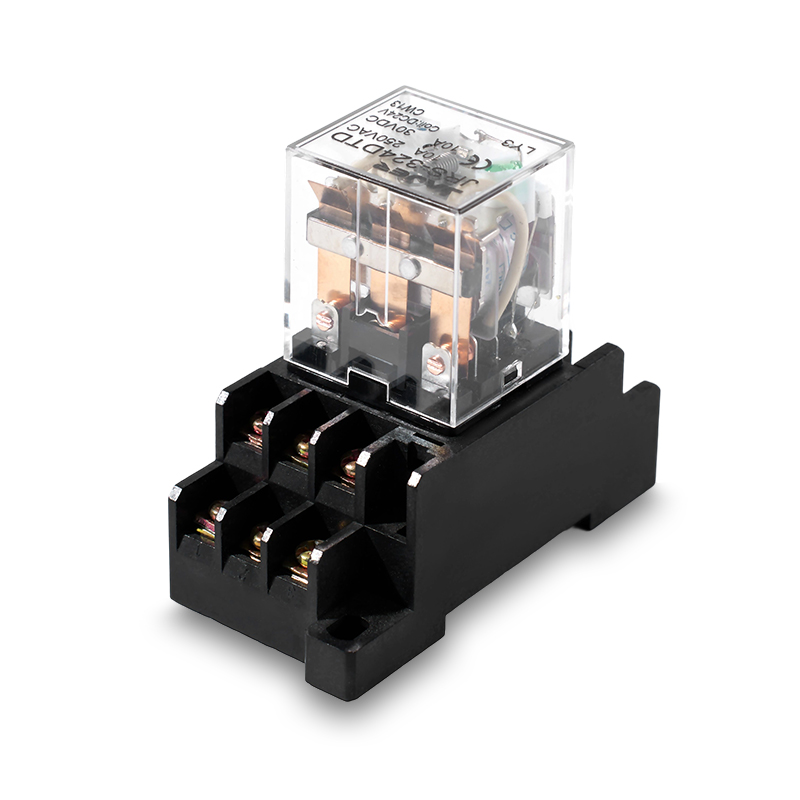
As industrial automation continues to develop, manufacturers and system integrators are paying closer attention to the reliability of electrical control components. Production machinery, conveyor systems, packaging equipment, and process control units all depend on stable signal switching and dependable circuit management. As a professional manufacturer, we focus on practical relay solutions that help engineers build reliable control systems while making installation and maintenance more manageable. For overseas buyers, the selection of an Industrial Control Relay has become an important part of equipment design and long-term system planning.
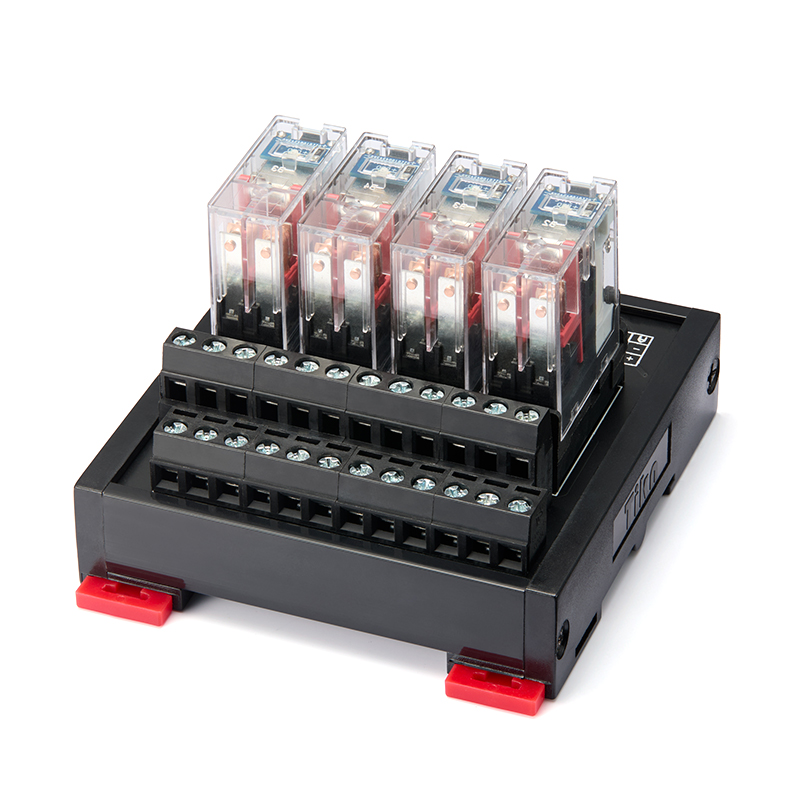
Industrial machinery often operates through repeated control signals, making relay stability an important consideration during equipment design. A suitable relay needs to work consistently with the control circuit and connected load while maintaining dependable switching performance.
For machinery manufacturers, unstable relay operation can create unnecessary troubleshooting work and interrupt normal equipment operation. Selecting a relay according to the actual electrical conditions helps reduce compatibility problems and supports smoother machine control.
Control cabinet space is often limited, particularly in compact automation equipment. Engineers therefore need components that can be integrated into existing layouts without making wiring and maintenance unnecessarily complicated.
An effective relay solution should consider installation method, terminal arrangement, electrical compatibility, and accessibility during servicing. These details may appear small during the design stage, but they can make a noticeable difference when equipment is assembled, tested, and maintained in the field.
Factories are increasingly connecting machines, sensors, controllers, and monitoring systems into coordinated production environments. Relays remain useful within these systems because they provide a practical interface between control signals and electrical loads.
Applications can include:
For equipment builders, dependable relay performance helps maintain consistent communication between control circuits and operating components.
Relay problems are not always caused by product quality alone. Incorrect electrical matching, unsuitable operating conditions, or insufficient consideration of the application can also affect system performance.
Engineers should review several points before selecting a relay, including the load type, control voltage, switching requirements, installation environment, and available cabinet space. Taking these factors into account helps prevent avoidable compatibility issues and makes future maintenance easier.
OEM machinery often requires electrical components that fit a specific control architecture. Standard products may not always meet every installation or configuration requirement, particularly when equipment is designed for different markets or operating environments.
As a manufacturer, we work with equipment builders and industrial buyers to provide relay solutions based on their application requirements. Product structure, electrical configuration, installation method, and other technical details can be considered during the development process, helping customers integrate relays into their own equipment more efficiently.
For overseas buyers, sourcing industrial control components involves more than comparing product specifications. Consistent manufacturing processes, quality inspection, technical communication, and stable supply are also important for long-term cooperation.
Our manufacturing approach focuses on maintaining consistent production standards while supporting the practical requirements of international equipment manufacturers, distributors, and automation integrators. This allows customers to develop control systems around dependable components and maintain greater consistency across different equipment projects.
As automation equipment becomes more connected and application requirements become more specific, relay selection remains an important part of electrical system design. A properly matched Industrial Control Relay can support stable switching, practical cabinet integration, and dependable machine operation. By working with an experienced manufacturer and evaluating relay requirements according to the actual application, overseas buyers and engineers can develop control solutions that are easier to install, maintain, and adapt to changing industrial needs.
Quick Contact
Yueshang Innovation Park, Wengyang Street, Yueqing City, Zhejiang, China
Pages
Products
Stay In Touch
If you have any questions or need help, feel free to contact with our team.

Power distribution electromagnetic relay manufacturers