English
 русский
 Español
Home / News / Industry News / Signal Relay Selection: Preventing Control Circuit Failures in Industrial Automation Systems
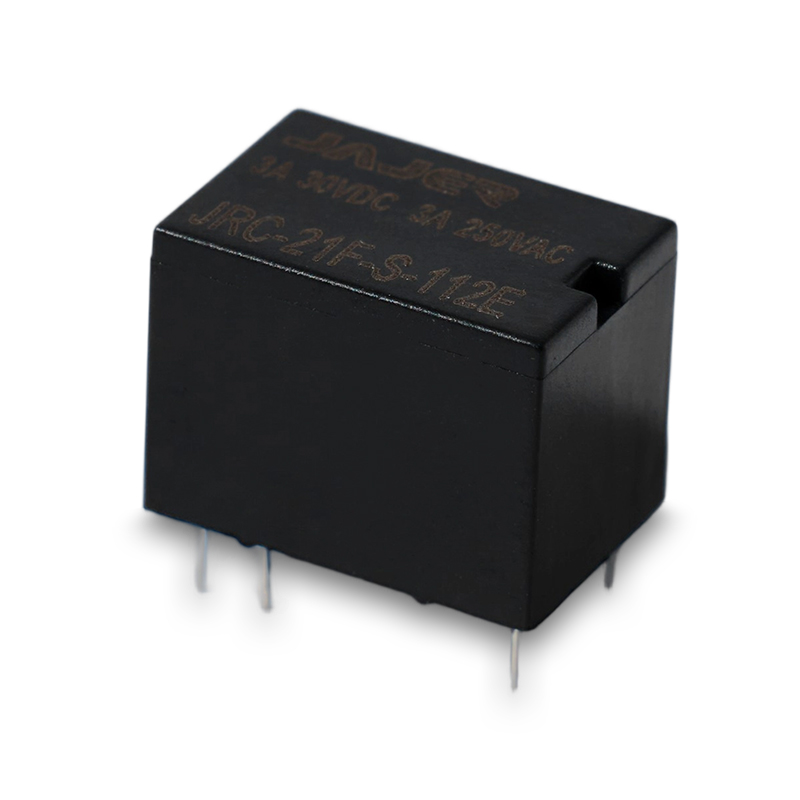
As industrial automation systems become more interconnected, reliable signal transmission between controllers, sensors, and electrical equipment is receiving greater attention from engineers and equipment buyers. A poorly matched relay can cause intermittent signals, unexpected switching, or control interruptions that are difficult to diagnose. Choosing the right Signal Relay is therefore not simply a matter of matching voltage and dimensions. It requires understanding the actual operating conditions, circuit requirements, and installation environment.
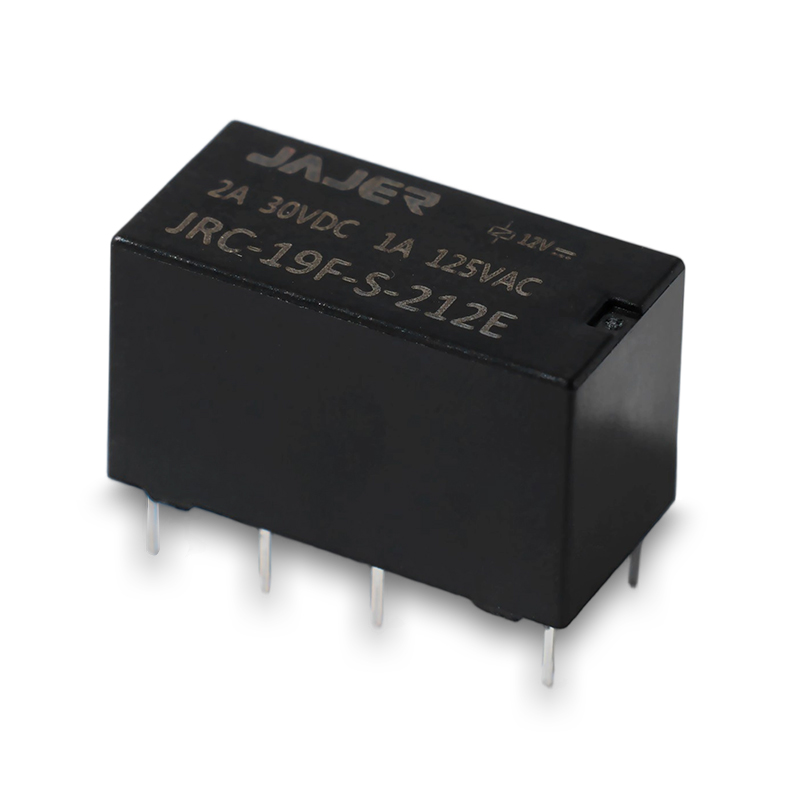
A signal relay is commonly used to control low-power circuits, transfer electrical signals, and provide isolation between different parts of an electrical system. It can be integrated into PLC control panels, communication equipment, monitoring devices, and automated machinery.
Before selecting a relay, engineers should identify the signal type, operating voltage, switching current, and required contact configuration. Normally open, normally closed, and changeover contacts serve different control functions. Matching these configurations to the circuit design helps prevent wiring errors and unnecessary modifications during installation.
Intermittent relay operation is a common concern in industrial control applications. Unstable coil voltage, electrical interference, loose connections, and unsuitable relay specifications can all affect switching performance.
When evaluating a Signal Relay, manufacturers recommend checking the following factors:
These checks help engineers identify potential compatibility problems before equipment enters regular operation.
One selection mistake is choosing a relay based only on its advertised current rating. Different loads place different demands on relay contacts. Resistive loads, inductive loads, and capacitive circuits can produce different electrical stresses during switching.
For example, solenoid valves and contactor coils may generate inductive voltage when switched off. Without suitable contact protection, repeated switching can accelerate contact wear or cause operational faults.
As a manufacturer, we recommend evaluating the actual switching conditions rather than relying on a single rating printed in a product catalogue. Where necessary, engineers should also consider appropriate suppression components and circuit protection.
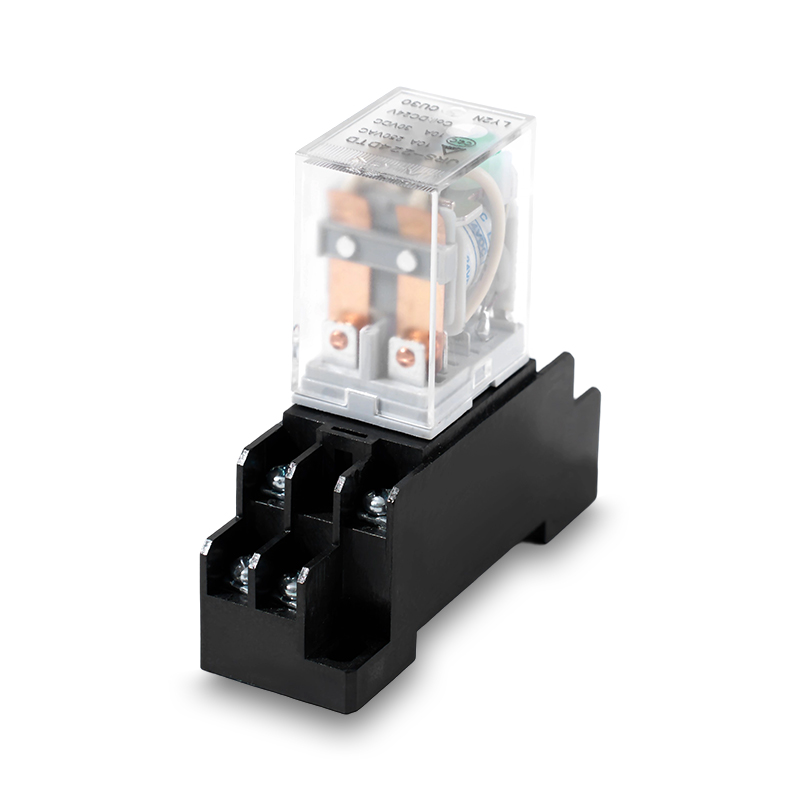
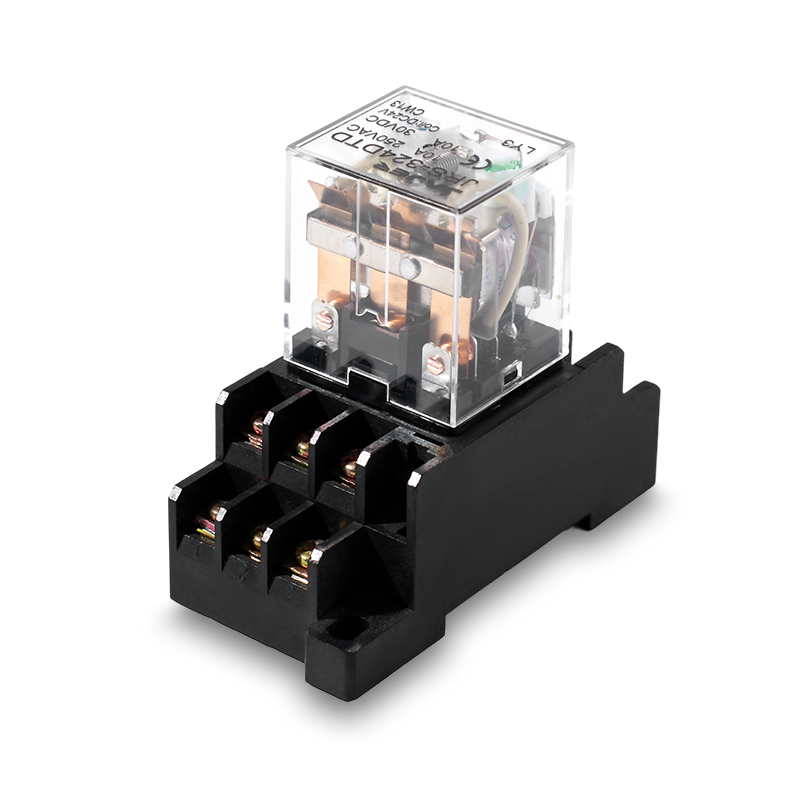
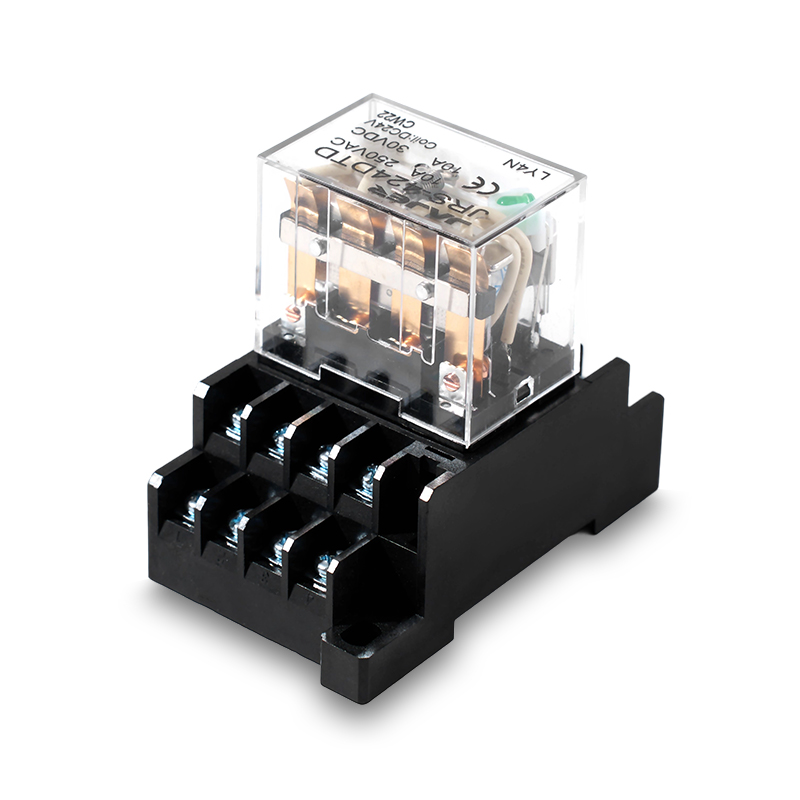
Modern control cabinets often combine PLCs, sensors, communication modules, and multiple output devices. A suitable interface relay can help separate controller outputs from external circuits while providing flexible signal routing.
For equipment designers, compatibility with terminal layouts, relay sockets, mounting arrangements, and wiring methods is also important. A clearly defined connection structure makes assembly easier and helps maintenance personnel replace components without extensive rewiring.
Relay faults are not always caused by defective components. Incorrect wiring, insufficient coil voltage, excessive switching loads, and unsuitable operating conditions can produce similar symptoms.
During commissioning, engineers should verify coil voltage, contact continuity, terminal connections, and switching response. If a relay fails to operate, checking the voltage directly across its coil can help distinguish a control supply problem from a component issue.
Regular inspection also helps identify loose terminals, contact deterioration, and signs of overheating before they interrupt equipment operation.
For distributors, panel builders, and industrial equipment buyers, technical communication is an important part of product selection. Providing the intended application, control voltage, contact configuration, installation requirements, and expected operating conditions allows manufacturers to recommend a suitable solution.
Product drawings, electrical specifications, testing information, and available customization options should also be reviewed before confirming an order. This reduces uncertainty during product integration and supports consistent requirements across production batches.
Reliable signal switching starts with understanding the complete circuit rather than selecting components by appearance or price alone. From PLC interfaces to automated equipment and electronic control panels, the right Signal Relay helps maintain stable connections and simplifies system maintenance. By working with an experienced manufacturer and confirming application requirements before selection, industrial buyers can make more informed component decisions and build control systems that operate with greater confidence.
Quick Contact
Yueshang Innovation Park, Wengyang Street, Yueqing City, Zhejiang, China
Pages
Products
Stay In Touch
If you have any questions or need help, feel free to contact with our team.

Power distribution electromagnetic relay manufacturers