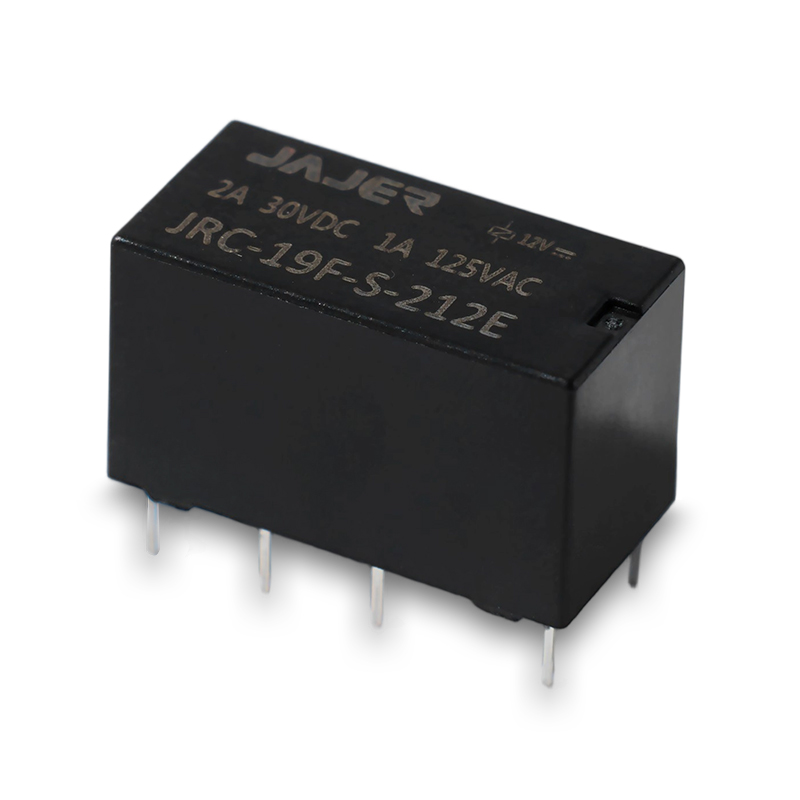
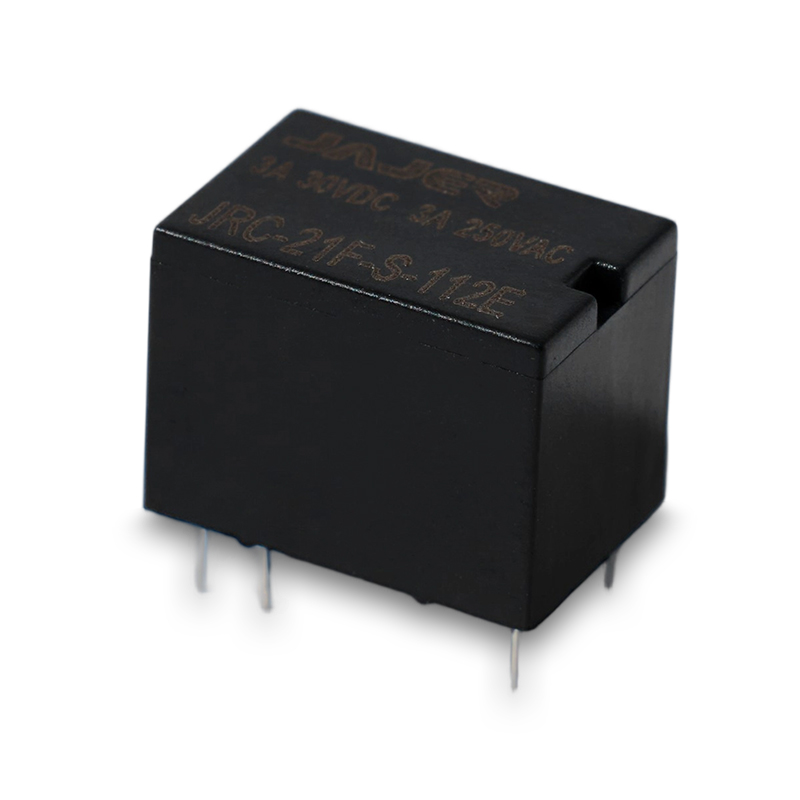
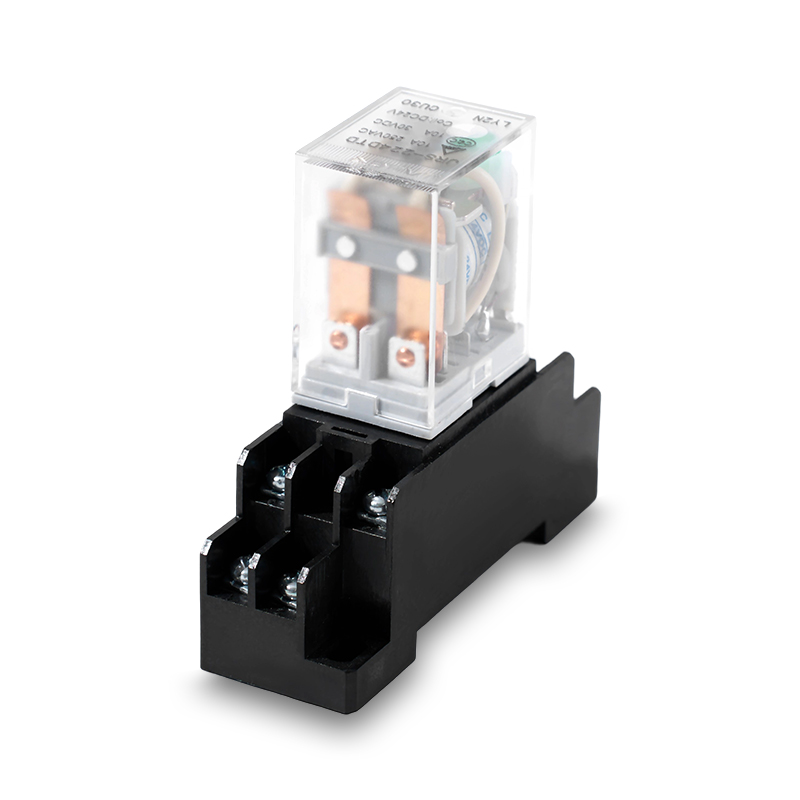
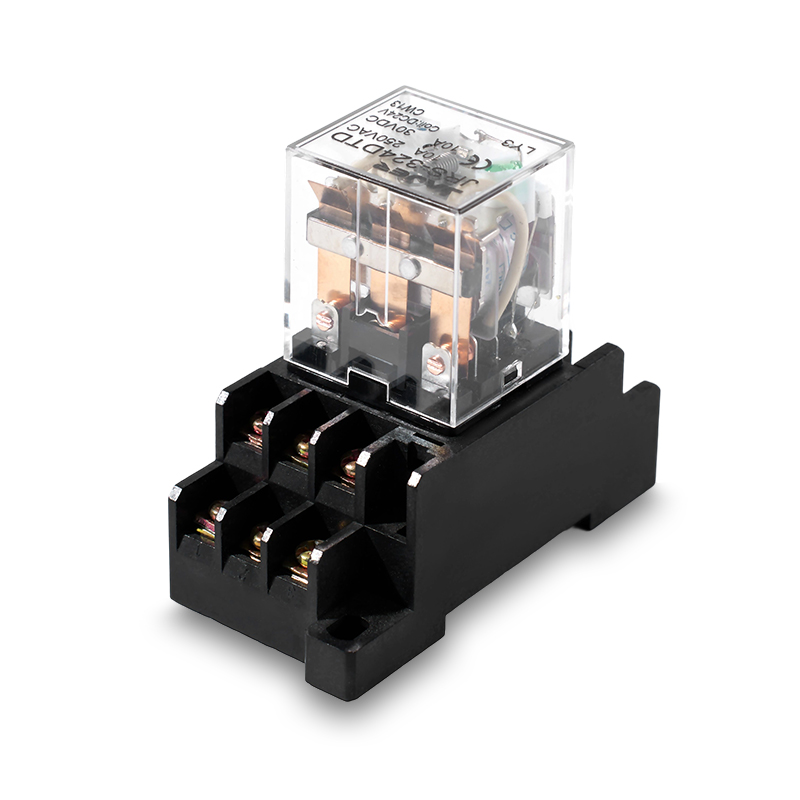
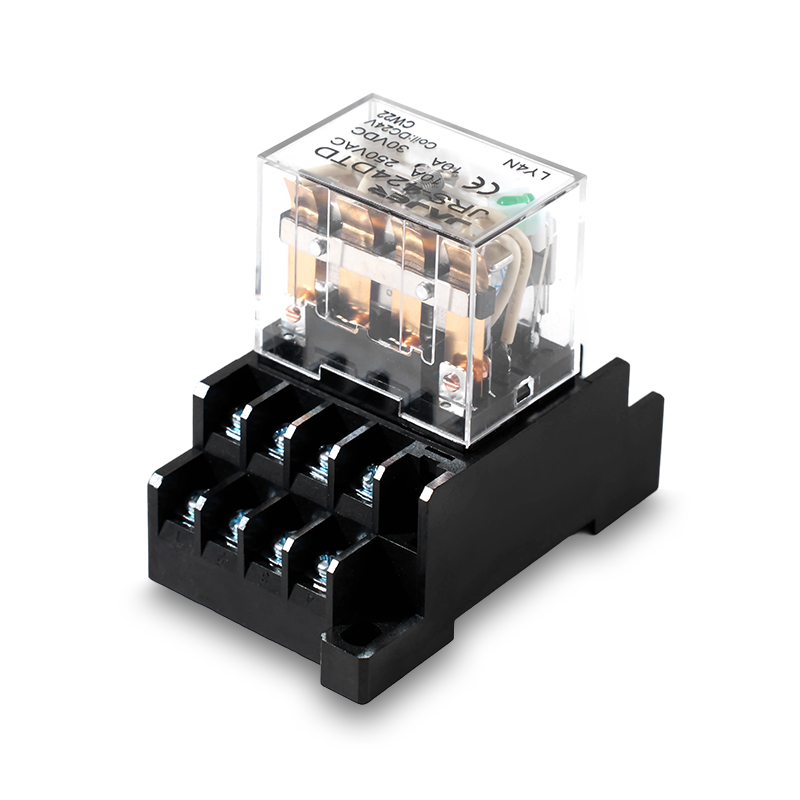
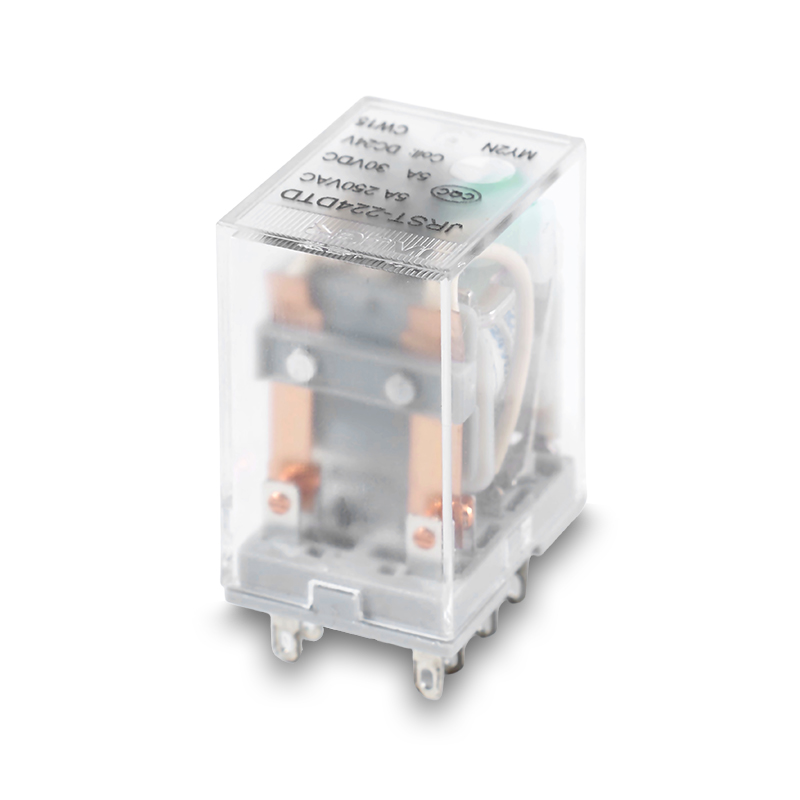
Electrical control components such as the HVAC Control Relay and the HVAC Relay Module serve as the bridge between a thermostat’s signal and the mechanical parts of your HVAC system. When these relays malfunction, one of the more noticeable symptoms is fan operation failure. Fans, whether part of the air handler or the outdoor unit, rely on precise electrical signaling to start, stop, and adjust speed according to system demand. Inconsistent relay performance can therefore disrupt airflow, reduce efficiency, and trigger uneven indoor temperatures.
At Wenzhou Jiajie Electric Co., Ltd., we often see technicians and homeowners report that their fans refuse to start or cycle irregularly, and faulty relays are frequently the underlying cause.
How Relays Influence Fan Operations
Switching the Fan Motor Circuit
The relay is designed to safely route low-voltage control signals to the high-voltage fan motor. When the relay fails to close its contacts properly, the fan motor receives insufficient power or no power at all. This can manifest as delayed start, partial operation, or complete inoperability.
Fan Speed Control
Modern HVAC systems often incorporate multi-speed or variable-speed fan motors. The relay module directs current to specific circuits depending on the required speed. Faulty relays may cause the fan to default to a single speed or prevent any speed changes, reducing system efficiency.
Overload Protection Activation
A malfunctioning relay can create voltage fluctuations that trigger the motor’s internal thermal protection. This can make the fan stop unexpectedly until it cools down, giving the impression that the motor itself is failing, when in reality, the relay is the root cause.
Common Symptoms of Relay-Related Fan Issues
Fan fails to start, even when the thermostat calls for heating or cooling.
Fan starts but stops abruptly mid-cycle.
Buzzing or clicking noises near the relay or motor compartment.
Fan operates inconsistently across multiple attempts or cycles.
Short cycling of the fan without completing full operating periods.
These symptoms indicate that the relay is either failing to transmit the control signal or is intermittently connecting, both of which disrupt normal fan operation.
Diagnostic Steps for Technicians
Voltage Verification
Measure the control voltage reaching the HVAC relay using a multimeter. Proper 24VAC signals are required to energize the relay coil.
Continuity Testing
Check for continuity across relay contacts when energized. A lack of continuity confirms the relay cannot complete the circuit.
Visual Inspection
Look for discoloration, corrosion, or burnt terminals. These physical signs often correlate with electrical failure.
Substitute Known-Good Relay
In controlled testing, replacing the suspect relay with a verified functioning relay can confirm whether the relay is the source of the fan issue.
Preventive Measures
Schedule routine maintenance inspections to identify early wear in relays.
Ensure clean, tight electrical connections in the relay module.
Replace relays after prolonged service or if physical damage is detected.
Monitor fan performance for early signs of erratic operation, such as slow startup or buzzing.
Even though the fan motor may appear to be at fault, relay-related problems are a frequent and often overlooked cause of HVAC fan failures. Proper understanding of how the HVAC Control Relay and HVAC Relay Module influence fan operation can prevent unnecessary component replacements and ensure reliable system performance. Regular inspection and timely replacement of relays maintain airflow consistency, reduce system stress, and improve indoor comfort.
Quick Contact
Yueshang Innovation Park, Wengyang Street, Yueqing City, Zhejiang, China
Pages
Products
Stay In Touch
If you have any questions or need help, feel free to contact with our team.

Power distribution electromagnetic relay manufacturers



 English
 русский
 Español