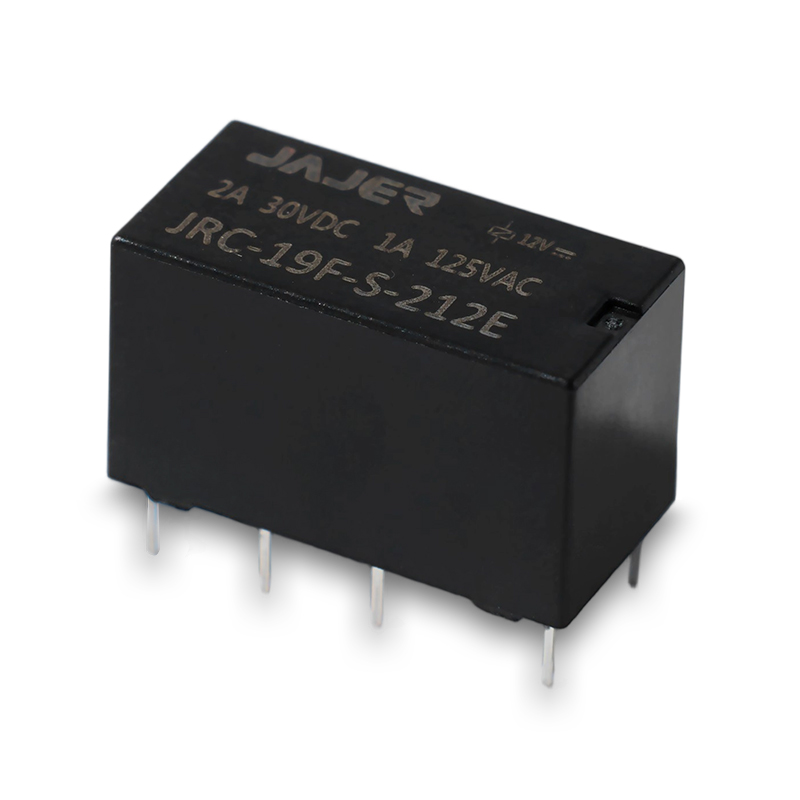
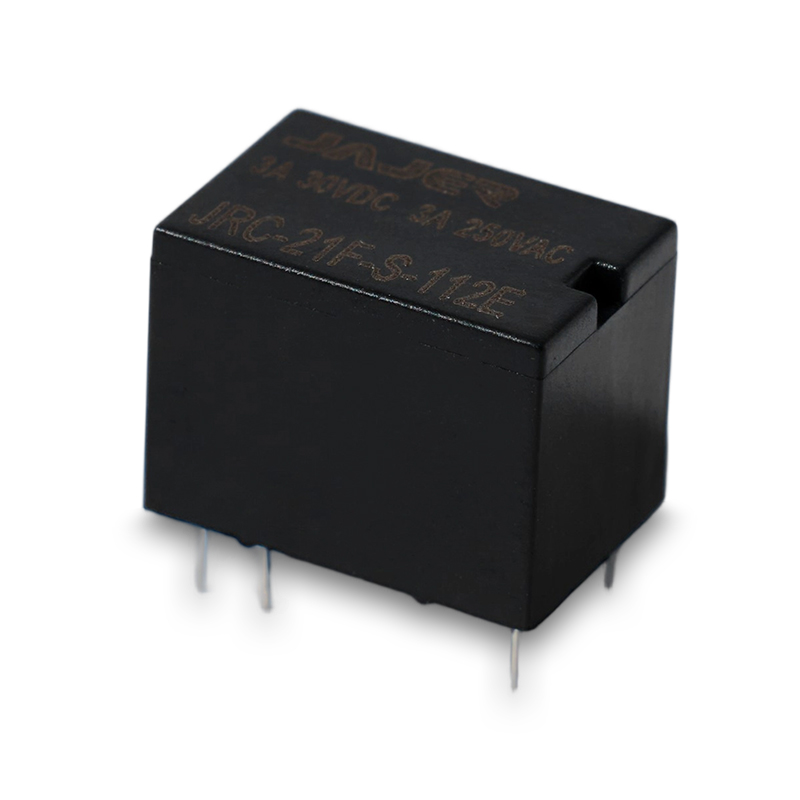
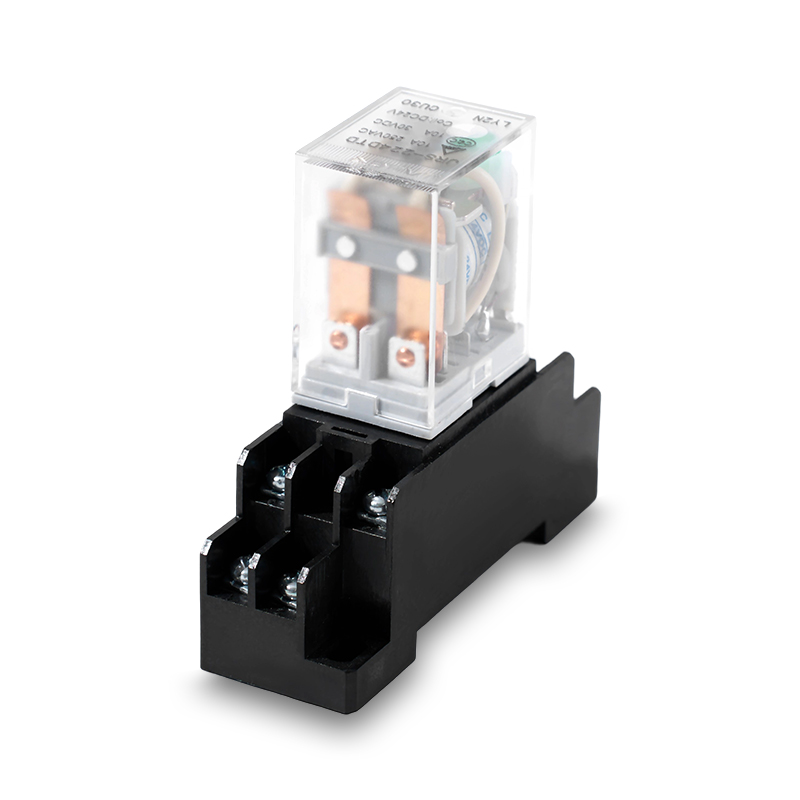
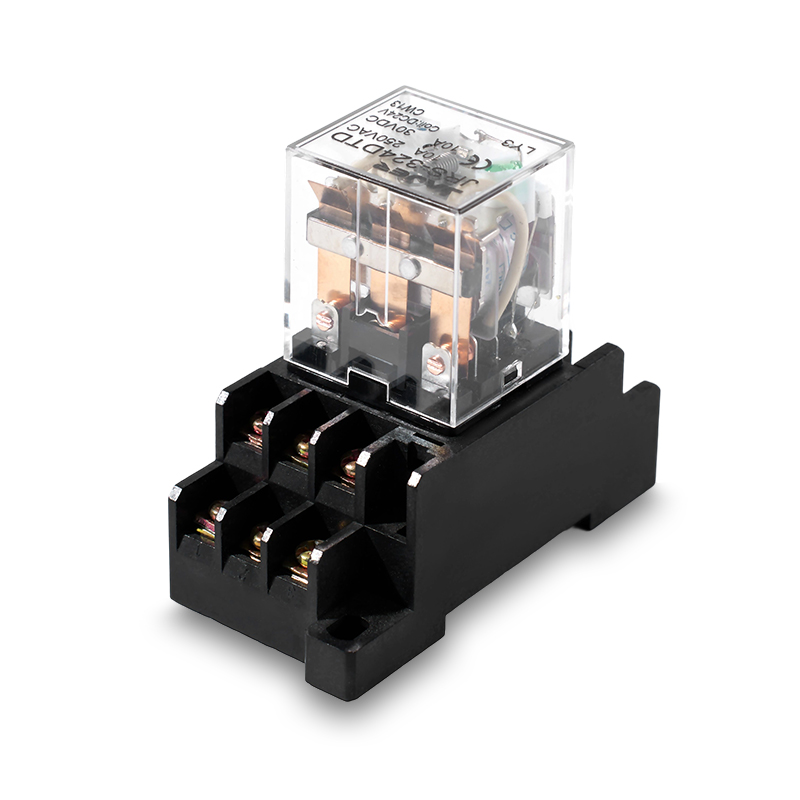
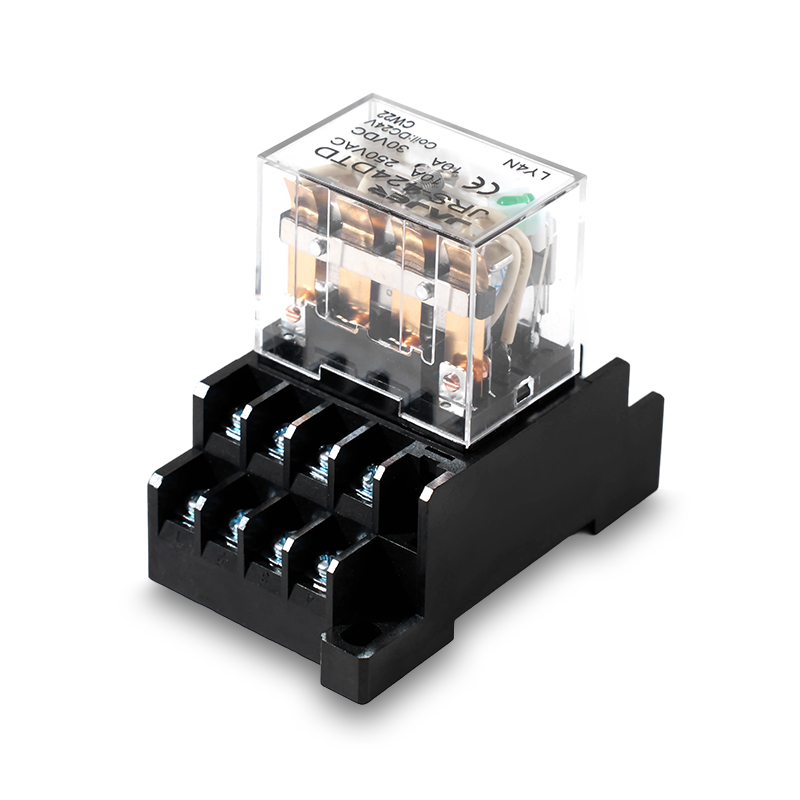
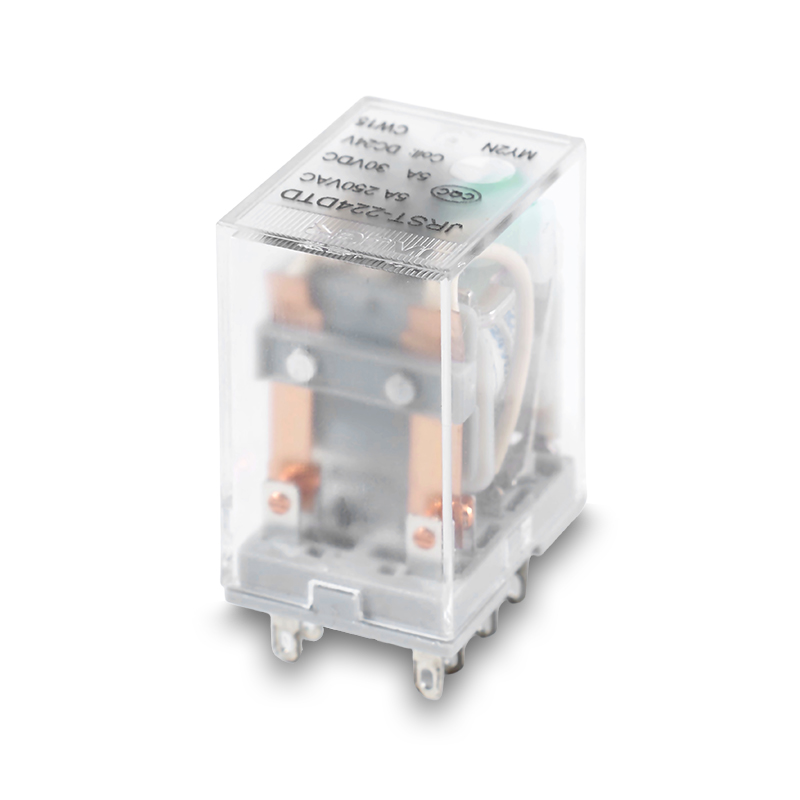
Audio systems rely heavily on signal relays to maintain clean and uninterrupted sound transmission. Unexpected audio channel drops can frustrate both engineers and end-users, impacting professional setups and consumer electronics alike. At our company, we specialize in advanced relay solutions, including Solid State Signal Relay and Miniature Signal Relay designs, to ensure reliable audio performance across various applications.
Signal relays, by design, act as switches to control audio signal paths without introducing significant noise. However, several common issues can lead to partial or complete channel dropouts.
Electrical Load Mismatch
One primary reason audio channels drop is due to mismatched load requirements. Solid State Signal Relays are often rated for specific current and voltage ranges. Exceeding these ranges can trigger thermal protection circuits or cause voltage sag, disrupting the audio path.
Key considerations include:
- Relay contact rating versus channel current
- Peak signal voltage exceeding relay limits
- Continuous operation leading to temperature rise
Miniature Signal Relays, while compact and energy-efficient, can be especially sensitive to high-frequency audio loads. Exceeding their design limits might not permanently damage the relay but can cause intermittent dropouts.
Switching Speed and Signal Integrity
Relay switching speed significantly affects audio channel stability. Slow or inconsistent switching can introduce gaps in the signal, leading to audible dropouts. Solid state variants typically provide microsecond-level switching, ideal for high-fidelity audio, while mechanical miniature relays may experience slight delays due to contact bounce.
Technical parameters that influence performance include:
- Switching time (ms or μs)
- Contact resistance (mΩ)
- Dielectric strength and insulation resistance
Our company ensures that every relay model meets rigorous audio specifications, minimizing channel loss due to slow switching or impedance mismatch.
Environmental Factors
Ambient temperature, humidity, and vibration can directly impact relay performance. Solid state relays are less prone to mechanical wear but can be affected by high temperatures that trigger thermal shutdown circuits. Miniature relays, due to their size, are more sensitive to mechanical vibration and may temporarily lose contact under stress.
Environmental considerations:
- Operating temperature range (°C)
- Shock and vibration tolerance
- Humidity and condensation effects
Proper installation and environmental control can significantly reduce audio channel dropouts in critical systems.
Interference and Crosstalk
High-frequency interference from nearby electronics can induce crosstalk or signal loss in audio channels. Miniature signal relays are especially vulnerable due to close proximity of internal contacts. Solid state relays, with their opto-isolated designs, often provide better immunity against electromagnetic interference (EMI).
Mitigation strategies include:
- Shielded relay enclosures
- PCB layout optimization
- Grounding and isolation techniques
At our company, we design relay modules with robust EMI suppression to maintain audio clarity even in electrically noisy environments.
Aging and Contact Degradation
Over time, relay contacts can degrade due to oxidation or repeated switching cycles. This degradation is more prominent in mechanical miniature relays. Contact resistance increases, reducing signal amplitude and sometimes causing entire channels to drop intermittently. Solid state relays avoid mechanical contacts, significantly reducing wear and extending operational lifespan.
Signs of aging relays include:
- Intermittent audio dropout
- Reduced signal amplitude
- Increased insertion loss
Routine maintenance and choosing relays rated for higher cycles can prevent unexpected audio interruptions.
System Design Considerations
Audio dropouts are not always due to the relay itself; improper system design can exacerbate relay weaknesses. Signal attenuation, cable length, and connector quality all contribute to channel stability. Our company emphasizes a holistic approach, integrating solid state signal relays and miniature signal relays into audio systems with optimal load matching, shielding, and routing.
Key design tips include:
- Matching relay ratings with amplifier output and speaker load
- Avoiding unnecessary long cable runs
- Using twisted-pair or shielded cables for critical paths
Our company specializes in engineering reliable relay solutions tailored for audio and electronic systems. By understanding the technical limitations and operational environment of relays, engineers can significantly reduce channel dropouts, ensuring clear and uninterrupted sound transmission.




 English
 русский
 Español