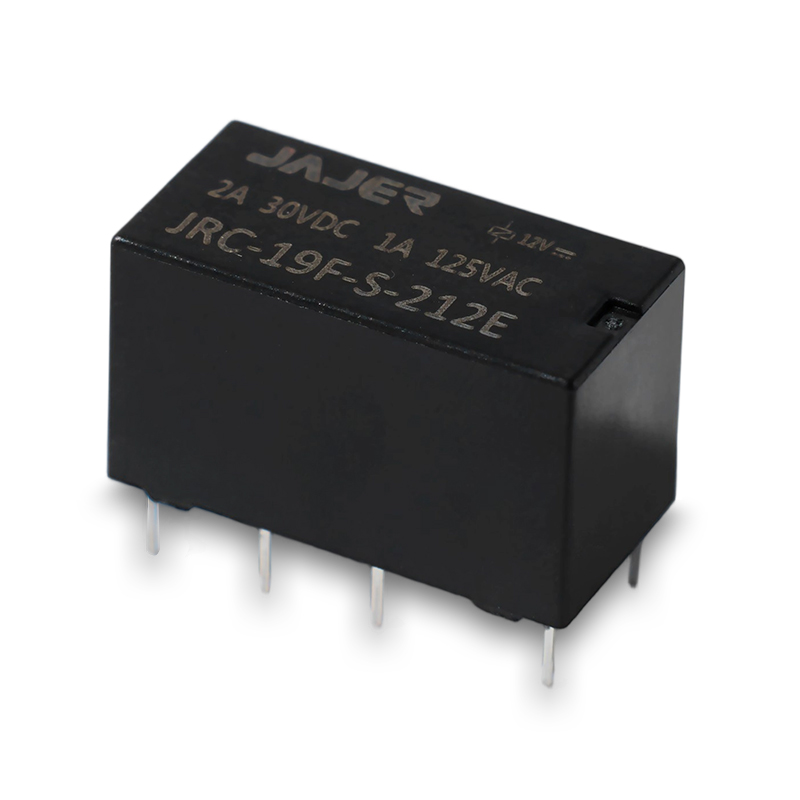
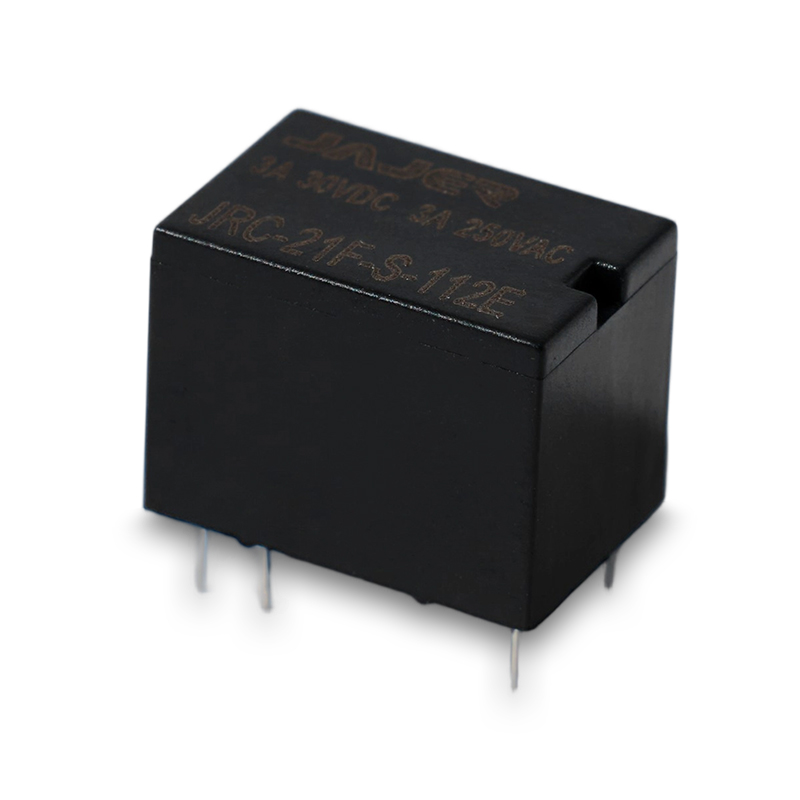
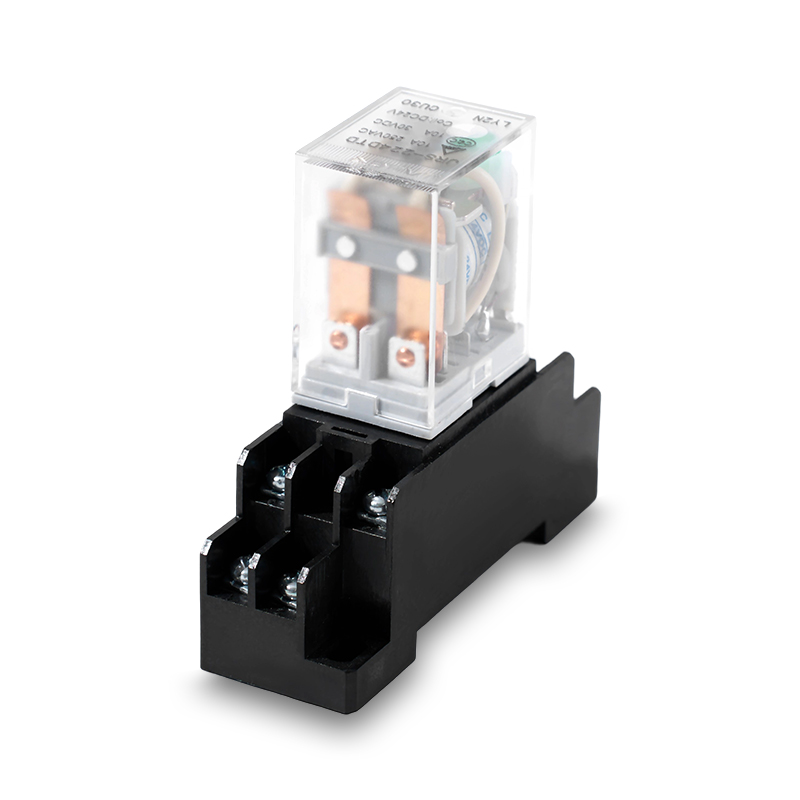
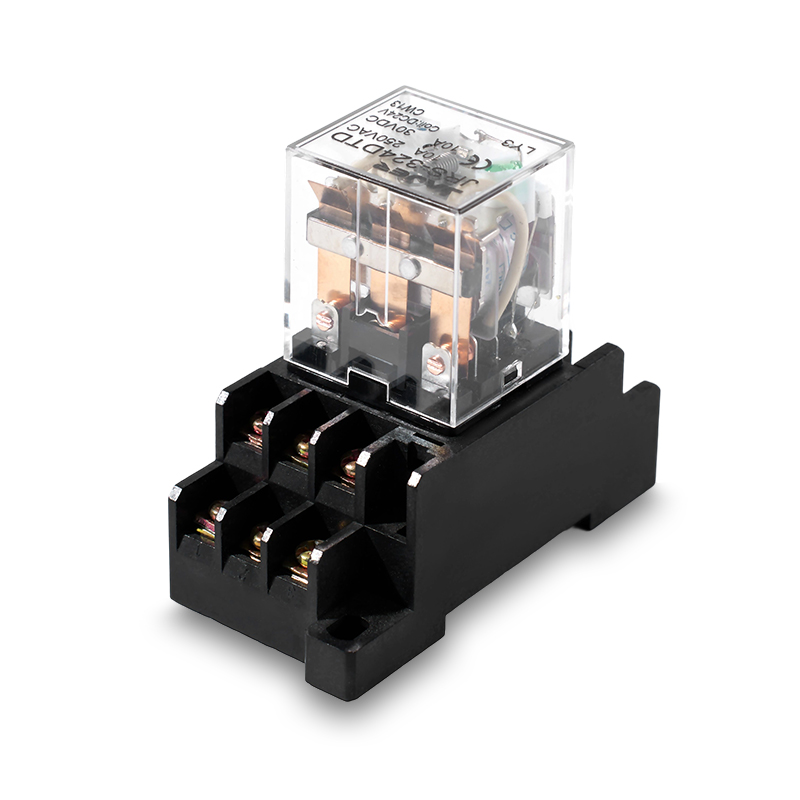
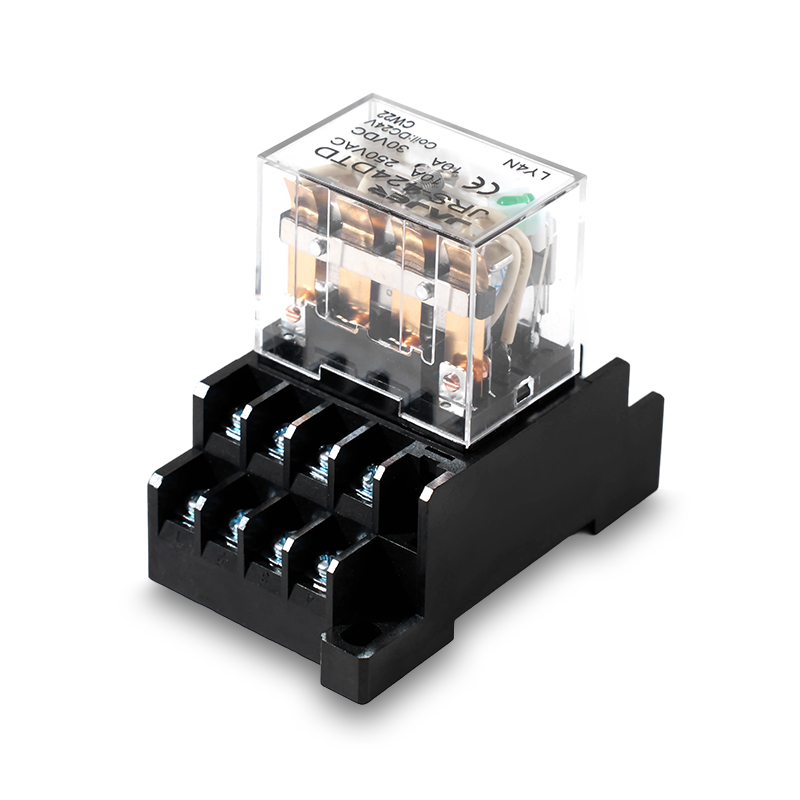
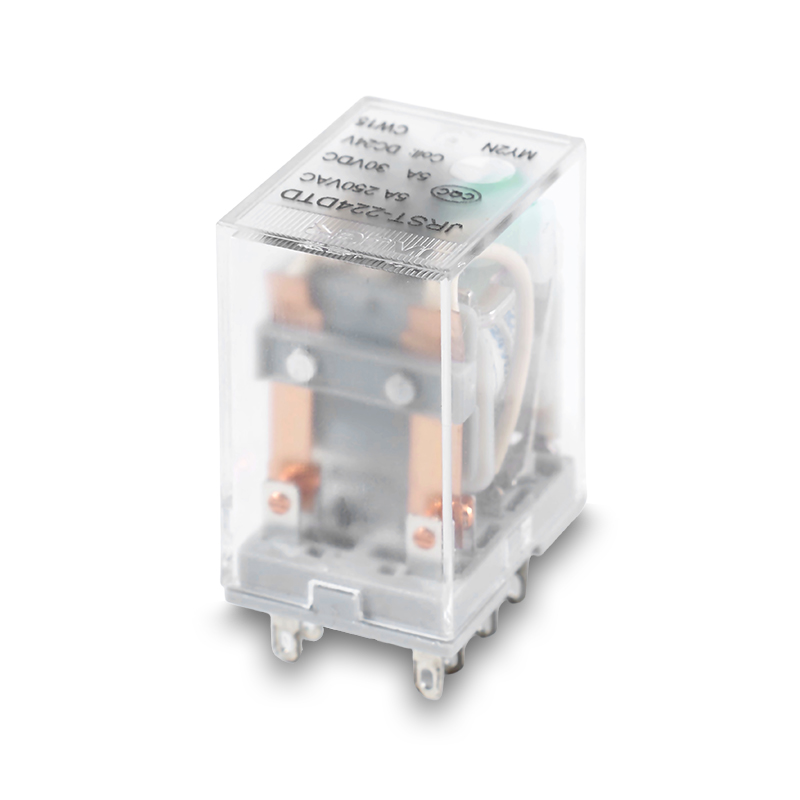
Modern electrical and electronic equipment depends on reliable switching components to manage signals and control various functions. Among these components, the Miniature Relay is widely used because of its compact design and ability to support efficient signal switching across different applications. From industrial automation to communication devices and consumer electronics, miniature relays continue to play an important role in circuit control.
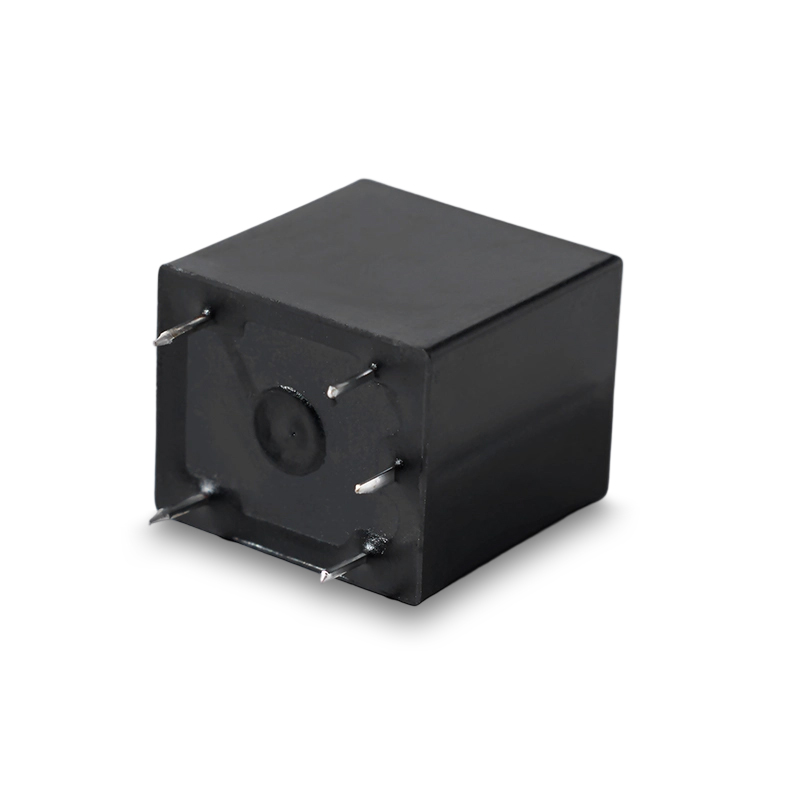
Understanding Signal Switching and Control
Signal switching allows electrical signals to be directed between different circuits when required. At the same time, control functions help systems perform automated actions without direct manual operation.
A Miniature Relay acts as an electrically operated switch. When activated, its internal contacts change position, allowing circuits to open or close according to the system's requirements. This makes relays useful in applications where accurate switching and circuit isolation are needed.
Key Benefits of Miniature Relays
Compact Structure
Many modern devices are designed with limited installation space. Miniature relays offer switching functionality while occupying relatively little space on circuit boards and inside equipment enclosures.
Electrical Isolation
One of the main advantages of a relay is the separation between the control circuit and the load circuit. This isolation helps protect sensitive electronic components and supports stable system operation.
Consistent Switching Performance
Miniature relays are designed to perform repeated switching actions as part of daily equipment operation. Their switching mechanism supports dependable circuit control in a wide range of applications.
Flexible Contact Configurations
Different systems require different switching arrangements. Miniature relays are available with various contact structures, allowing engineers to select a suitable option based on circuit requirements.
Energy-Conscious Operation
Many electronic products focus on efficient power usage. Miniature relays can support switching functions without adding significant complexity to the control system.
Common Application Areas
Industrial Automation
Industrial control panels, monitoring systems, and automation equipment often use miniature relays to manage signals and control operational processes.
Communication Equipment
Communication devices require reliable signal routing and switching. Miniature relays help support these functions while fitting into compact equipment designs.
Consumer Electronics
Many household and electronic products use relays to control internal electrical functions, helping separate low-power control signals from operating circuits.
Automotive Electronics
Automotive systems frequently include switching and monitoring functions that can benefit from the use of miniature relays.
Factors to Consider When Selecting a Miniature Relay
Several factors should be evaluated before selecting a relay:
Matching relay specifications to application needs can help support stable and efficient system operation.
The Miniature Relay remains an important component for signal switching and control across many industries. Its compact design, electrical isolation capabilities, flexible contact options, and dependable switching performance make it suitable for a variety of electrical and electronic systems. As equipment continues to become more compact and functional, miniature relays remain a practical choice for managing circuit control requirements.
Quick Contact
Yueshang Innovation Park, Wengyang Street, Yueqing City, Zhejiang, China
Pages
Products
Stay In Touch
If you have any questions or need help, feel free to contact with our team.

Power distribution electromagnetic relay manufacturers



 English
 русский
 Español