English
 русский
 Español
Home / News / Industry News / General Purpose Relay in Modern Industrial Control: Selection, Stability, and Application Insights for Global Buyers
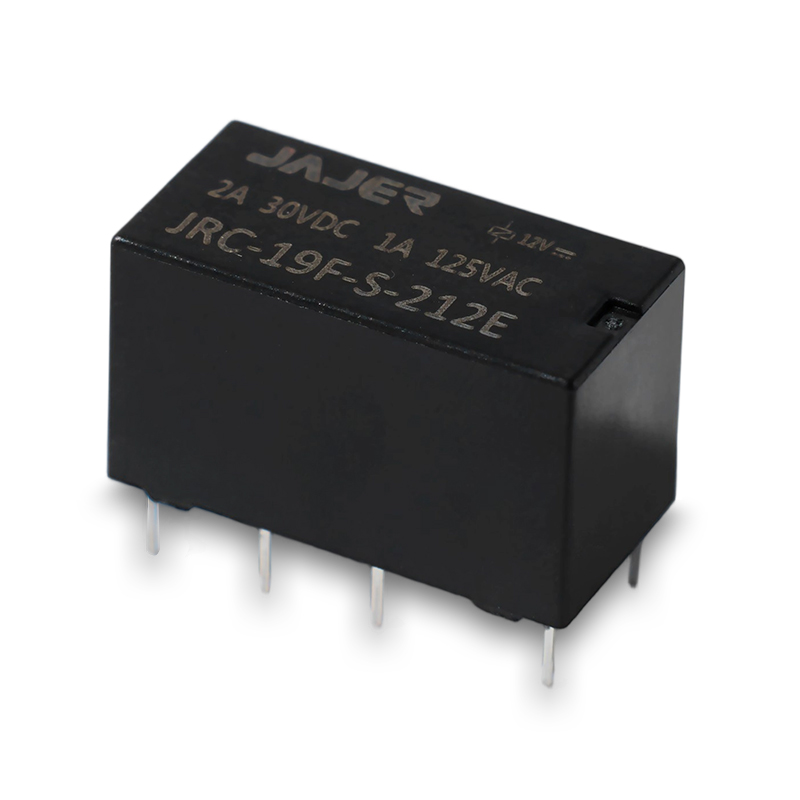
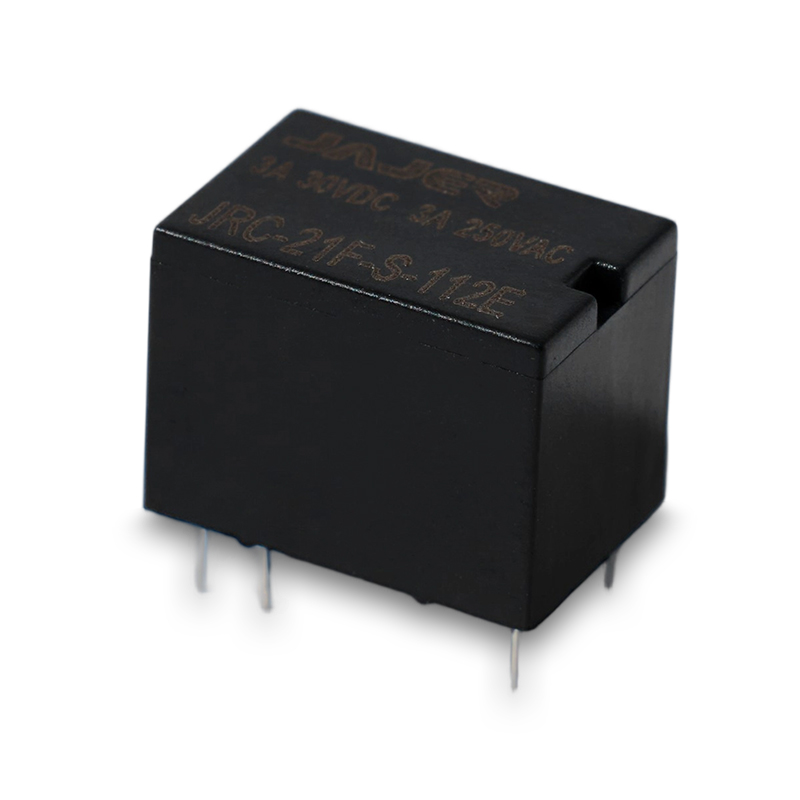
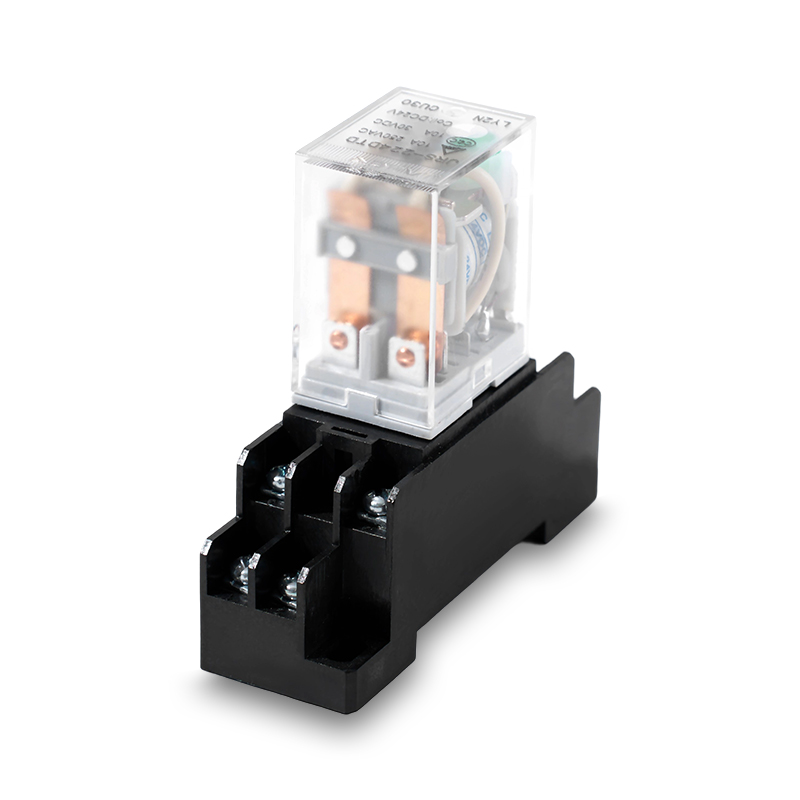
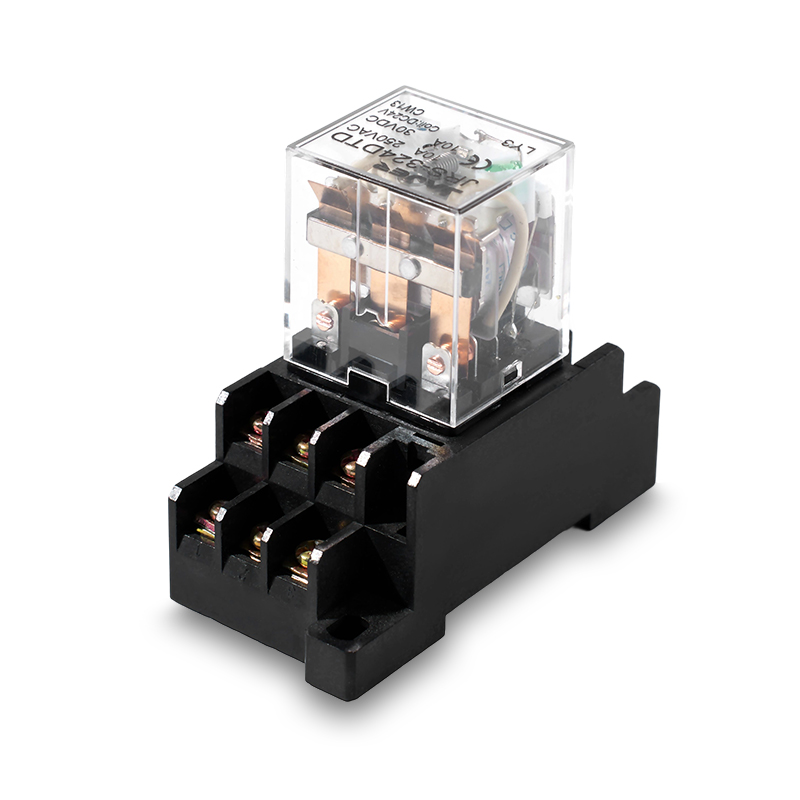
In today’s rapidly evolving industrial automation landscape, the General Purpose Relay remains a core component in control panels, machinery systems, and electrical switching networks. While demand for smarter and more connected equipment continues to rise across global manufacturing, engineers and procurement teams are increasingly focused on relay reliability, compatibility with diverse loads, and long-term operational stability. As a manufacturer supplying industrial control components, we observe growing search interest around topics such as “relay coil voltage selection,” “contact rating for inductive load,” and “relay failure in control cabinet,” reflecting real-world application challenges faced by engineers and system integrators.
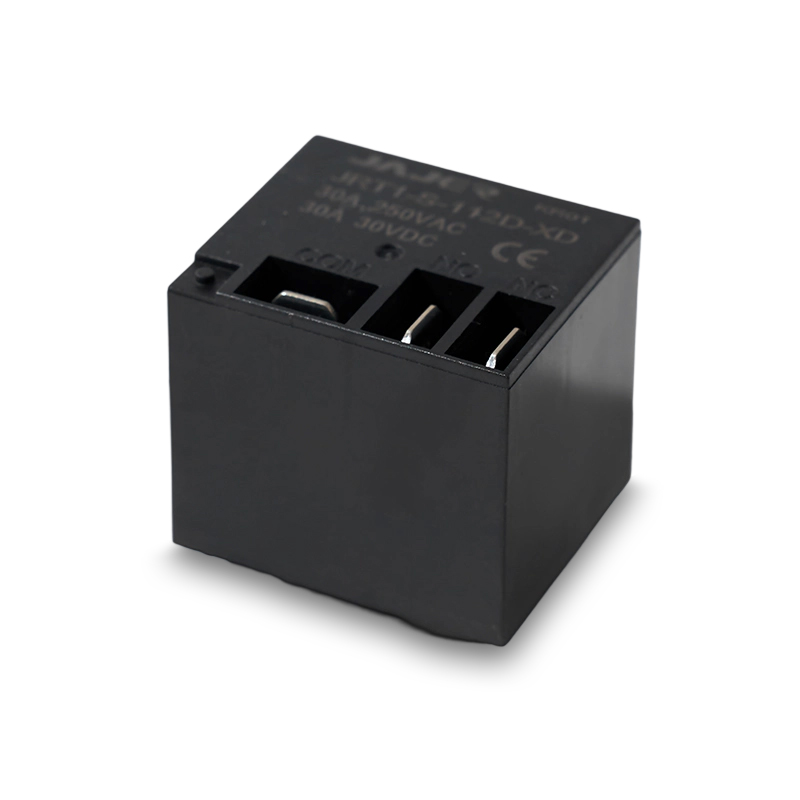
Rising Focus on Relay Reliability in Smart Automation Systems
With the expansion of Industry 4.0 and IoT-enabled control systems, relays are no longer seen as simple switching devices. Engineers are evaluating how a General Purpose Relay performs under frequent switching cycles, micro-load conditions, and unstable voltage environments. Social discussions among automation professionals often highlight issues like contact wear in high-frequency operations and signal interference in compact PLC-based panels. This shift has pushed buyers to prioritize relays that offer consistent mechanical endurance and electrical stability under mixed-load conditions.
Correct Coil Voltage and Contact Configuration Selection
One of the most searched technical concerns is improper relay specification during system design. Selecting the right coil voltage and contact layout directly affects system safety and efficiency. Engineers commonly compare 12V DC, 24V DC, and 220V AC coil options depending on control architecture.
Key considerations include:
Compatibility with PLC output signals
Isolation requirements between control and load circuits
Switching capacity for resistive vs. inductive loads
Heat generation in densely packed panels
A mismatch in configuration often leads to overheating or premature contact failure, making correct selection a critical engineering step.
Installation Challenges in Industrial Control Panels
Field technicians frequently report installation-related issues that affect relay performance. Wiring errors, loose terminal connections, and insufficient clearance inside control cabinets are among the most common causes of malfunction. In export-oriented manufacturing environments, panel density is increasing, which makes thermal management and wiring layout even more important. Proper grounding and terminal torque control are often overlooked but essential for stable relay operation.
Growing Demand from HVAC, Energy, and Building Systems
Beyond manufacturing lines, General Purpose Relay applications are expanding in HVAC systems, smart building controls, and renewable energy management. These systems require reliable switching under variable loads such as compressors, pumps, and heating elements. Engineers in these sectors are particularly concerned about contact welding prevention and stable operation under frequent start-stop cycles, especially in energy-saving automation setups.
Manufacturing Quality Factors That Influence Service Life
From a production standpoint, relay durability is strongly influenced by material selection and assembly precision. As a manufacturer, we emphasize controlled production processes to ensure consistency across batches.
Critical quality factors include:
Silver alloy contact material for stable conductivity
High-temperature resistant coil insulation
Precision gap control in armature structure
Automated testing for coil response time and contact resistance
These elements collectively determine whether a relay can maintain performance in demanding industrial environments.
Maintenance and Troubleshooting in Real-World Applications
Maintenance teams increasingly search for “relay clicking noise,” “intermittent switching failure,” and “contact burnout diagnosis.” These symptoms often point to voltage instability, overload conditions, or environmental contamination. Regular inspection of terminal tightness, enclosure sealing, and load balancing can significantly extend relay service life and reduce unplanned downtime in production systems.
As industrial systems become more interconnected and performance-driven, the General Purpose Relay continues to serve as a foundational component for safe and efficient electrical control. Selecting the right specification and ensuring proper installation are key to achieving long-term reliability in diverse applications, making the General Purpose Relay an essential choice for modern engineering and global industrial procurement.
Quick Contact
Yueshang Innovation Park, Wengyang Street, Yueqing City, Zhejiang, China
Pages
Products
Stay In Touch
If you have any questions or need help, feel free to contact with our team.

Power distribution electromagnetic relay manufacturers