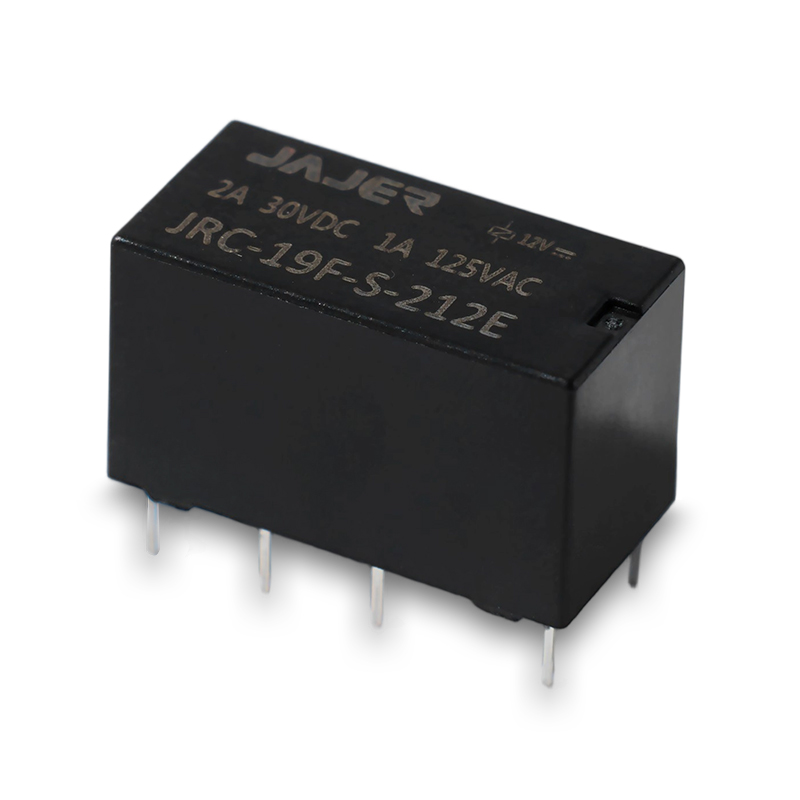
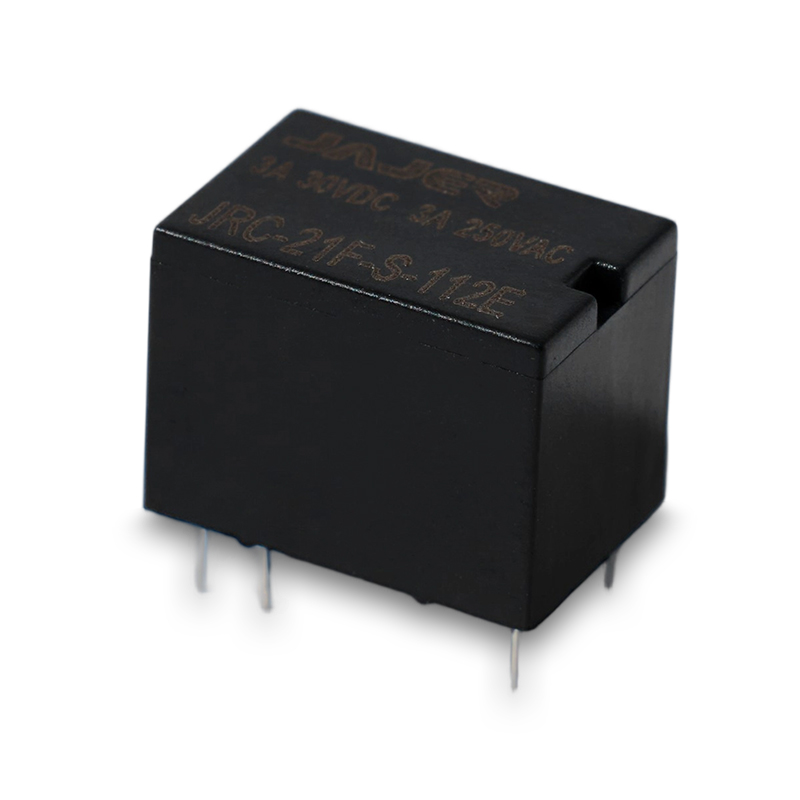
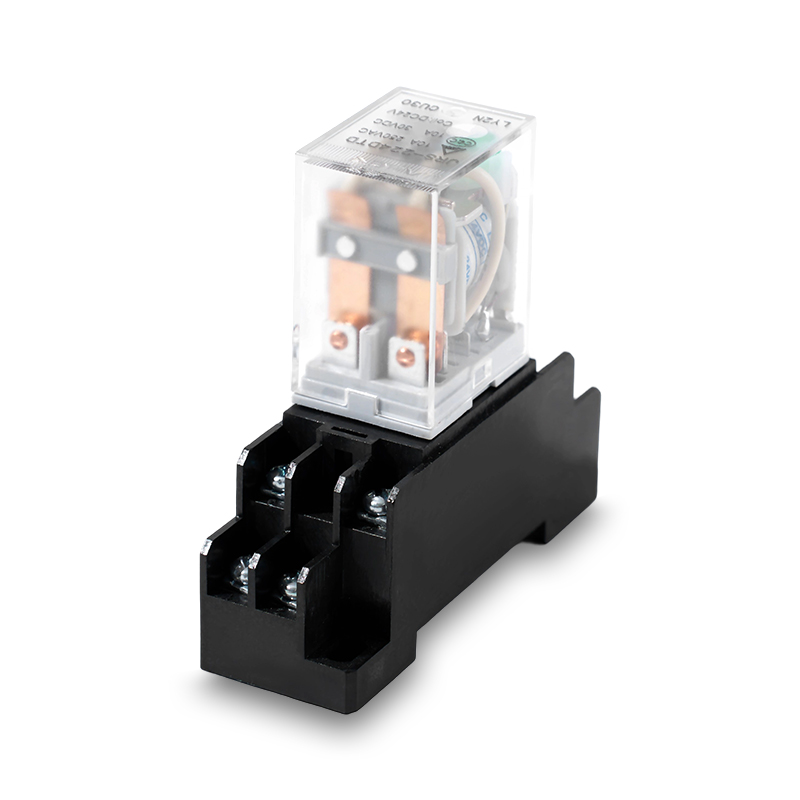
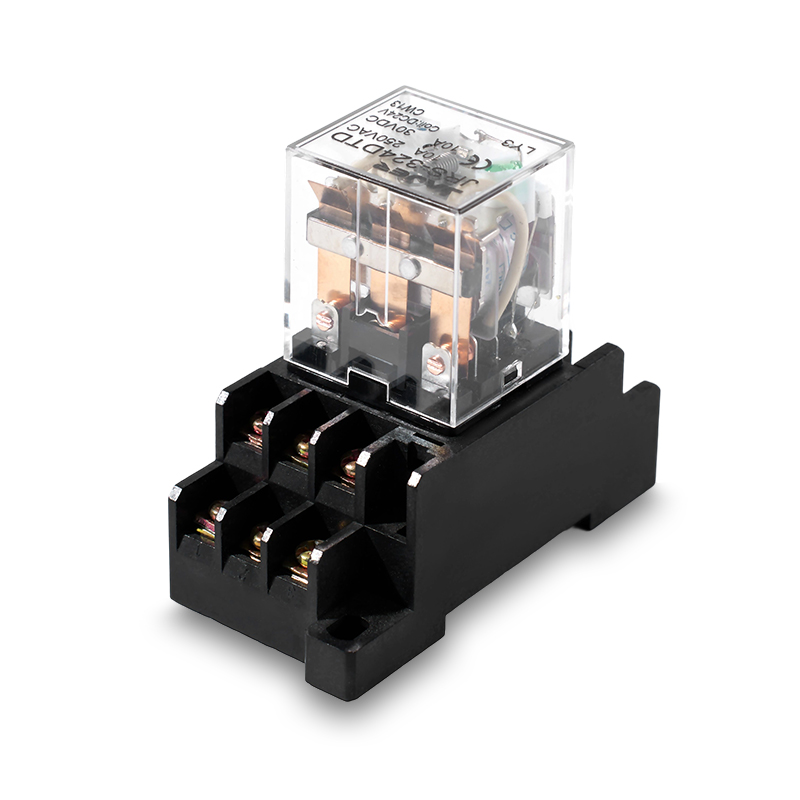
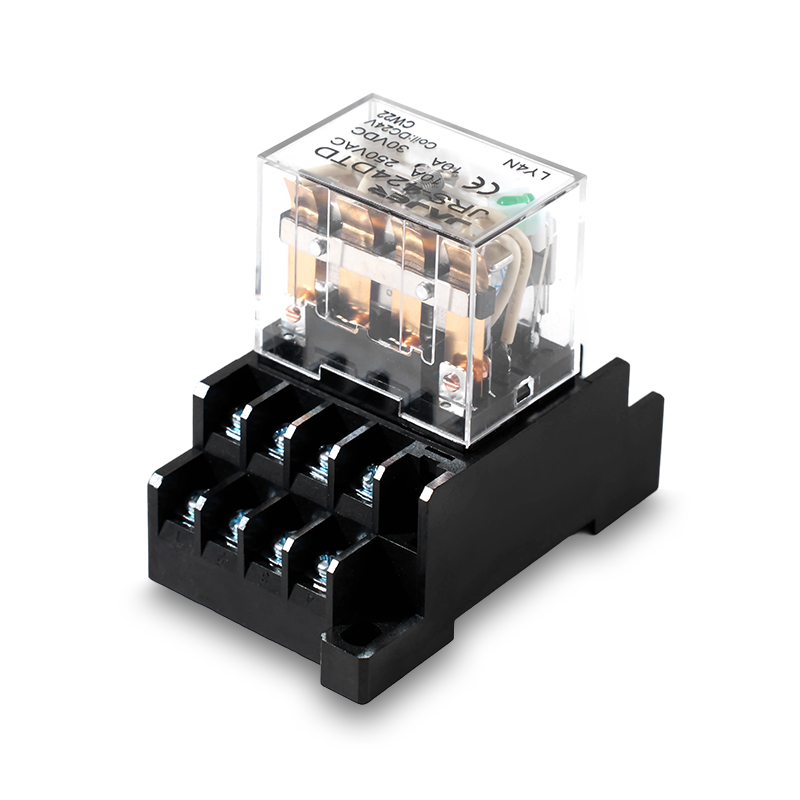
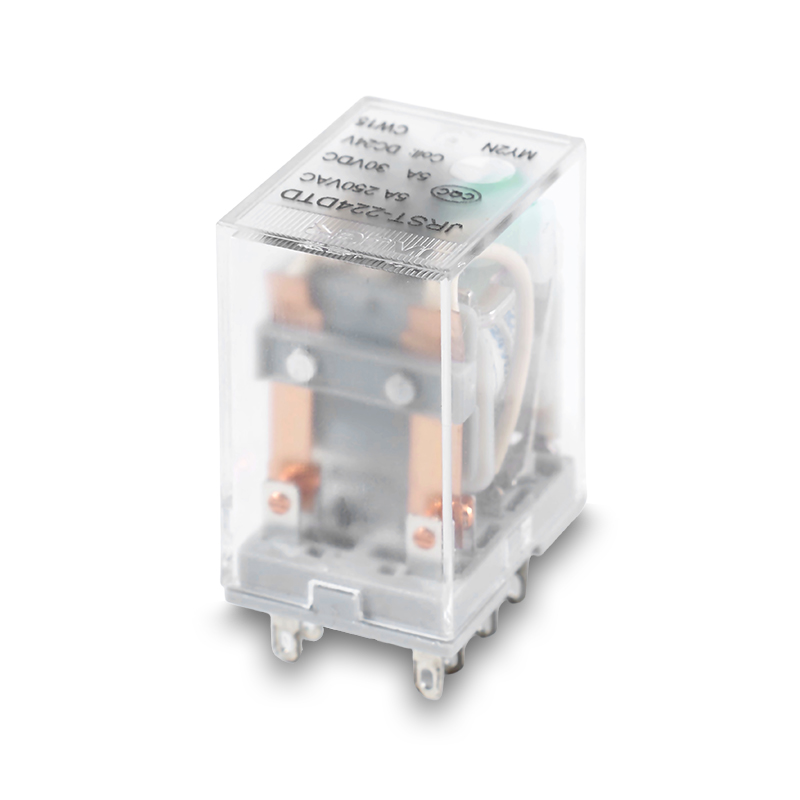
Electronic and electrical equipment often requires compact switching components that can fit into a wide range of designs. The Miniature Relay is commonly used in many industries because it combines switching functionality with a space-saving structure. From industrial automation and telecommunications to automotive electronics and smart devices, miniature relays support various control and signal management tasks while adapting to different application requirements.
Why Relay Design Matters
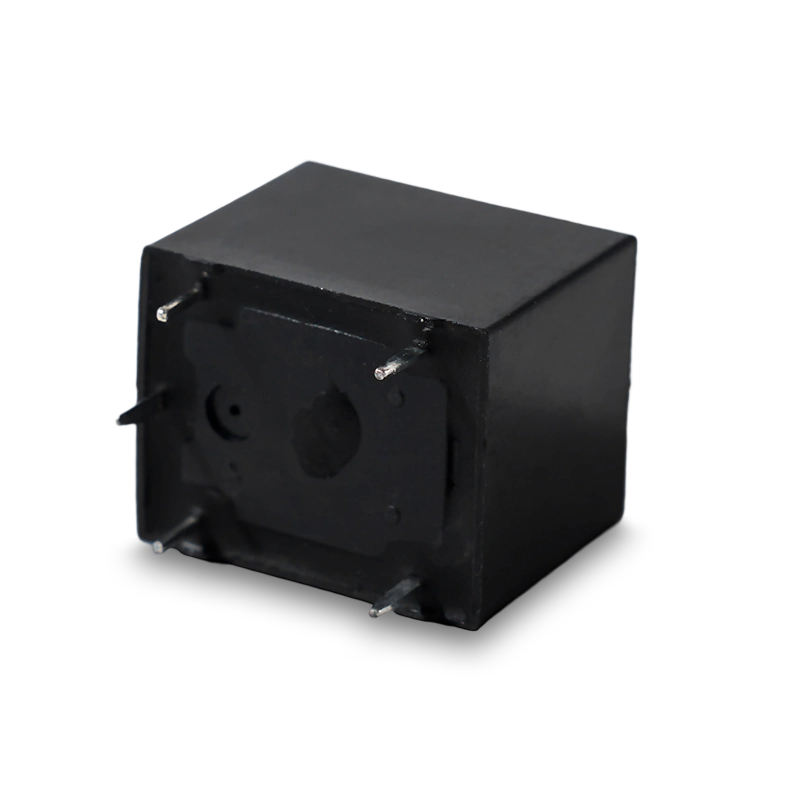
The performance of a relay is influenced not only by its switching function but also by its overall design. Factors such as size, contact structure, coil configuration, and mounting method can affect how the relay fits into a particular system.
A well-designed Miniature Relay can help engineers integrate switching functions into compact equipment while maintaining reliable operation.
Compact Structural Design
One of the defining features of miniature relays is their compact construction. Modern electronic products often contain multiple components within limited installation space, making component size an important consideration.
The compact structure of a miniature relay allows it to be installed on printed circuit boards and within equipment enclosures where space is limited. This makes it suitable for applications ranging from industrial controllers to consumer electronics.
Lightweight Construction
In addition to their compact dimensions, miniature relays are designed with lightweight materials and structures. This characteristic can be beneficial in portable devices, embedded systems, and equipment where overall weight is a consideration.
The combination of compact size and lightweight construction helps simplify integration into many types of electronic assemblies.
Contact System Design
The contact system is one of the most important parts of a relay. Contacts are responsible for opening and closing circuits during switching operations.
Different contact configurations allow miniature relays to support various control and signal switching requirements. Depending on the application, engineers can select relay designs that match the electrical characteristics of the system.
A properly designed contact system helps ensure smooth switching performance throughout normal equipment operation.
Coil Design Considerations
The relay coil is responsible for generating the magnetic force that moves the contacts. Coil design can influence response characteristics and compatibility with different control circuits.
Miniature relays are available with various coil specifications to support a broad range of electrical systems. Selecting a suitable coil configuration helps ensure proper operation within the intended application.
Features Supporting Industrial Applications
Industrial environments often require components capable of handling frequent switching operations. Miniature relays are commonly used in automation equipment, control panels, and monitoring systems.
Their compact design allows them to fit into crowded control cabinets, while their switching capabilities support equipment control and process management functions.
In applications where vibration or movement may occur, relay design also plays a role in maintaining operational stability.
Applications Across Different Industries
Telecommunications
Communication equipment uses miniature relays for signal routing, switching, and control functions. Their compact size supports installation within communication devices and network equipment.
Automotive Electronics
Automotive systems contain various electronic control modules that rely on switching components. Miniature relays can be used in monitoring systems, auxiliary controls, and other electrical functions.
Medical Equipment
Many medical devices require precise electronic control and signal management. Miniature relays can support these functions while fitting into compact equipment designs.
Smart Home Devices
Home automation products often incorporate relays to manage electrical functions. Their compact structure makes them suitable for modern smart control systems.
Future Development Trends
As electronic equipment continues to evolve, relay designs are adapting to changing requirements. Areas of development include more compact structures, improved switching efficiency, and greater compatibility with advanced electronic systems.
Manufacturers continue to refine relay designs to meet the needs of industries that require reliable switching performance within increasingly compact equipment.
The Miniature Relay remains an important component across multiple industries due to its compact design, flexible contact arrangements, and adaptability to different applications. Whether used in industrial automation, telecommunications, automotive electronics, medical devices, or smart home systems, miniature relays provide practical switching solutions that support modern equipment design and operation.
Quick Contact
Yueshang Innovation Park, Wengyang Street, Yueqing City, Zhejiang, China
Pages
Products
Stay In Touch
If you have any questions or need help, feel free to contact with our team.

Power distribution electromagnetic relay manufacturers



 English
 русский
 Español