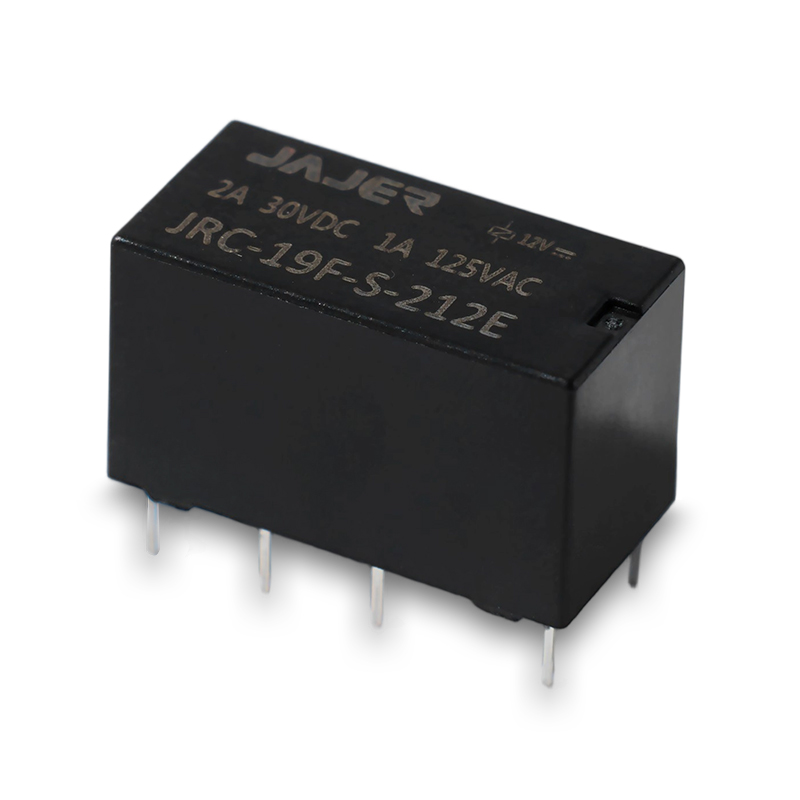
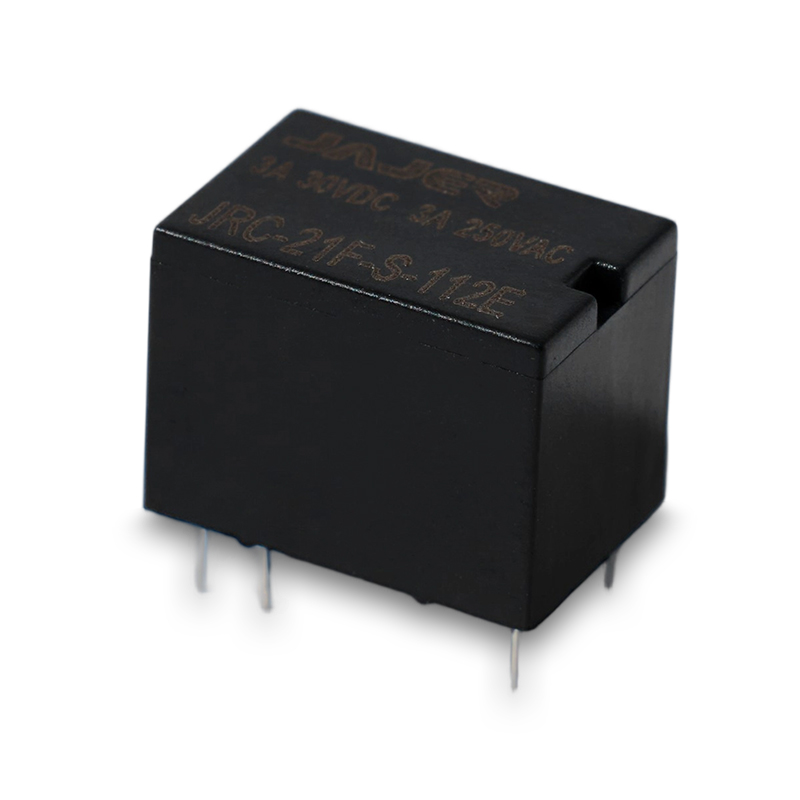
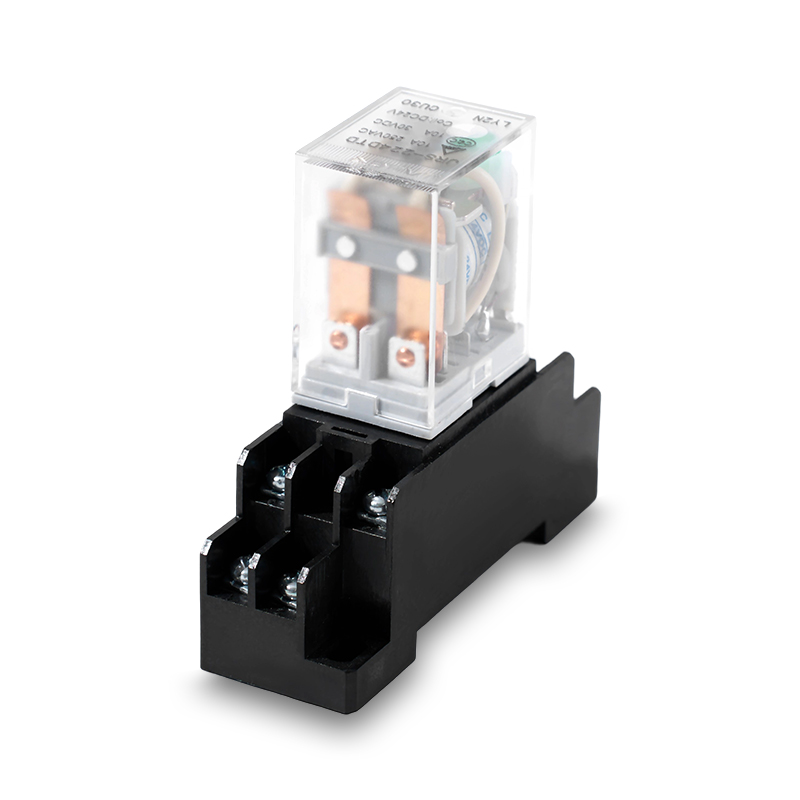
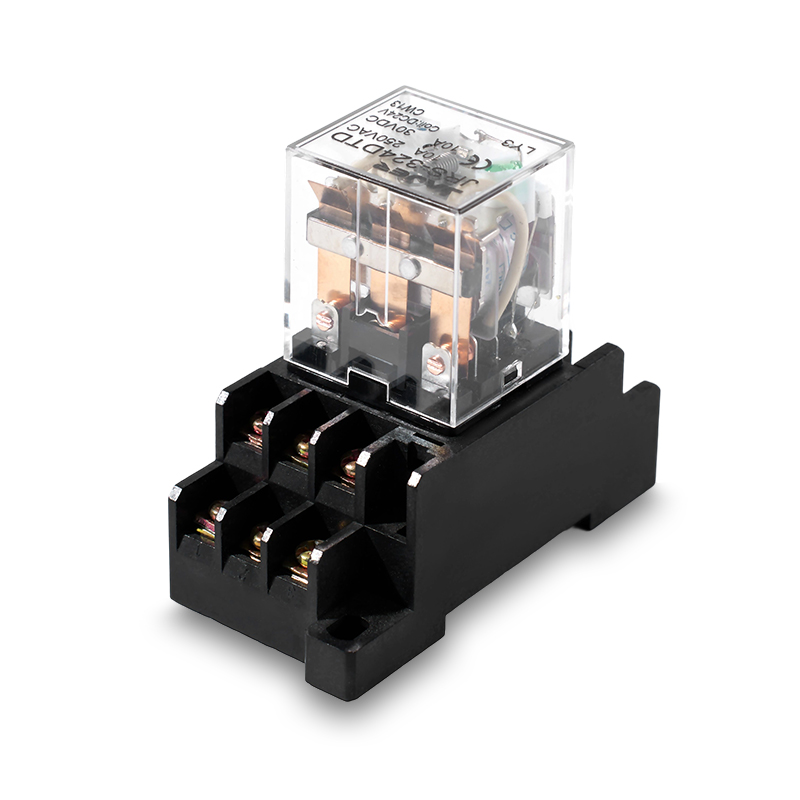
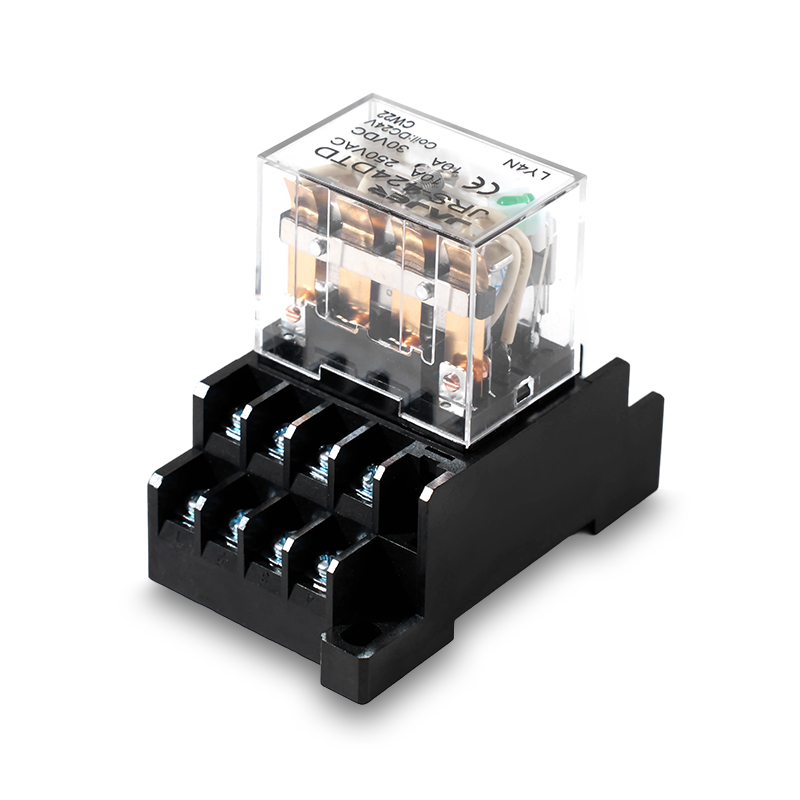
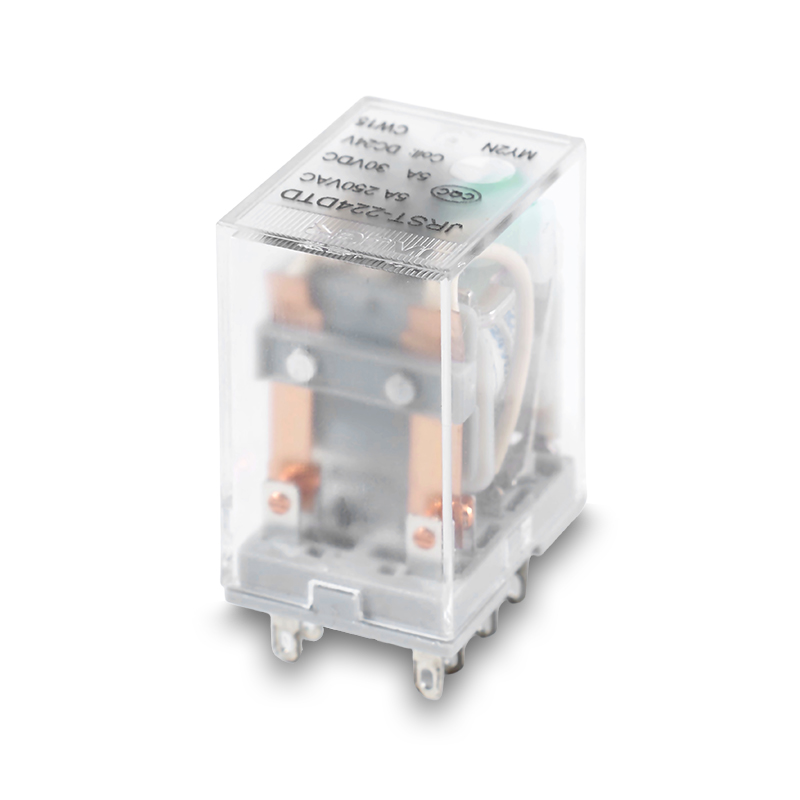
Numerous technicians and system integrators frequently raise concerns about the operational safety of electrical control relays for both residential and industrial electrical systems, particularly when these components are adopted to switch high-voltage circuits or inductive loads. Meanwhile, questions regarding whether general-purpose power relays can operate safely with common daily loads including motors, water pumps and automatic switching modules are widely discussed on technical forums and industry communication platforms. Most users are eager to figure out feasible solutions to maintain stable and long-term relay performance, while eliminating typical electrical hazards such as component overheating, contact welding and spontaneous electric arcing.
Why Safety Matters with Control and Power Relays
Essentially, a relay functions as an electromagnetic switch that achieves electrical isolation between low-power control circuits and terminal working loads. Technical practitioners consistently point out that such isolation serves as the core safety advantage of relays. Nevertheless, this protective effect can only work normally on the premise of accurate model selection and standardized installation.
Electrical professionals and electronic enthusiasts have summarized three major potential safety risks arising from improper relay application, as listed below:
-
Overheating and Coil Stress: Continuous operation of relays under voltage approaching or exceeding the nominal coil rating will lead to abnormal overheating. Persistent high operating temperature will accelerate insulation ageing inside the coil, and eventually trigger permanent coil burnout.
-
Contact Wear and Pitting: Frequent switching actions will leave pitted marks on metal contacts and cause irreversible wear. Damaged contacts bring higher circuit resistance and extra operating heat, which will gradually increase the probability of sudden relay failure in long-term operation.
-
Environmental Effects: Dust accumulation, humid working conditions and insufficient shell protection will damage internal precision components of relays, bringing extra hidden safety troubles to the whole electrical control system.
It is evident that relay safety is not an abstract theoretical issue, but an essential practical factor that all system designers must fully consider in circuit design and equipment assembly.
Common Safety Scenarios Users Talk About
1. Relay Contact Welding
Contact welding ranks first among common relay faults listed in official electrical troubleshooting manuals. This failure is mainly caused by excessive load current or instantaneous inductive voltage spikes, which fuse internal relay contacts firmly together. Once contact welding occurs, the circuit will stay conducting permanently, and the load will keep running even after receiving cut-off commands, resulting in severe safety accidents.
Field staff can judge contact welding faults via the following typical symptoms:
-
The connected load remains powered on after the control signal is cut off completely.
-
Terminal wiring positions generate obvious abnormal heat during standby state.
-
Abnormal burning odour appears, accompanied by scorch marks on the relay outer shell.
Industry practitioners and amateur electronics researchers both agree that reasonable load matching and external surge suppression devices can effectively lower the occurrence probability of contact welding faults.
2. Chattering and Erratic Behavior
Relay chattering is a frequently reported abnormal phenomenon, referring to the rapid, repeated opening and closing of relay contacts. This fault is generally triggered by insufficient coil control voltage or unreasonable overall circuit design. Beyond reducing equipment operation stability, continuous chattering will produce persistent electric arcing. The generated arc will aggravate contact abrasion sharply and cause local overheating, posing direct threats to circuit safety.
The primary inducements of relay chattering are concluded as follows:
-
Undervoltage control signals fail to fully energize and lock the relay coil.
-
Side interference from load circuits and huge inrush current lead to unstable coil working state.
-
Non-standard wiring construction and loose wiring terminals caused by insufficient screwing torque.
3. Misapplication of Voltage Ratings
Electrical forums always have heated discussions about cross-voltage application of relays, such as whether low-voltage DC control relays can be used to switch high-voltage AC loads. Although cross-scenario use is technically feasible in individual cases with matched contact ratings, operating relays beyond official voltage parameters will lead to insulation breakdown, sustained electric arcing and accelerated contact corrosion, all of which are high-risk electrical hazards.
Three core safety indicators need to be checked before relay selection and application:
-
Parameter matching between coil rated voltage and actual working voltage
-
Difference between AC and DC switching characteristics: AC circuits have natural zero-crossing current points to extinguish arcs automatically, while DC circuits do not have such self-protection properties
-
Long-term thermal stability and performance attenuation under different ambient temperatures
4. The Importance of Proper Wiring and Installation
Most users tend to ignore the critical influence of standardized installation on relay safety. According to field maintenance data, irregular wiring and wrong terminal connection modes are leading causes of relay overheating and premature failure.
Potential risks brought by unqualified installation are summarized below:
-
Rising circuit resistance caused by loose wiring screws and poorly connected terminals
-
Short-circuit faults resulting from damaged insulating materials and omitted protective terminal covers
-
Internal component corrosion and early failure due to unenclosed relay shells exposed to harsh environments
Strictly following electrical industry codes during installation and ensuring fully fastened wiring connections are indispensable prerequisites for safe and reliable relay operation.
Tips for Safe Everyday Relay Use
The following targeted operation guidelines are sorted out based on massive field maintenance cases and industry technical discussions, suitable for both household and industrial daily relay application scenarios:
-
Match Ratings Closely: Select relays with coil and contact rated parameters moderately higher than actual operating voltage, current and load requirements, avoiding long-term full-load or overload operation.
-
Protect Against Surges: Install snubber circuits or metal oxide varistors (MOVs) for inductive loads to restrain instantaneous voltage spikes, reduce electric arcing and slow down contact wear.
-
Regular Inspection: Carry out routine manual and visual inspection for contact abrasion status and coil ageing degree regularly, so as to eliminate potential faults in the early stage before safety accidents occur.
-
Environmental Protection: Equip relays with matched protective enclosures or adopt sealed relay products to block moisture, dust and corrosive gas, especially for relays working in harsh industrial environments.
These practical operation specifications have been widely recognized in official troubleshooting documents and frontline user reports, which can effectively improve overall safety and service life of electrical control relays in daily use.




 English
 русский
 Español