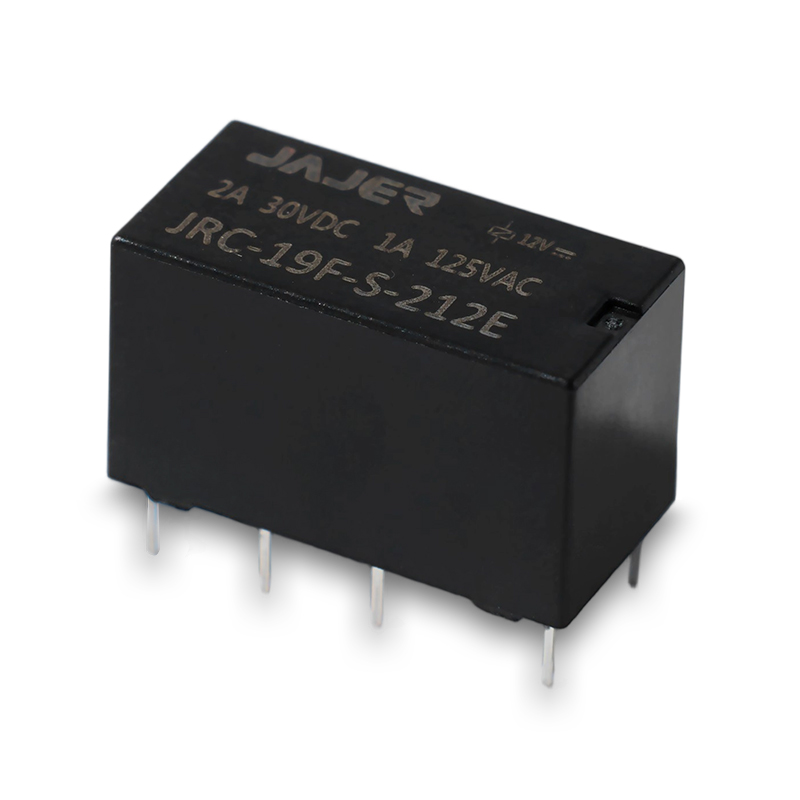
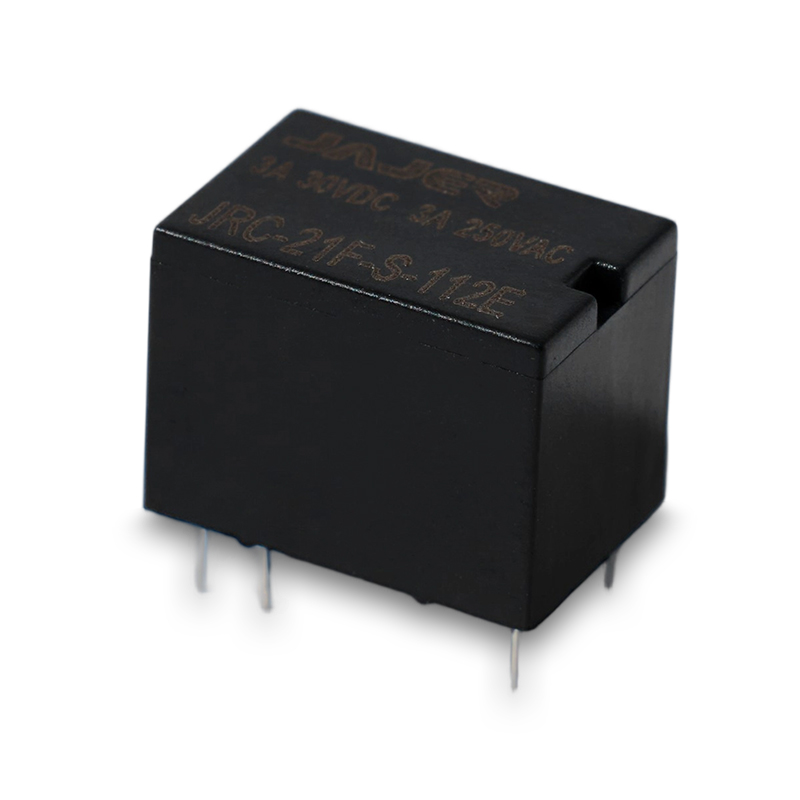
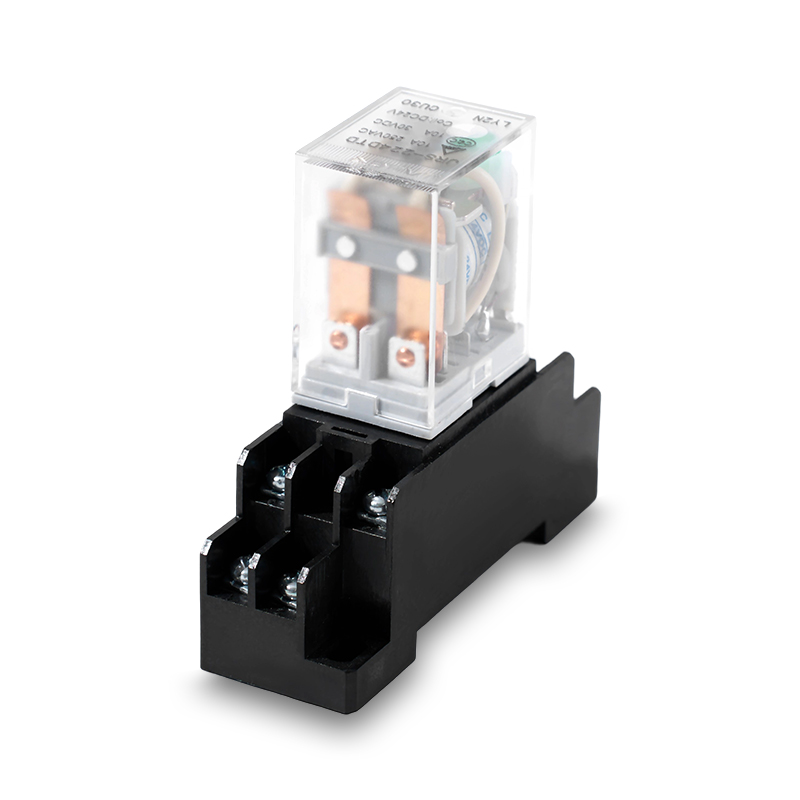
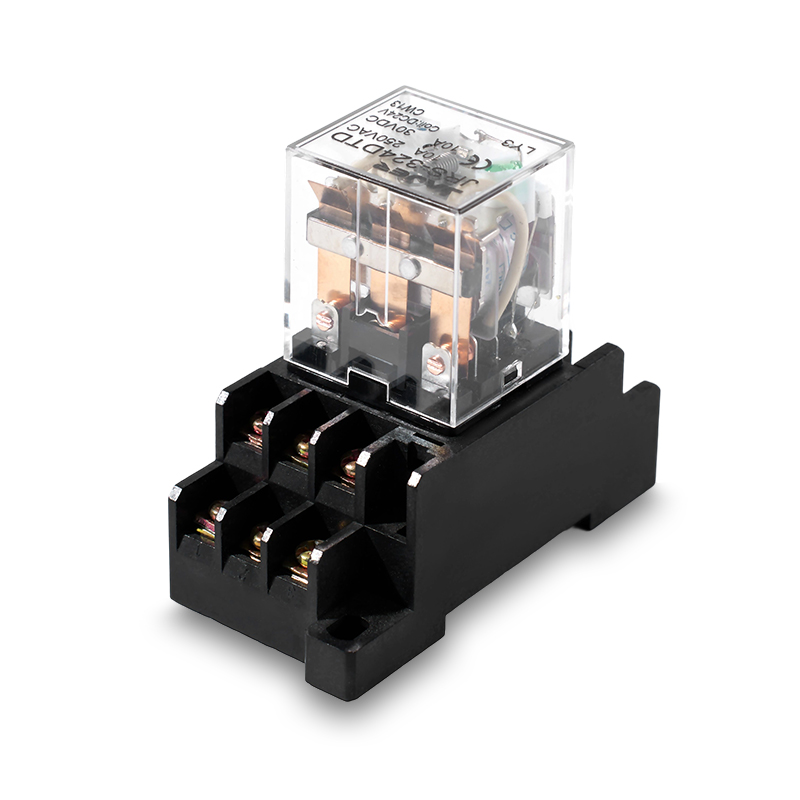
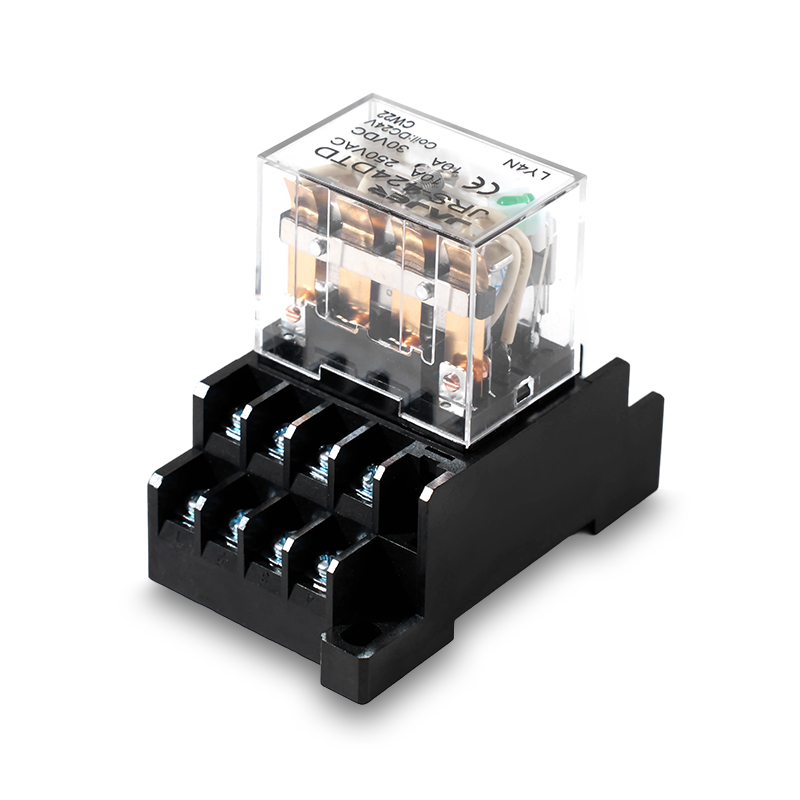
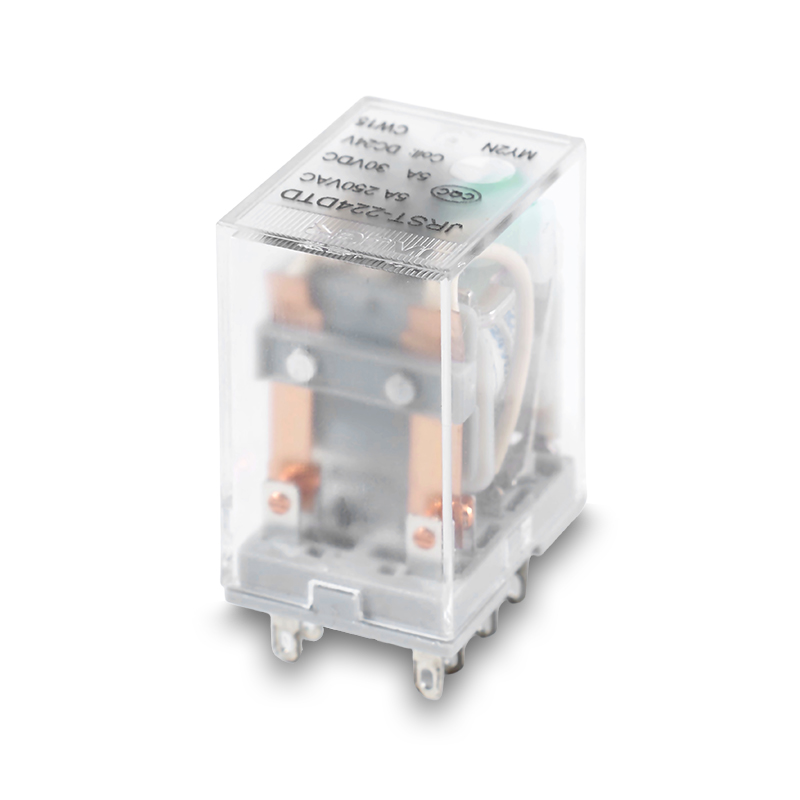
Electronic control systems depend heavily on stable switching components, and reliability issues in relays often lead to unexpected downtime in industrial and communication equipment. Both Miniature Signal Relay and Solid State Signal Relay technologies are widely used in low-power signal switching circuits, yet premature failure still appears in many applications due to thermal stress, electrical overload, and design mismatches.
Our company has analyzed multiple failure cases across automation systems, instrumentation panels, and communication modules. Understanding these causes helps extend relay lifespan and improve system reliability.
1. Overloading Beyond Rated Electrical Parameters
One of the most common failure reasons comes from exceeding design limits.
Typical technical ratings for miniature signal relays:
- Coil voltage: 3V–24V DC
- Switching current: 0.5A–2A
- Contact resistance: ≤100 mΩ
- Insulation resistance: ≥1000 MΩ
Exceeding these values leads to:
- Contact welding in mechanical relays
- Semiconductor breakdown in Solid State Signal Relay designs
- Excess heat accumulation inside compact housings
Research shows that overcurrent and overvoltage are primary contributors to SSR breakdown due to internal semiconductor stress and thermal accumulation.
2. Thermal Stress Inside Miniature Enclosures
Miniature relays are compact, leaving limited space for heat dissipation. Heat buildup directly reduces lifespan.
Key thermal failure effects:
- Coil insulation aging
- Contact oxidation acceleration
- Drift in switching threshold
- Increased leakage current in solid-state structures
In Solid State Signal Relay modules, internal junction temperature may rise above 100°C under continuous load, significantly reducing switching stability.
Our company designs relay packaging with improved copper heat spreaders and optimized PCB layout to reduce thermal concentration in high-density control boards.
3. Electrical Surge and Transient Voltage Damage
Industrial environments frequently generate voltage spikes from:
- Inductive loads (motors, solenoids)
- Power grid instability
- Switching transients
These surges damage both relay categories differently:
- Miniature signal relay: contact pitting and arcing
- Solid State Signal Relay: semiconductor junction breakdown
Even short microsecond spikes can permanently degrade internal MOSFET or triac structures.
Recommended protection elements:
- RC snubber circuits
- MOV surge absorbers
- Flyback diodes for DC coils
4. Mechanical Wear and Contact Erosion
Mechanical miniature relays rely on physical movement, making them vulnerable to long-term wear.
Failure mechanisms include:
- Contact erosion from micro-arcing
- Surface contamination buildup
- Spring fatigue reducing contact pressure
Each switching cycle causes microscopic material transfer, gradually increasing resistance until failure occurs.
Typical lifetime:
- 100,000 to 10,000,000 operations depending on load type
Solid-state versions avoid mechanical wear but introduce thermal and leakage-current challenges instead.
5. Improper Load Matching and Circuit Design Errors
A frequent engineering issue comes from mismatched application conditions.
Examples:
- Using AC-rated relay for DC inductive load
- Applying resistive-load SSR in motor circuits
- Operating near maximum rated current continuously
Common failure symptoms:
- Relay stuck ON
- Intermittent switching
- Unstable trigger response
- Excessive heating during idle state
Improper wiring or load mismatch remains one of the most significant contributors to premature failure in industrial control panels.
6. Environmental Contamination and Humidity Exposure
Compact relay structures are sensitive to environmental conditions:
- Dust accumulation increases resistance
- Moisture causes insulation breakdown
- Chemical vapor leads to corrosion of contact surfaces
Industrial panels without proper sealing may experience accelerated degradation, especially in humid or corrosive environments.
Our company recommends conformal coating and sealed relay modules for harsh industrial conditions.
7. Electrical Noise and EMI Interference
Miniature signal relays often operate in sensitive electronic systems where electromagnetic interference is unavoidable.
Sources include:
- VFD drives
- Switching power supplies
- High-frequency communication lines
Effects:
- False triggering
- Signal jitter
- Random switching in Solid State Signal Relay inputs
Proper PCB grounding and shielding significantly reduce EMI-related malfunction risks.
8. Aging of Semiconductor Components in Solid State Designs
Unlike mechanical relays, solid-state versions degrade at the semiconductor level.
Key aging indicators:
- Increased leakage current
- Slower switching response
- Partial conduction in OFF state
Continuous thermal cycling accelerates internal junction fatigue, leading to eventual failure.
9. Manufacturing Tolerances and Quality Variations
Even within the same batch, miniature relays may show performance differences due to:
- Solder joint quality
- Coil winding precision
- Semiconductor die uniformity
- Housing sealing consistency
High-precision industrial applications require strict component selection and testing procedures to ensure stable operation.
10. Engineering Improvements from Our Company
Our company focuses on improving relay reliability through advanced manufacturing and design optimization.
Key improvements include:
- High-temperature resistant coil materials
- Low-resistance silver alloy contacts
- Reinforced insulation structures
- Optimized thermal conduction paths
- Enhanced surge protection integration
Technical validation ensures:
- Stable operation under 85°C ambient conditions
- Improved switching endurance beyond standard industrial cycles
- Reduced failure rate under inductive load environments
More technical information and product solutions are available on our products.




 English
 русский
 Español