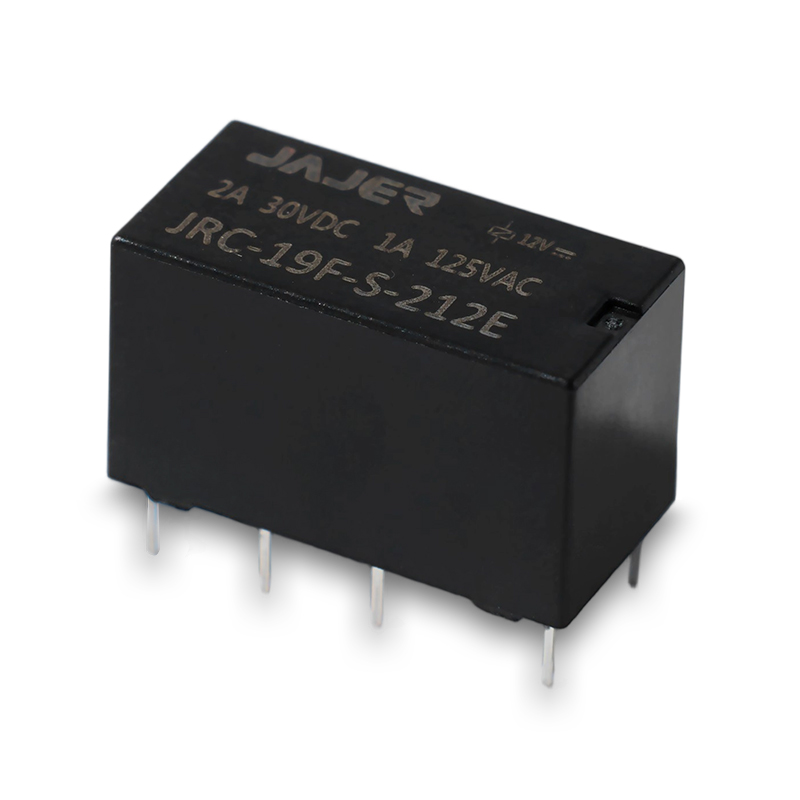
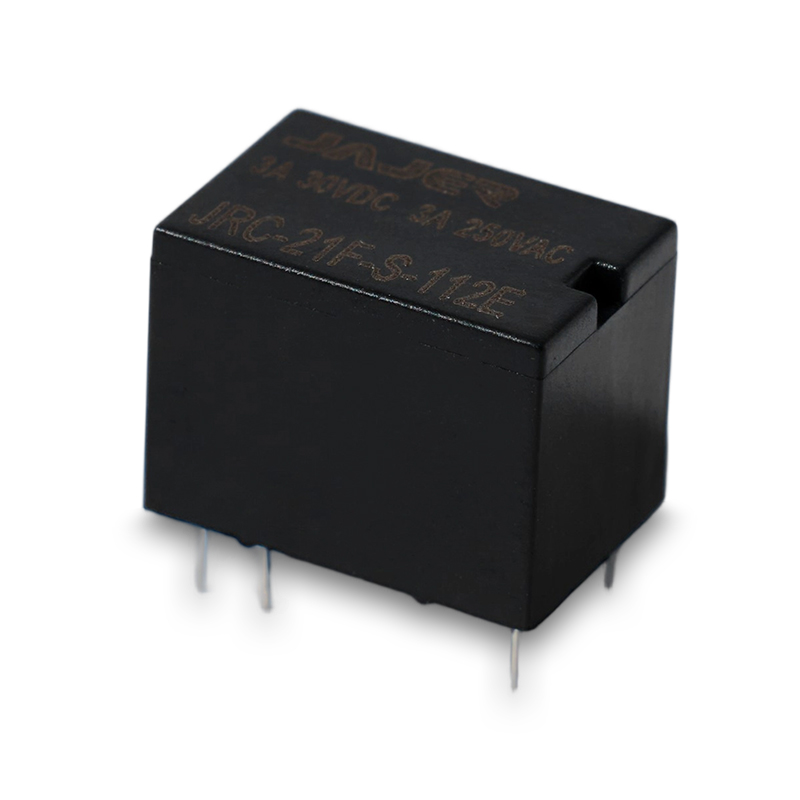
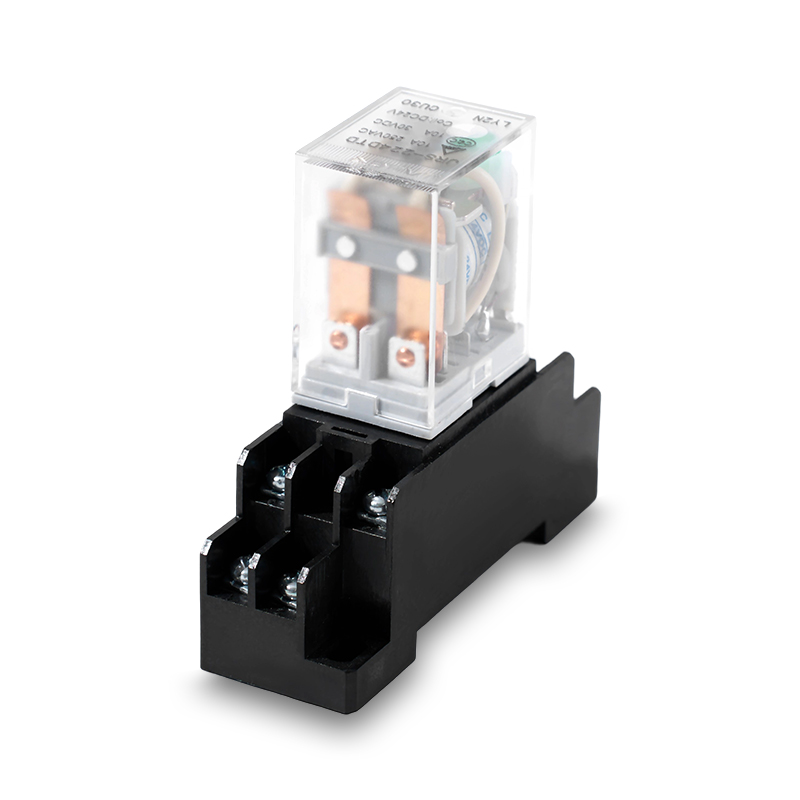
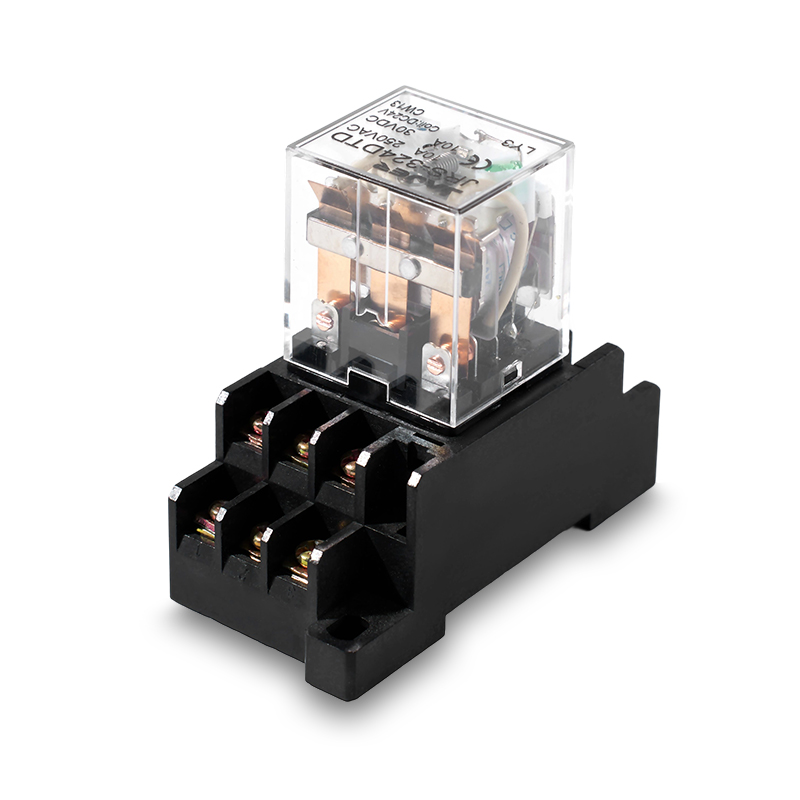
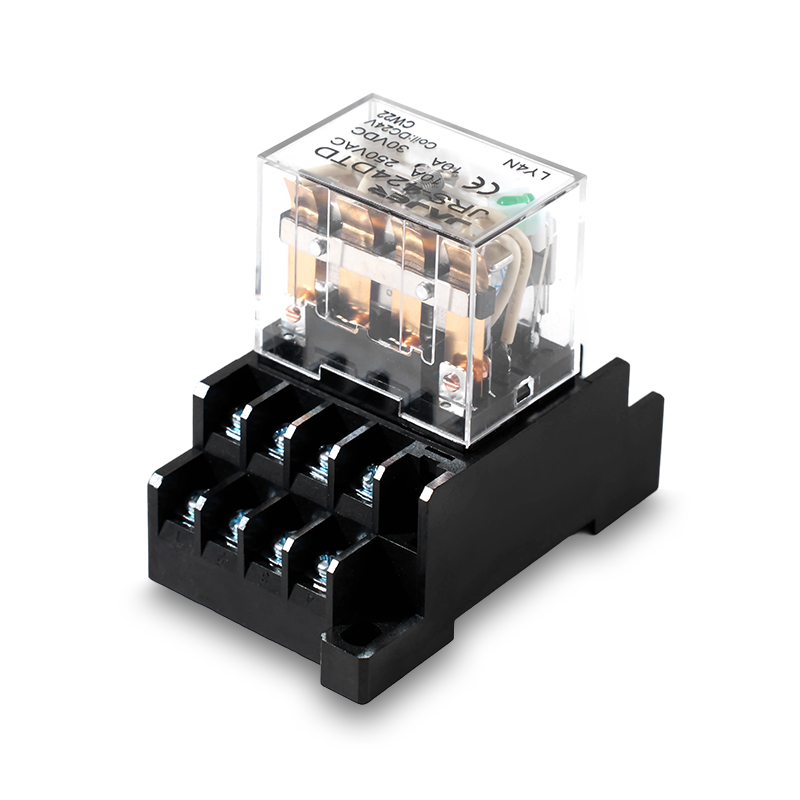
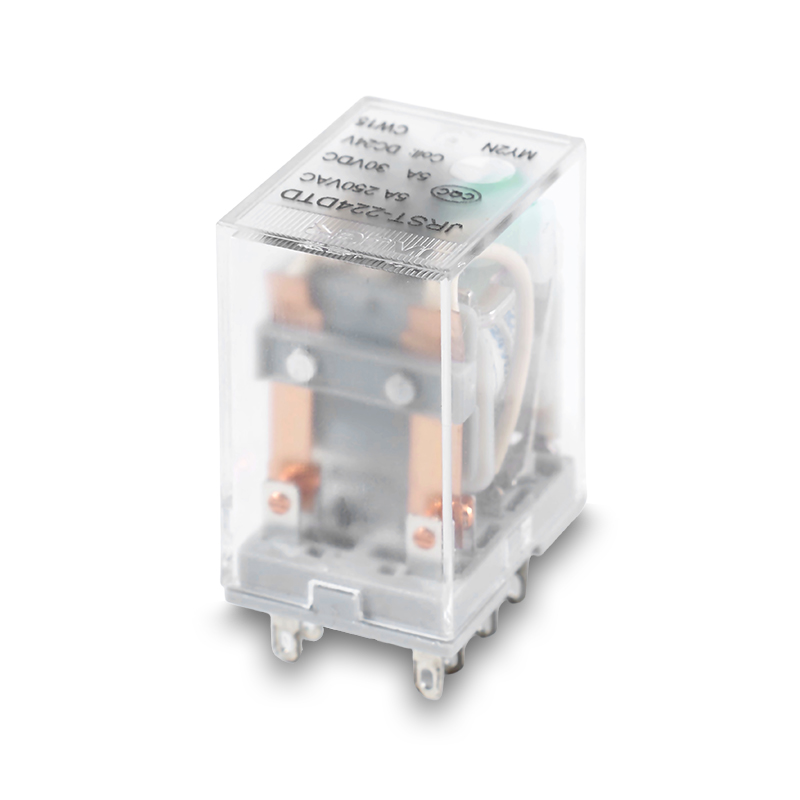
Many technicians and system builders regularly question the safety of an Electrical Control Relay in both residential and industrial applications — especially when it’s used to switch high voltage or inductive loads. Likewise, inquiries about whether a General Purpose Power Relay can safely handle everyday loads such as motors, pumps, and automated switches pop up frequently on online forums and discussion boards. Users wonder how to ensure reliable performance without introducing hazards such as overheating, contact welding, or unintended arcing.
Why Safety Matters with Control and Power Relays
At its core, a relay is an electromagnetic switch separating the low-power control circuit from the load it switches. Users on technical boards repeatedly highlight that this isolation is a key safety feature — but only if the relay is correctly specified and installed.
Key electrical safety concerns raised by professionals and hobbyists include:
Overheating and Coil Stress: Relays can overheat when operated near or above their rated coil voltage for extended periods. High temperatures can degrade insulation and may cause coil burnout.
Contact Wear and Pitting: Repeated switching causes the metal contacts to pit and wear, which increases resistance and produces heat during operation. Over time, this raises risk of failure.
Environmental Effects: Dust, moisture, and inadequate enclosure protection can generate additional safety hazards by compromising internal relay components.
Clearly, safety isn’t a theoretical concept — it’s a practical design consideration every system designer must evaluate.
Common Safety Scenarios Users Talk About
1. Relay Contact Welding
One of the top relay hazards discussed in troubleshooting guides results when heavy loads or inductive spikes cause contact welding. In this scenario, the relay contacts fuse together, leaving the circuit permanently closed and potentially driving current long after it should be switched off. This is a critical safety failure.
Symptoms can include:
Load stays powered even after control signal turns off.
Increased heat at terminal connections.
Unusual smells or visible marks around the relay housing.
Professional and hobbyist platforms emphasize that proper load matching and surge suppression can help reduce the risk of welding.
2. Chattering and Erratic Behavior
Users often report an effect known as relay chattering, where contacts rapidly open and close due to insufficient control voltage or improper circuit design. This is not only a reliability issue but also a potential safety problem because chattering generates arcing that may rapidly degrade contacts and cause overheating.
Common triggers include:
Insufficient control signal voltage to fully energize the coil.
Load side interference or high inrush current causing instability.
Poor wiring practices or insufficient connector torque.
3. Misapplication of Voltage Ratings
A recurring topic on electrical forums is whether a control relay rated for one voltage type can safely switch another. For example, users ask if a relay designed for low-voltage DC signals can be used on a high-voltage AC load. While in some cases this may be technically possible when the contacts are correctly rated, overstepping these ratings can result in insulation failure, arcing, or contact erosion — all safety concerns.
Relay safety factors include:
Coil voltage rating vs. load voltage rating.
AC vs. DC switching behavior (AC naturally crosses zero current; DC does not).
Thermal endurance and ambient temperature effects.
4. The Importance of Proper Wiring and Installation
Users often underestimate the role of correct installation in relay safety. Loose wiring or incorrect terminal connections are frequently mentioned as underlying causes of overheating and failure.
Risks associated with poor installation include:
High contact resistance due to loose screws or connectors.
Short circuits caused by poor insulation or neglecting to use protective covers.
Relay failure due to environmental contamination in inadequately sealed housings.
Ensuring that installation follows code standards and that connections are secure is a core part of safe relay operation.
Tips for Safe Everyday Relay Use
Here are practical guidelines based on real user experience and technical discussions:
Match Ratings Closely: Always ensure the relay’s contact and coil ratings exceed the expected operating conditions.
Protect Against Surges: Using snubbers or MOV suppression can reduce arcing and contact wear in inductive loads.
Regular Inspection: Periodic check of contact surfaces and coil condition helps catch wear before it becomes dangerous.
Environmental Protection: Enclosures and sealed designs reduce moisture and dust ingress that can affect safety, especially in industrial environments.
These guidelines are widely noted across troubleshooting guides and user reports as practical steps to enhance relay safety.




 English
 русский
 Español