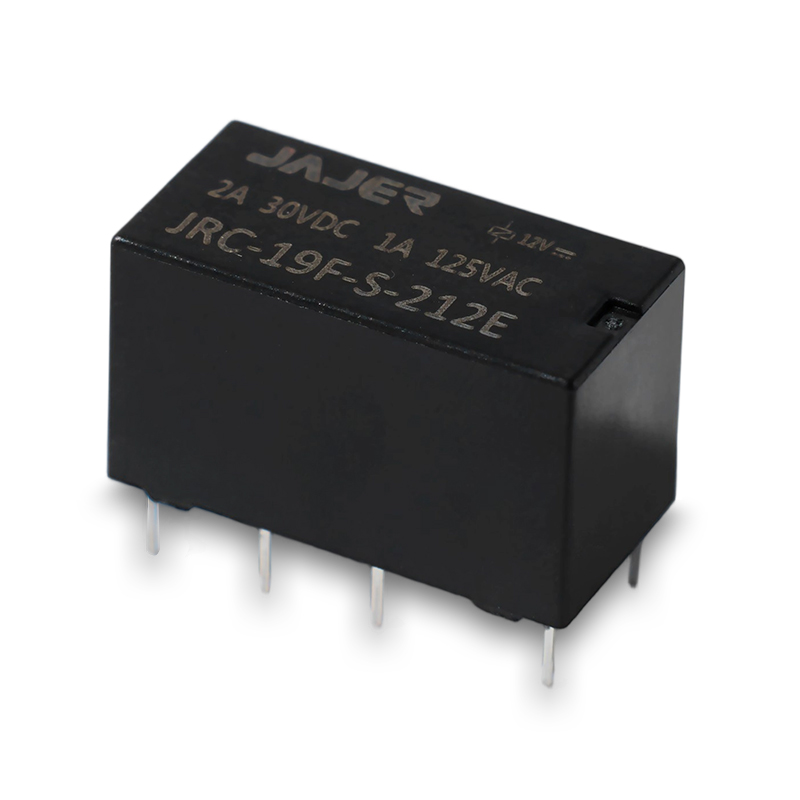
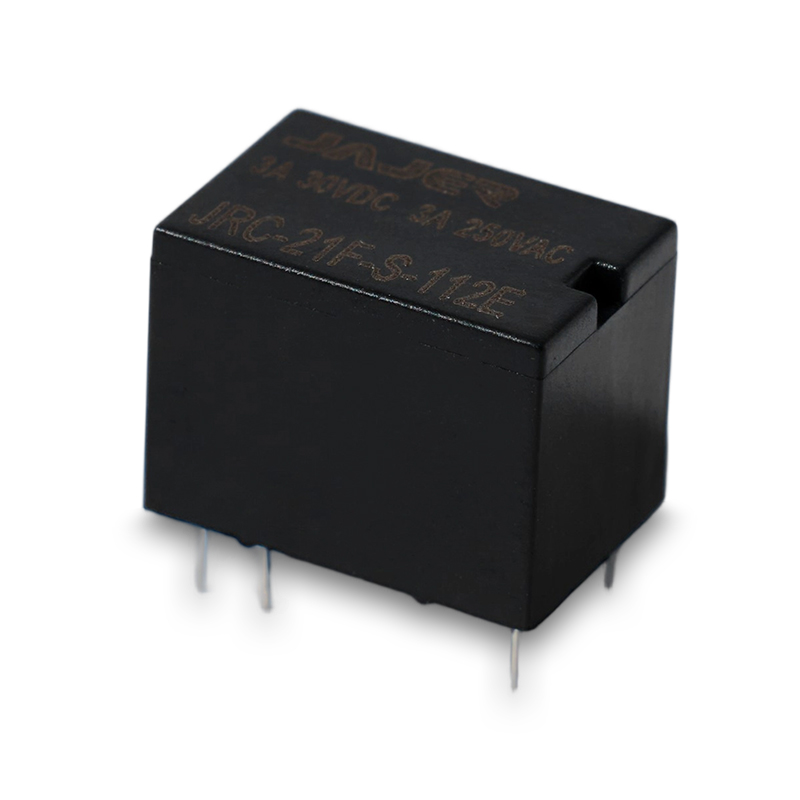
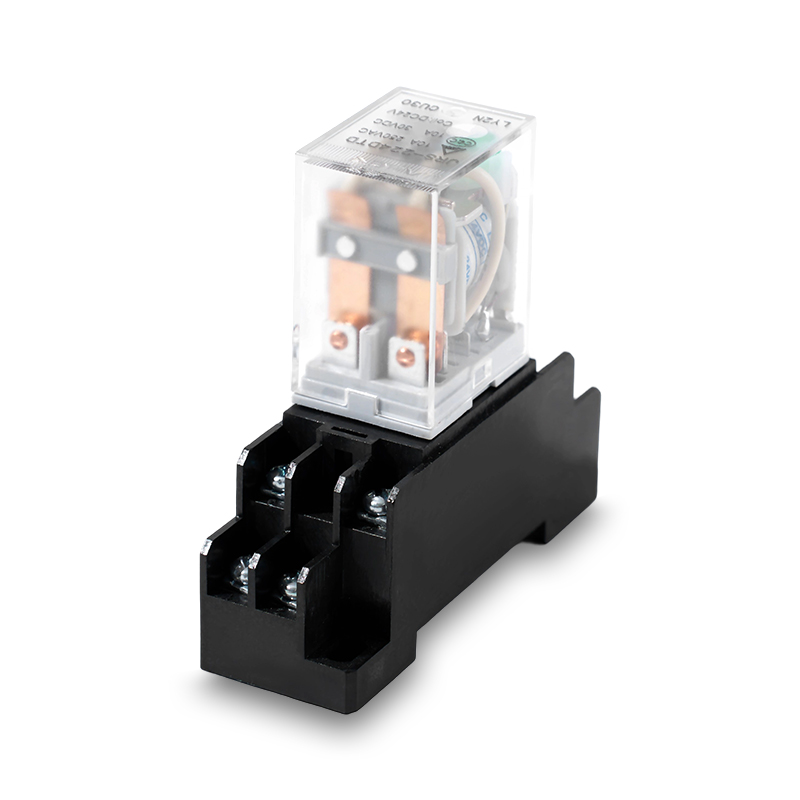
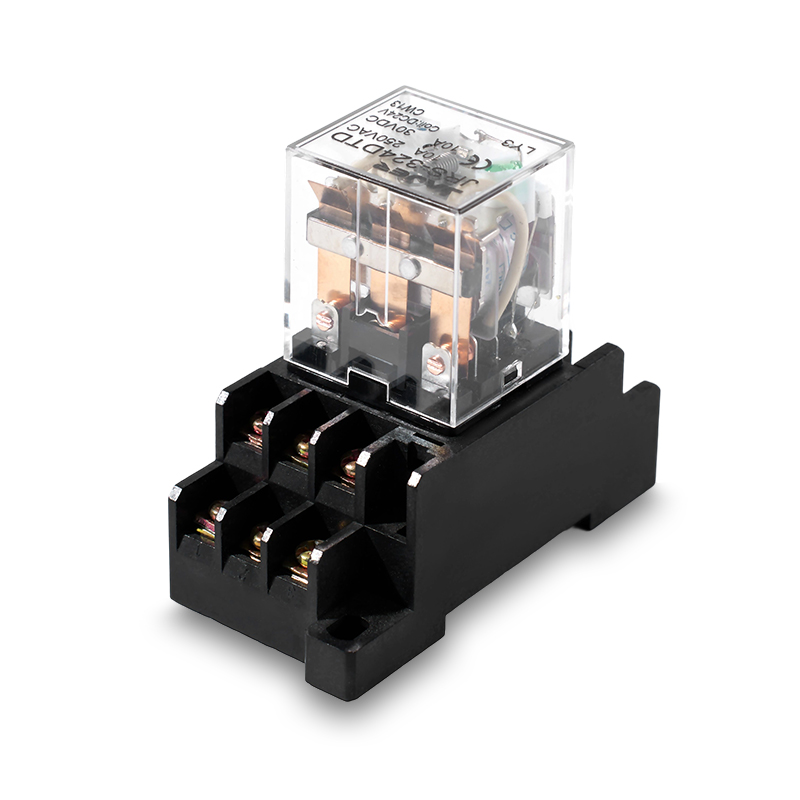
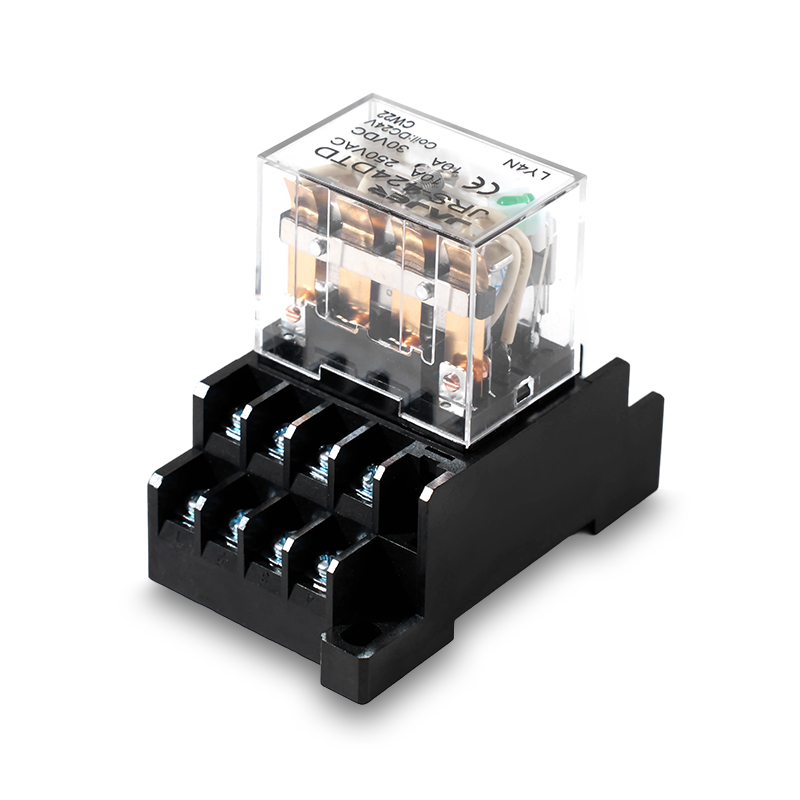
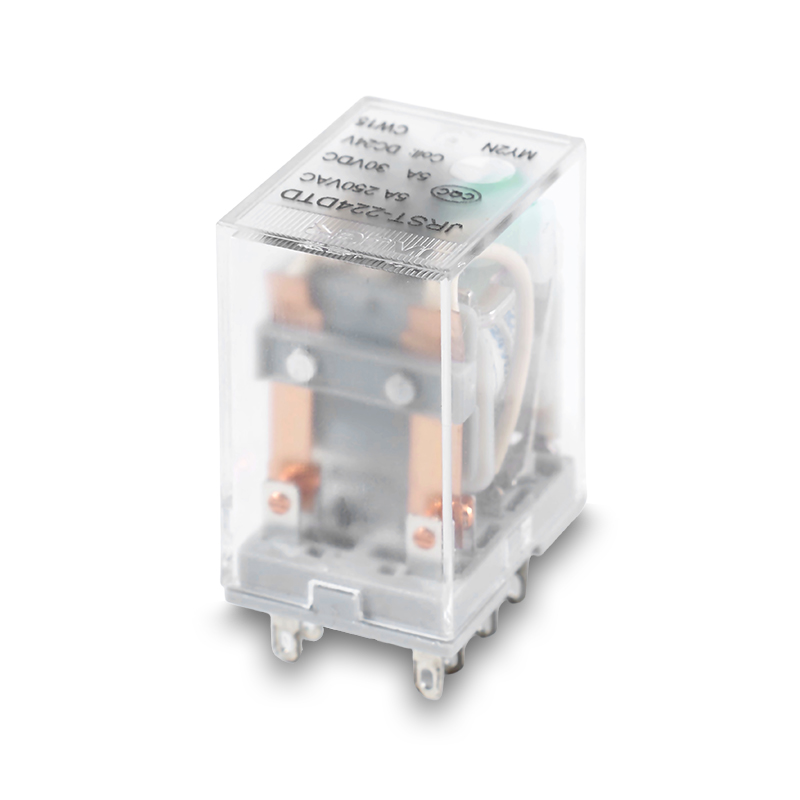
Electricians, engineers and DIY enthusiasts often encounter situations where a General Purpose Power Relay behaves unpredictably under load. At the heart of many discussions online is the question of whether these relays are truly operating as expected when subjected to real-world electrical stress, and how this compares with typical Electrical Control Relay behavior in similar circuits.
This article collects current concerns from forums and technical discussions, so anyone evaluating relay use in control cabinets, automation platforms, or simple switch circuits can better understand common problems — and how to think about them.
Why Does a Power Relay Fail Under Load?
A frequently reported issue is that a relay seems to fail or trigger repeatedly under a specific load condition, even when everything appears wired correctly. Users have noted cases where relays used with motors or pumps repeatedly trip or fail after a few cycles. One underlying reason is that inductive loads (like motors) generate high inrush currents that exceed the contact ratings of the relay, which causes contacts to wear dramatically faster than expected.
Other times, the coil itself may overheat if run beyond its rated voltage or in a poorly ventilated environment. Excessive heat buildup can break down insulation over time, causing coil burnout or erratic switching behavior — symptoms frequently seen in both general power and electrical control relays.
Common Troubles Users Share Online
From community threads across various platforms, three consistent themes emerge regarding relay malfunctions:
Failure to Energize or De-Energize
Users report the relay does not activate when expected or stays engaged too long. This can be caused by worn or dirty contacts, poor contact resistance, or simply selecting a relay with insufficient rated load.
Erratic Operation Under Repeated Cycling
Relays subject to frequent switching can exhibit chattering or unstable contact states. Over time, the mechanical parts inside cannot keep pace with high-frequency cycles, especially when load demands fluctuate.
Thermal and Environmental Stress
High ambient temperature, moisture or dust can turn what was a reliable switching device into a problem component quickly — especially in harsh industrial settings.
Understanding these patterns helps users anticipate when a relay is likely to struggle in real life, rather than just on paper.
What Should You Consider Before Choosing a Relay?
A common mistake is selecting a relay purely based on its coil voltage and neglecting other parameters that directly impact performance under load. Here are practical considerations:
Rated Load vs. Actual Load:
Ensure the relay’s contact ratings (current and voltage) comfortably exceed the anticipated load. Continuous operation at or near the rated limit accelerates wear.
Environment Matters:
Dust, high humidity and poor airflow increase the likelihood of failures. Where possible, place relays in enclosures or cabinets with controlled conditions.
Maintenance and Inspection:
Periodic inspection of relay contacts and housing — especially in frequently cycled circuits — can catch early deterioration before it leads to system failure.
These steps can make a significant difference in reliability — whether you’re working with a general application power relay or an electrical control relay in more complex systems.
Lessons from the Field
Discussions from experienced technicians highlight a common truth: the root cause of relay issues is rarely a single factor. Instead, it often comes down to a combination of design, environment, and load characteristics.
For example, one online poster described a situation where a household relay controlling a well pump failed shortly after switching to grid power — even though the circuit had worked well with previous power sources. This suggests that stable voltage supply and load dynamics can play a surprising role in relay performance.
Seeing patterns like this helps designers and engineers make smarter decisions about how to specify, install, and maintain relays.
Wenzhou Jiajie Electric Co., Ltd. emphasizes that choosing relays with appropriate ratings and performing routine checks are critical to avoiding unexpected interruptions — a lesson backed up both in technical forums and field practice.
Stay tuned for more insights into common electrical control topics that affect everyday engineering decisions.




 English
 русский
 Español