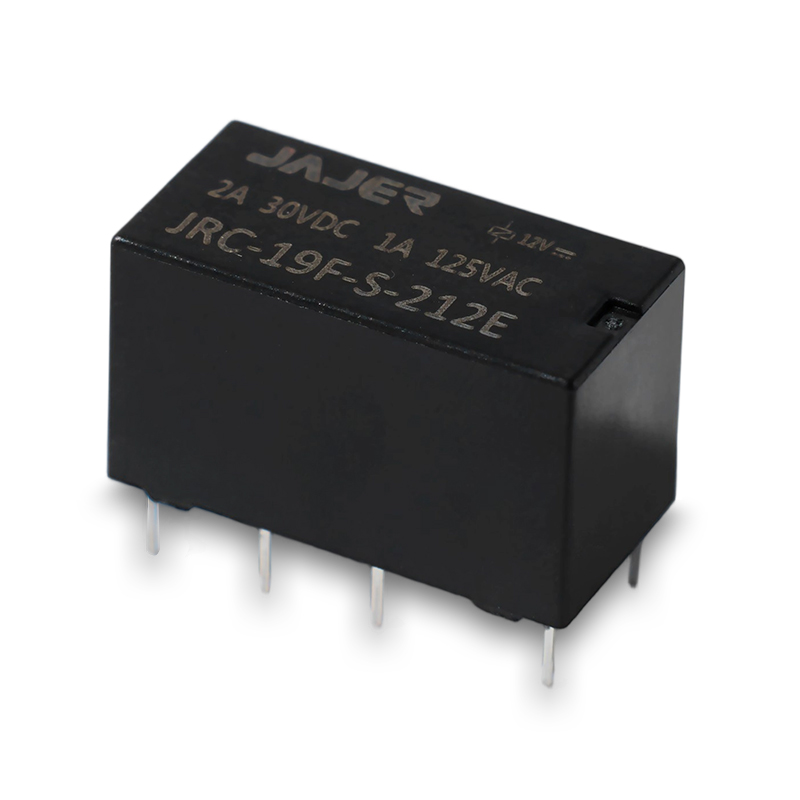
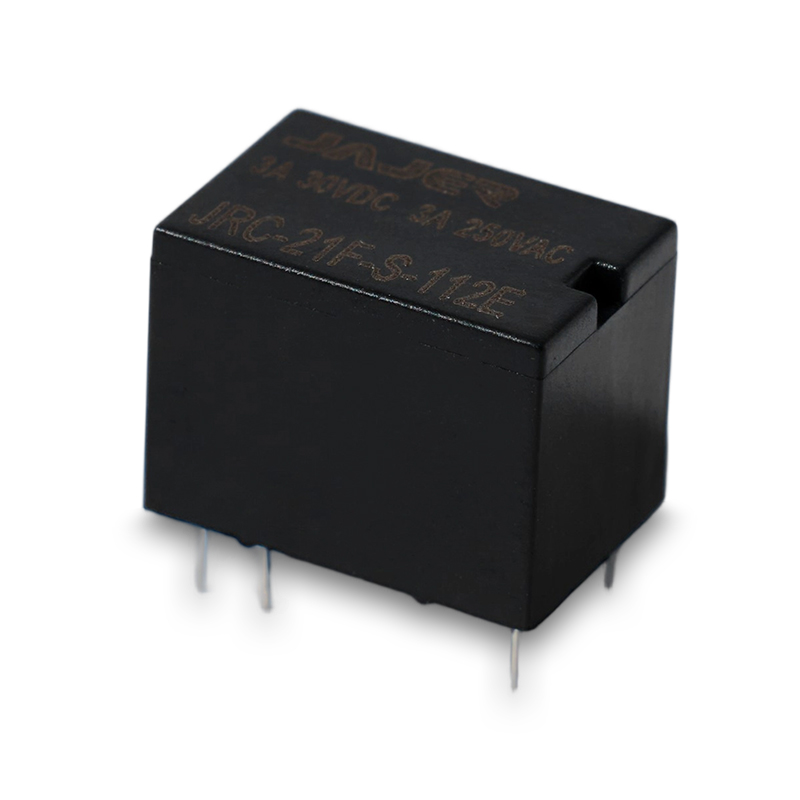
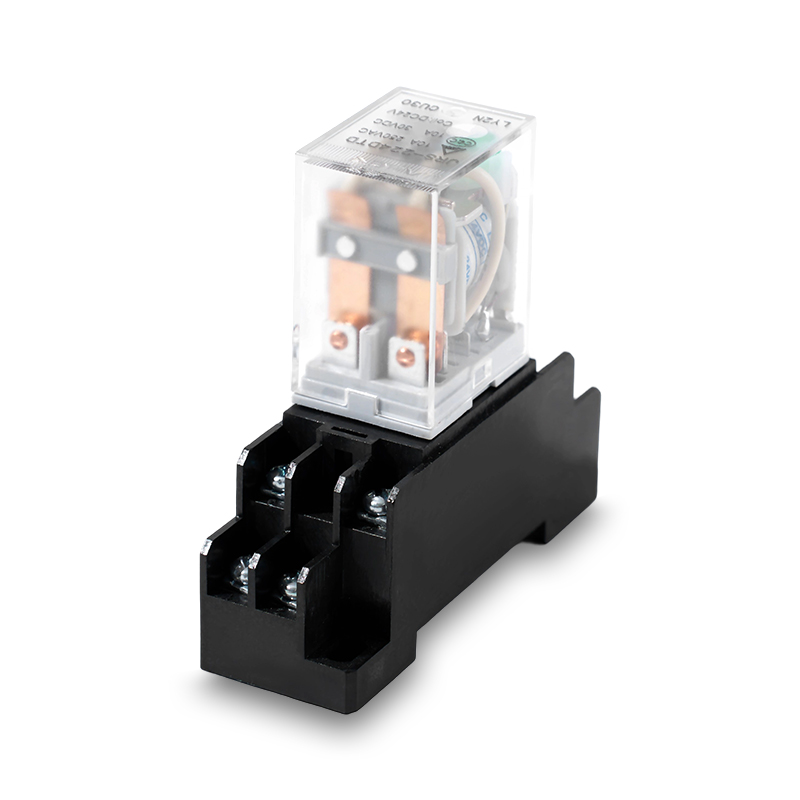
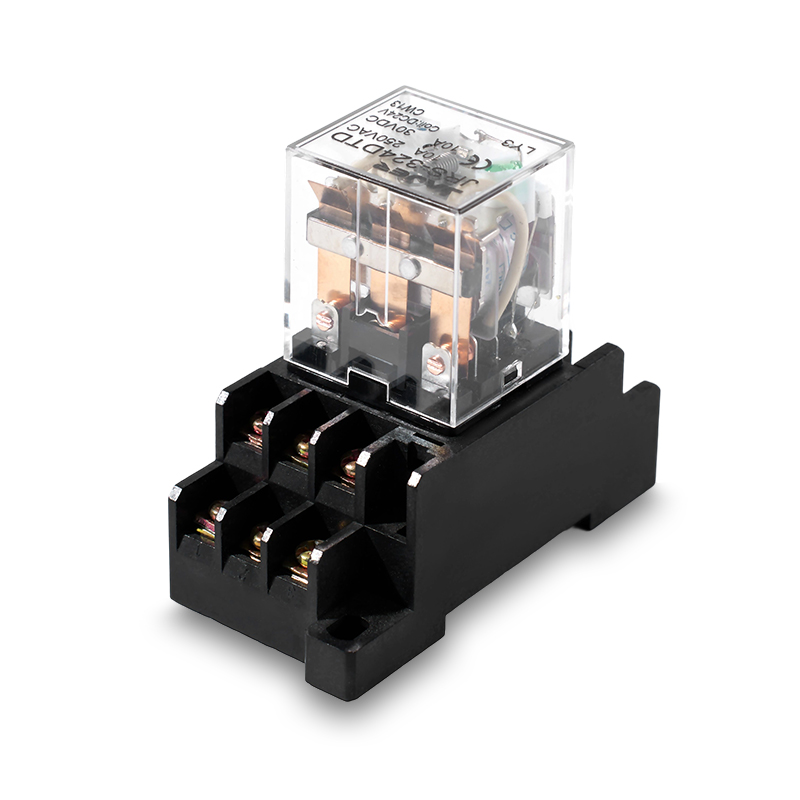
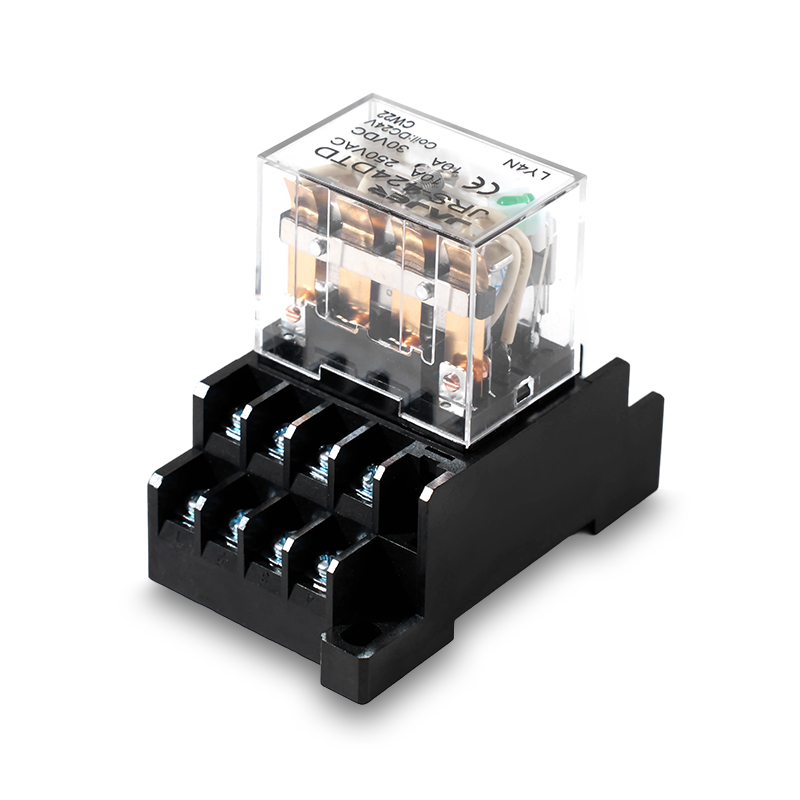
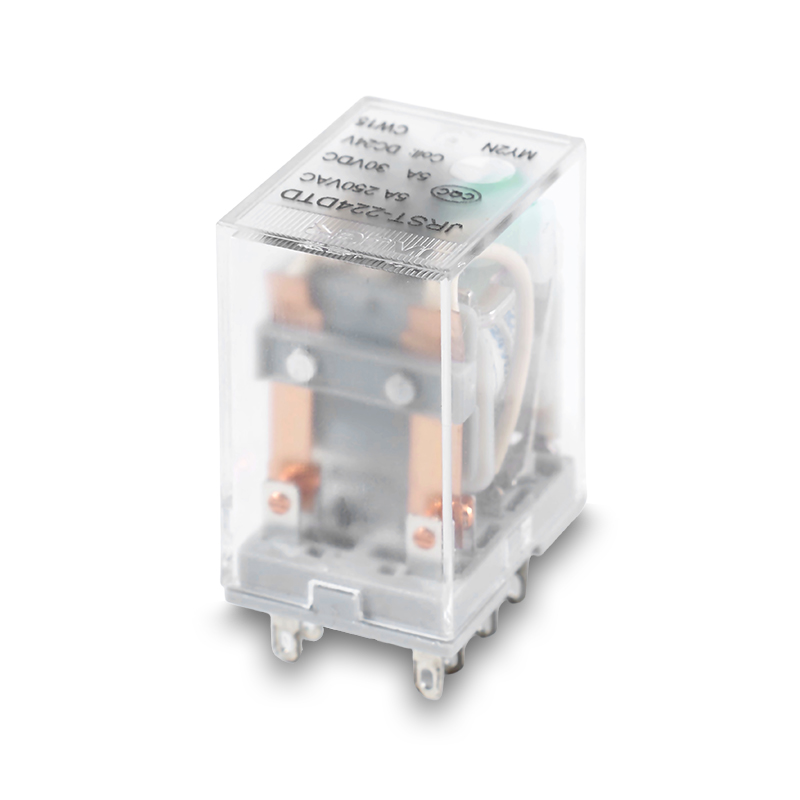
Unexpected failures of an Electrical Control Relay rank among the more talked-about issues on engineer forums and DIY communities. Users often report that a relay stops switching reliably well before its expected service life — whether it’s controlling a motor, lighting circuit, or automation panel. Likewise, questions about General Purpose Power Relay wear and early degradation surface frequently, especially in industrial or high-cycle applications.
Learning from real user experiences helps shed light on why these components fail early, and what practical steps professionals take to reduce malfunction risks.
1. Electrical Overload and Current Stress
One of the more common causes of relay failure comes down simply to load conditions. When a relay is exposed to greater current than it is designed to handle, its contacts can overheat, melt, or even become welded shut. This issue is widely discussed by technicians who share their experiences of relays failing after switching inductive loads like motors or pumps without adequate protection.
Failure symptoms include:
Contacts welded together, so the relay stays closed permanently.
Burnt or blackened contact surfaces from arcing and high current.
The relay heats up noticeably before failing.
Properly matching rated load current to the actual system load is essential, especially if a relay is expected to operate near its capacity often. Wenzhou Jiajie Electric Co., Ltd. emphasizes specifying a relay with appropriate overload tolerance and, when necessary, adding suppression components to protect contacts.
2. Mechanical Wear and Contact Degradation
Unlike solid-state switches, electromechanical relays rely on moving parts to open and close circuits. With repeated switching cycles, these mechanical parts naturally wear down. Over time, contact surfaces can erode or pit due to repeated electrical arc effects, increasing resistance and degrading performance.
Users have described issues where:
Contacts become noisy, rough, or uneven.
The relay chatter increases as the mechanism ages.
Relay operation becomes unpredictable under frequent cycling.
Mechanical fatigue is especially a concern in high-duty automation systems where a control relay may be switching thousands of times per day. Choosing relays rated for high cycle life is critical in these settings.
3. Heat, Environmental Stress, and Moisture
Environmental conditions play a significant role in relay longevity. High temperatures can degrade coil insulation and accelerate wear, while moisture and humidity contribute to contact corrosion and unreliable switching behavior. Dust and other contaminants may also impede mechanical motion inside the relay.
Common user-reported effects include:
Relay failures after prolonged exposure to heat with poor ventilation.
Corrosion-related issues in damp or dusty environments.
Erratic or intermittent operation during temperature extremes.
Placing relays in protected enclosures with adequate cooling can help mitigate these effects — especially for control relays in industrial panels or outdoor use.
4. Installation and Wiring Errors
Beyond inherent part wear, installation mistakes rank high in user discussions about relay failure causes. Loose wiring, improperly crimped terminals, and incorrect voltage supply to the coil often result in early malfunction.
Examples include:
Loose contact points causing high resistance and heating.
Supply voltage that doesn’t match the relay’s coil rating, causing intermittent control signals.
Vibration stress loosening internal or external connections.
Users on technical forums frequently recommend double-checking all connections and power ratings before concluding a relay has failed.
5. Fault Symptoms Users Report more Often
Across various discussion platforms, users share similar observable symptoms before a relay completely fails:
No clicking sound: The relay doesn’t switch even though control signal is present.
Intermittent activation: Relay energizes irregularly, causing erratic system behavior.
Strange noises: Buzzing or chattering when switching signals.
Smell of overheating: Suggests contact damage or coil stress.
These shared user reports highlight not just failure causes, but early warning signs that can help professionals catch issues before total shutdown.
Selecting the right type of relay for the load, ensuring proper installation, and considering environmental protections can significantly improve reliability. Experts and manufacturers such as Wenzhou Jiajie Electric Co., Ltd. advocate for periodic inspection and choosing components with appropriate ratings to extend service life and reduce unexpected downtime.




 English
 русский
 Español