English
 русский
 Español
Home / News / Industry News / Reducing Control Panel Wiring Problems Through Better Signal Relay Integration
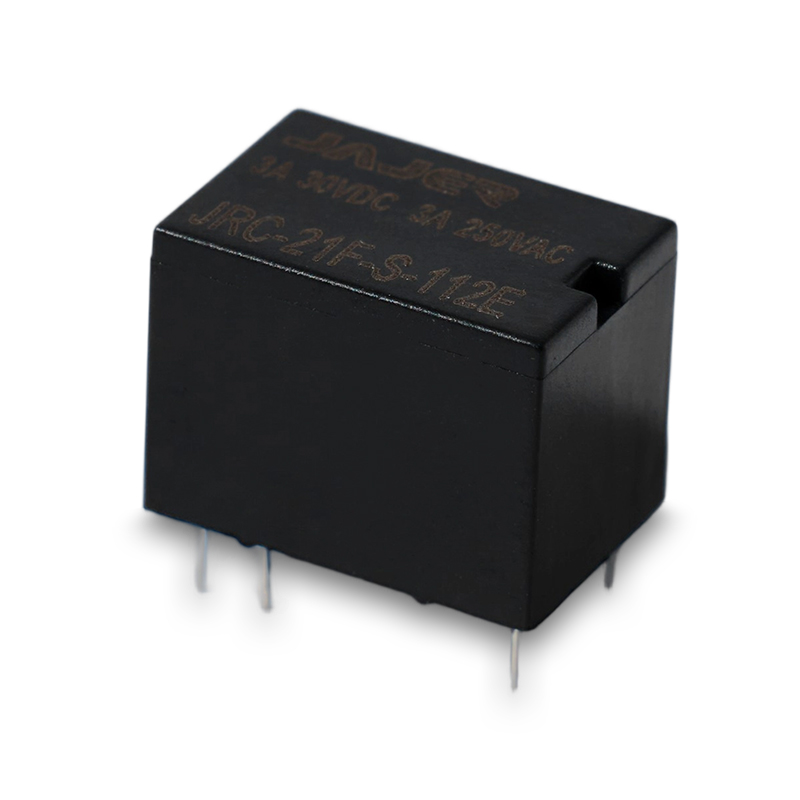
As industrial equipment becomes more compact, control panel manufacturers face increasing pressure to organize electrical components without making installation and maintenance more difficult. Limited cabinet space, complicated wiring routes, and inconvenient component replacement can all affect production efficiency. A Signal Relay plays an important role in connecting control signals with external circuits, but its performance is only part of the overall consideration. For automation equipment manufacturers, selecting a relay that fits the panel structure and wiring requirements can help prevent installation errors and simplify future maintenance.
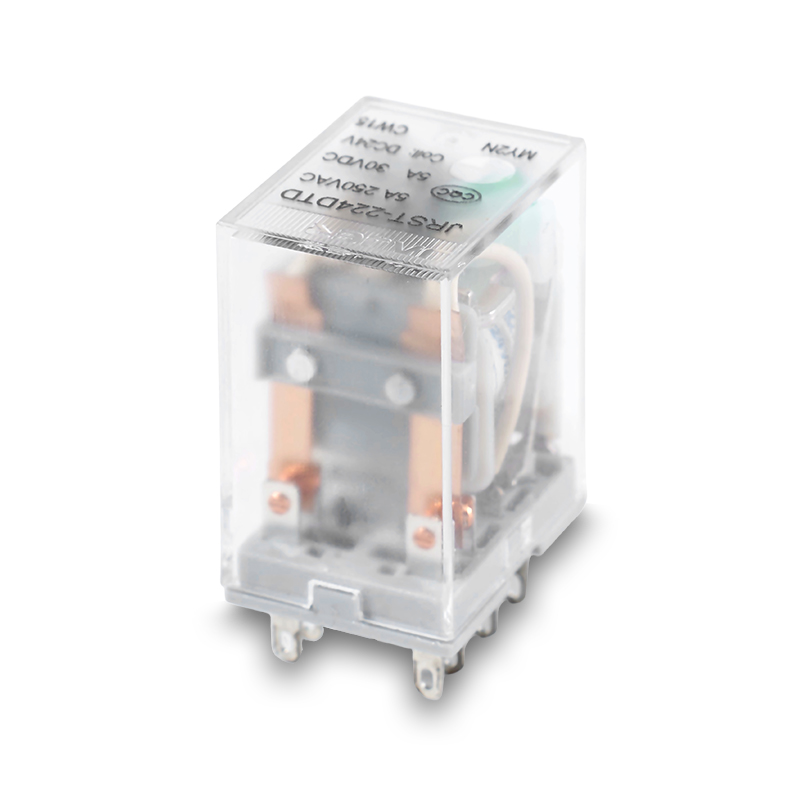
Control cabinets often contain PLCs, terminal blocks, power supplies, circuit protection devices, and various interface components. When these parts are arranged without considering their physical dimensions and connection positions, wiring may become crowded.
A suitable relay should match the available installation space while allowing sufficient room for electrical connections and inspection.
During product selection, engineers should consider:
For OEM manufacturers, reviewing these details during the design stage can reduce unnecessary adjustments during panel assembly.
Terminal connections directly affect how easily technicians can complete electrical wiring. Poor accessibility or unclear terminal identification may increase installation time and create opportunities for incorrect connections.
When evaluating a Signal Relay, buyers should examine terminal markings, connection methods, conductor compatibility, and wiring instructions. Screw terminals and other connection structures may suit different assembly preferences.
As a manufacturer, we recognize that terminal consistency is important for repeat production. Clear identification and consistent assembly help technicians follow wiring diagrams more accurately across different equipment batches.
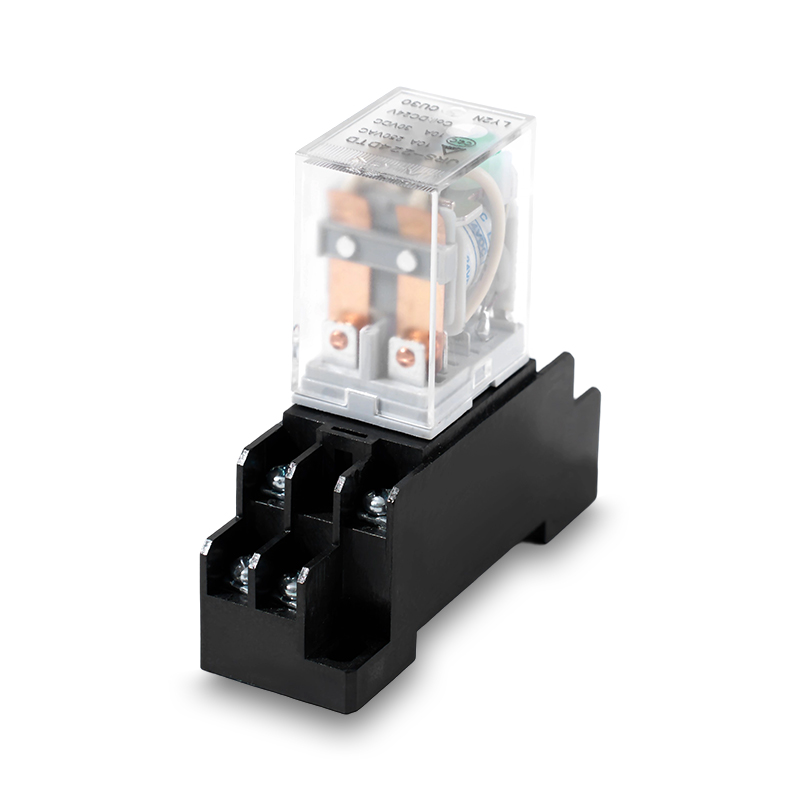
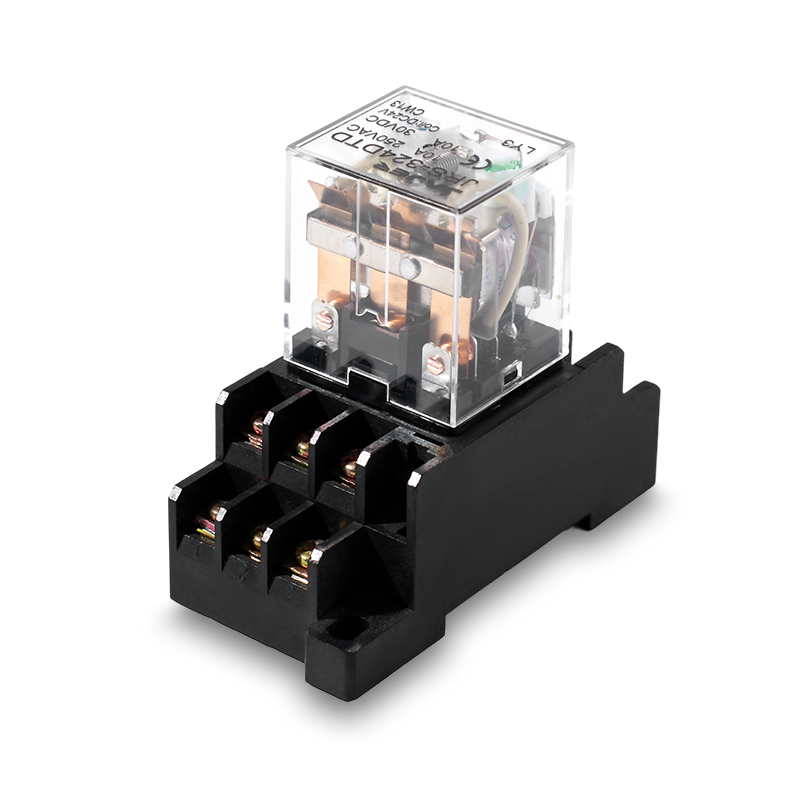
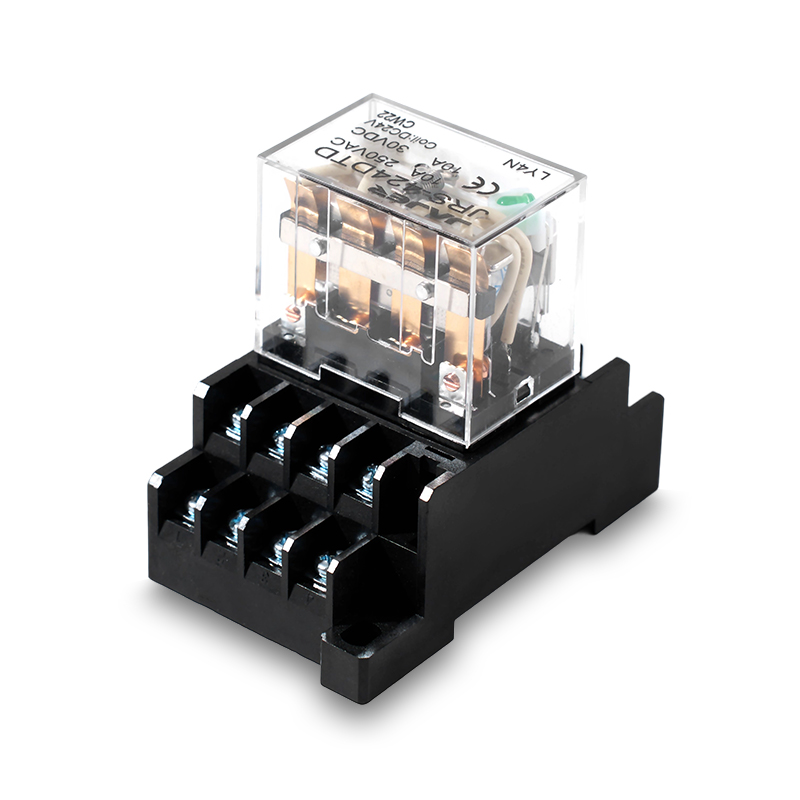
In industrial control panels, maintenance teams often need to replace individual components without disturbing surrounding wiring. A compatible relay socket can make this process more convenient, particularly in equipment designed for regular inspection and servicing.
However, socket compatibility should be confirmed before purchasing. Engineers need to check the relay dimensions, pin arrangement, terminal configuration, and rated electrical characteristics.
A mismatched socket may prevent proper installation even when the relay itself meets the electrical requirements. For distributors supplying multiple equipment manufacturers, confirming complete relay and socket compatibility is therefore an important part of order preparation.
Electromagnetic interference can affect sensitive control signals, especially when relay wiring is installed close to motor drives, switching power supplies, or other sources of electrical disturbance.
Although a relay provides switching and circuit separation, it cannot independently eliminate every source of interference.
Engineers should pay attention to several installation details:
These measures help create a more stable electrical environment and reduce avoidable troubleshooting during commissioning.
Not every relay is designed for the same operating frequency. In applications involving frequent signal changes, engineers should consider mechanical life, electrical life, switching speed, and contact behavior.
Electromechanical relays use moving contacts, making their switching characteristics different from those of solid-state devices. For applications requiring frequent switching or operation without mechanical contact movement, an optocoupler or solid-state interface may also deserve consideration.
The correct choice depends on the required isolation, load characteristics, response time, and maintenance expectations rather than switching speed alone.
For overseas wholesalers, panel builders, and equipment manufacturers, consistent product specifications are essential when purchasing relays in bulk. Variations in pin dimensions, coil characteristics, terminal assembly, or contact performance may cause difficulties during automated or manual installation.
Our manufacturing inspection focuses on product assembly, electrical characteristics, contact operation, and connection consistency according to the applicable product specifications.
Clear technical communication also helps buyers confirm whether a selected relay is suitable for their existing equipment or a new control panel design.
Before confirming a bulk order, purchasing teams should provide the relay's intended application and relevant technical requirements. These typically include coil voltage, contact arrangement, switching load, mounting method, operating environment, and socket requirements.
Sharing this information with the manufacturer allows the technical team to review product compatibility before production and delivery.
As industrial control panels continue to accommodate more electronic components within limited installation spaces, component integration deserves attention from the beginning of equipment design. A properly selected Signal Relay can support organized wiring, convenient replacement, and dependable switching, helping equipment manufacturers maintain consistent assembly and maintenance practices.
Quick Contact
Yueshang Innovation Park, Wengyang Street, Yueqing City, Zhejiang, China
Pages
Products
Stay In Touch
If you have any questions or need help, feel free to contact with our team.

Power distribution electromagnetic relay manufacturers