English
 русский
 Español
Home / News / Industry News / Maintaining Signal Relay Performance in Demanding Industrial Environments
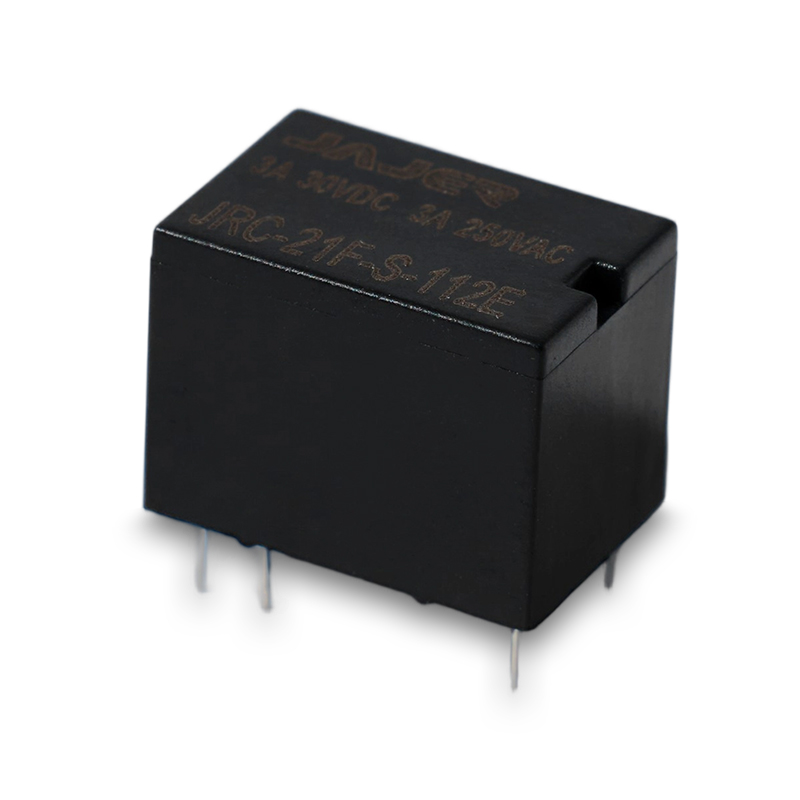
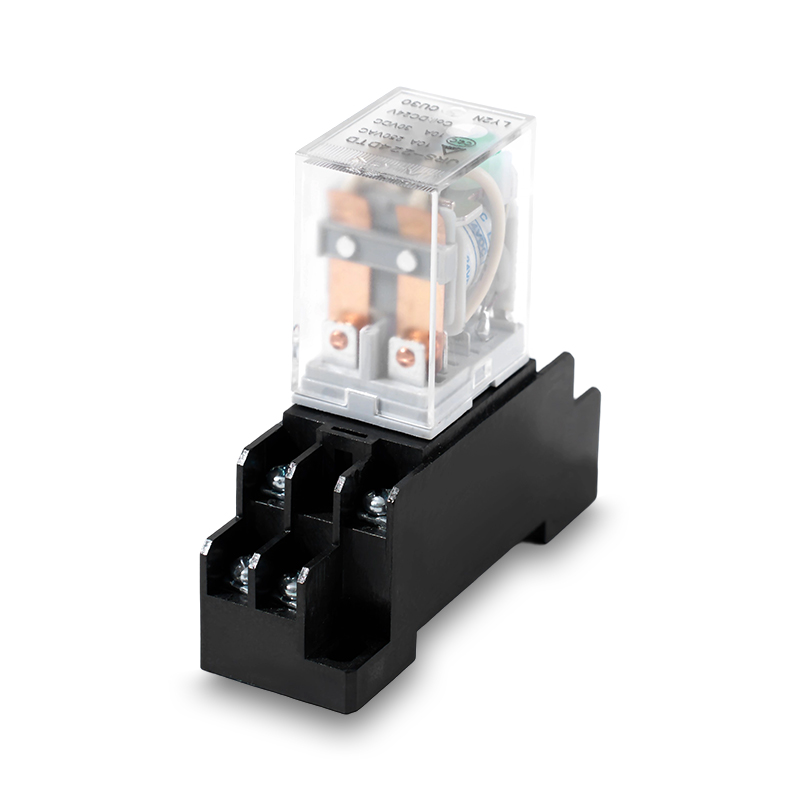
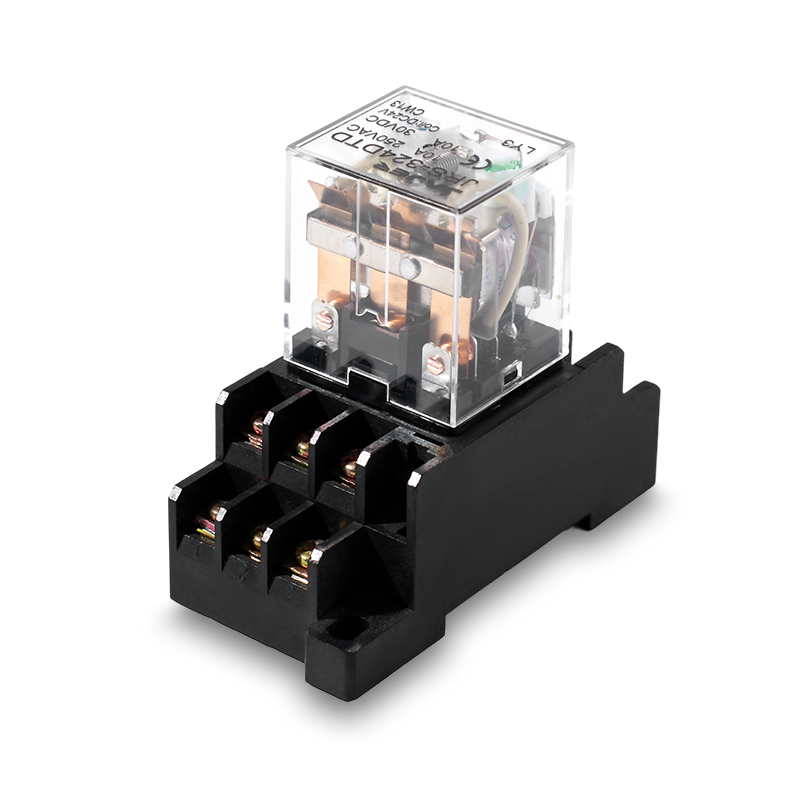
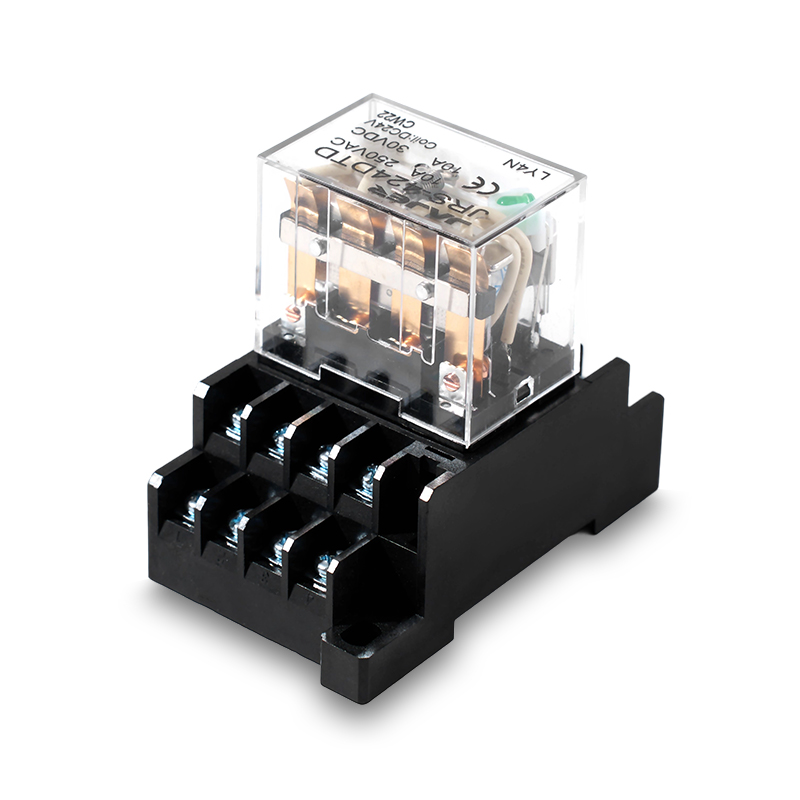
Industrial equipment does not always operate in clean, temperature-controlled environments. Machinery installed in production workshops, outdoor electrical cabinets, transportation equipment, and industrial facilities may experience vibration, humidity, dust, and frequent temperature changes. These conditions can gradually affect electrical components and cause unexpected switching problems. A Signal Relay used in these applications must therefore match not only the circuit requirements but also the surrounding working conditions. For equipment manufacturers and bulk buyers, understanding environmental compatibility helps reduce component failures and avoid unnecessary maintenance.
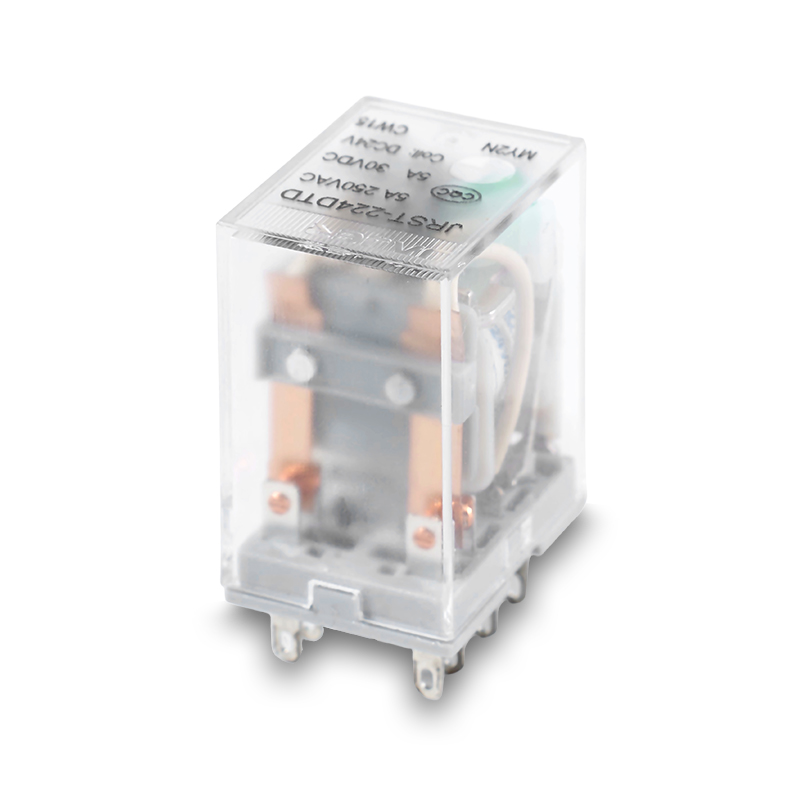
Temperature is an important factor in relay selection, particularly when components operate inside enclosed electrical cabinets. Heat generated by energized coils and nearby electrical devices can raise the actual operating temperature beyond the surrounding room temperature.
Excessive heat may affect coil insulation, contact characteristics, and the service life of internal components. Low temperatures can also influence mechanical response and operating characteristics.
When evaluating a relay, engineers should check:
We recommend evaluating the temperature around the actual installation position rather than relying only on general workshop conditions.
Industrial machinery, vehicle control systems, and production equipment may generate continuous mechanical vibration. If a relay is installed on an unsuitable mounting surface, vibration can affect its internal moving components and external electrical connections.
Potential problems include intermittent contact, loose terminals, and changes in switching behavior.
To reduce these risks, equipment designers should consider the following installation practices:
For applications involving frequent mechanical movement, checking the manufacturer's vibration specifications is particularly important.
Moisture and airborne contaminants can gradually affect relay performance. Humidity may contribute to corrosion around metal connections, while dust and industrial particles can interfere with exposed contact areas or accumulate around electrical terminals.
The appropriate protective construction depends on the actual working environment. Enclosed or sealed relay designs may be suitable for applications exposed to dust or moisture, but buyers should verify the protection characteristics rather than assume that every enclosed product is waterproof.
For equipment operating near chemical vapors, salt exposure, or frequent cleaning processes, additional environmental compatibility checks may be necessary.
Some industrial systems keep relay coils energized for extended periods. Under these conditions, coil heating becomes an important part of component selection.
An unsuitable coil specification or inadequate ventilation may contribute to excessive internal temperature. This can gradually affect insulation materials and operating stability.
Engineers should review the rated coil voltage, continuous operating conditions, power consumption, and allowable temperature rise. They should also consider whether the application requires a continuously energized relay or an alternative switching arrangement.
These checks help prevent avoidable problems during long operating periods.
Not all signal relays require the same enclosure design. A relay used inside a clean electronic control cabinet may have different protection requirements from one installed near machinery or in an outdoor equipment enclosure.
When comparing products, buyers should pay attention to:
As a manufacturer, we consider the intended application an important reference when reviewing relay construction and product specifications. Selecting protection according to actual exposure is more practical than choosing components based on appearance alone.
For overseas distributors and OEM equipment producers, environmental compatibility is only one part of the purchasing decision. Product consistency also affects assembly efficiency and long-term equipment maintenance.
Variations in coil resistance, contact assembly, terminal positioning, or insulation quality may create difficulties when components are used in repeated production batches.
Our manufacturing inspection focuses on electrical characteristics, contact operation, assembly consistency, and other requirements defined for the selected product. Buyers should also request relevant technical documentation and confirm inspection requirements before placing large orders.
Choosing a suitable relay requires communication between the purchasing team, equipment engineer, and manufacturer. Instead of selecting components according to price or dimensions alone, buyers should provide information about the installation environment and electrical operating conditions.
Important details include coil voltage, contact configuration, switching load, operating temperature, vibration exposure, humidity, and mounting method.
With these requirements clearly defined, manufacturers can assess product compatibility and help buyers avoid unsuitable specifications. A properly selected Signal Relay supports dependable switching under the intended working conditions and helps industrial equipment manufacturers maintain consistent product quality.
Quick Contact
Yueshang Innovation Park, Wengyang Street, Yueqing City, Zhejiang, China
Pages
Products
Stay In Touch
If you have any questions or need help, feel free to contact with our team.

Power distribution electromagnetic relay manufacturers