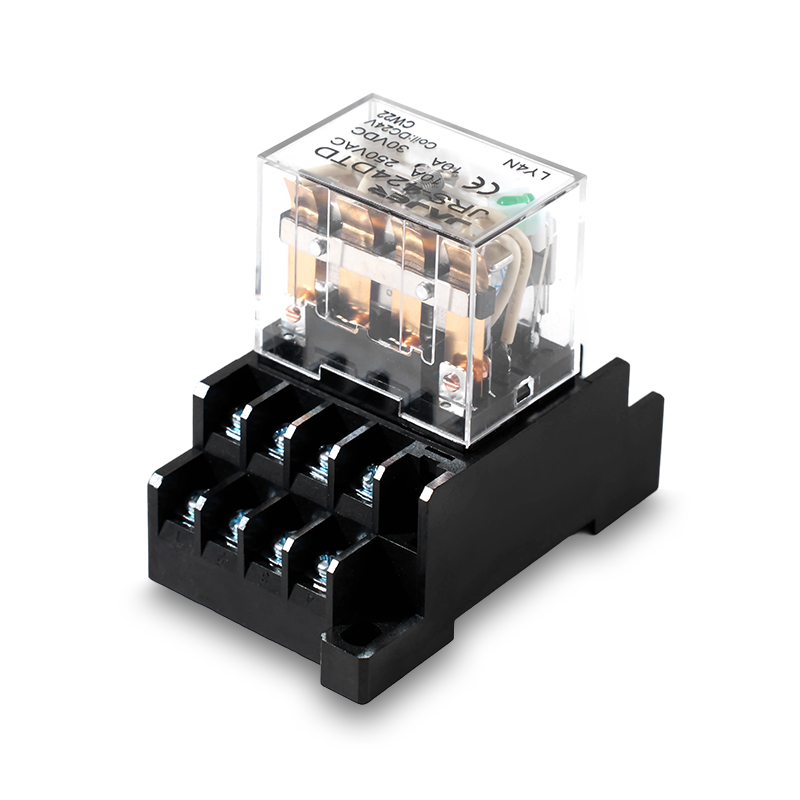
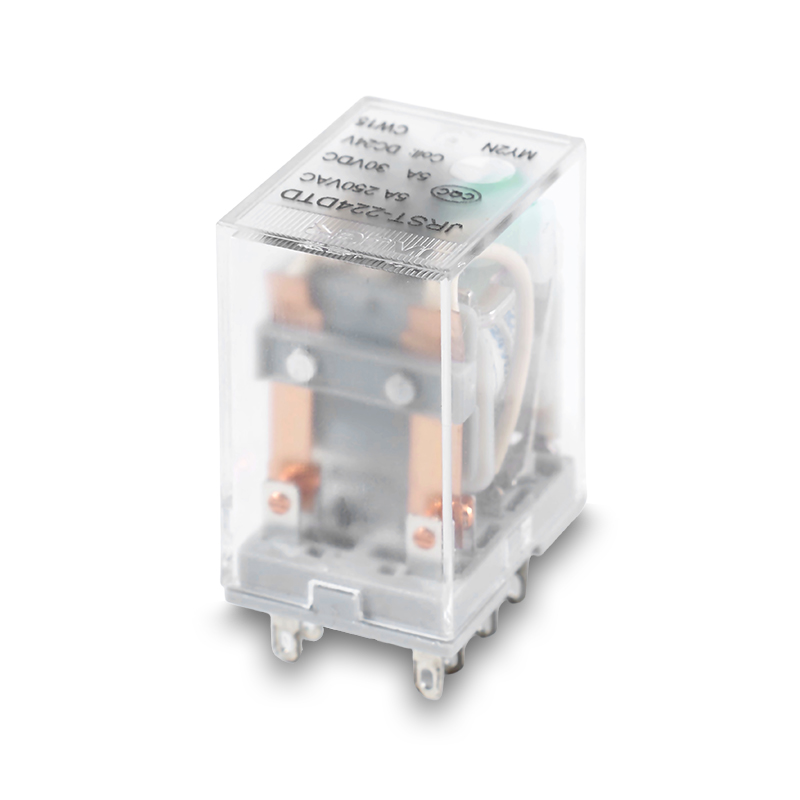
Installing electrical relays correctly is essential for ensuring long-term reliability, and micro relay socket installation is no exception. Improper installation can result in frequent failures, overheating, or even system downtime. Integrating a miniature overload relay alongside your relay socket is a common practice to protect circuits, but users often make avoidable mistakes during installation. Wenzhou Jiajie Electric Co., Ltd., a professional relay manufacturer with over 15 years of experience, emphasizes correct installation procedures to improve safety, reliability, and system performance.
One of the more frequent mistakes is selecting a micro relay socket that does not match the relay’s specifications. Common issues include:
Incorrect Pin Layout: Using a socket with a different pin configuration can result in short circuits or non-functional circuits.
Incompatible Voltage Rating: Mismatched voltage ratings may damage the relay or the load device.
Mechanical Fit Problems: A relay that does not sit securely can result in intermittent connections, arcing, or overheating.
Solution: Always verify the relay model and socket compatibility. Refer to manufacturer datasheets or consult experts before installation.
Terminals are critical for reliable electrical contact. Improper torque is a common cause of relay and socket failure:
Loose Connections: Can cause arcing, heat buildup, or signal interruption.
Over-Tightened Screws: May deform the socket or strip the terminal threads, compromising long-term reliability.
Nicely Practice: Use a torque screwdriver or follow the recommended torque range specified by the manufacturer to ensure good contact without damage.

Many users underestimate the importance of proper wire sizing. Incorrect wire selection can result in overheating, voltage drops, or premature failure:
Undersized Wires: Cannot carry the rated current, causing excessive heat and potential insulation damage.
Oversized Wires: May make connections difficult and reduce the reliability of screw or spring terminals.
Recommendation: Always use the correct wire gauge as specified for the micro relay socket and miniature overload relay combination.
Micro relay sockets are sensitive to environmental factors such as moisture, dust, and temperature extremes. Common mistakes include:
Exposing Sockets to Water or High Humidity: Can cause corrosion or short circuits.
Dust Accumulation: Dust particles can hinder contact or increase resistance.
Extreme Temperatures: High heat may deform the socket or degrade insulation.
Preventive Measures: Install protective enclosures or cover plates, maintain adequate ventilation, and avoid direct exposure to harsh conditions.
Even correctly installed sockets can fail over time if maintenance is ignored. Frequent errors include:
Skipping Regular Inspections: Failing to check for discoloration, oxidation, or loose contacts.
Ignoring Signs of Overheating: Heat marks or melting indicate a serious problem that must be addressed immediately.
Not Replacing Worn Sockets: Aging sockets may develop micro-gaps or cracks, reducing contact reliability.
Tip: Schedule periodic inspections and replacements based on the operational environment and load cycles.
Micro relay sockets are sometimes used with inappropriate loads:
High Inductive Loads: Motors, transformers, or solenoids may generate surges that exceed relay or socket ratings.
Frequent Switching: High on/off cycles can cause premature contact wear.
Micro Loads: Very low current applications may cause unreliable contact if the relay or socket is not designed for micro loads.
Solution: Select relays and sockets rated for your specific load type, and consider additional protective devices such as surge suppressors or snubber circuits for inductive loads.
Quick Contact
Yueshang Innovation Park, Wengyang Street, Yueqing City, Zhejiang, China
Pages
Products
Stay In Touch
If you have any questions or need help, feel free to contact with our team.

Power distribution electromagnetic relay manufacturers



 English
 русский
 Español