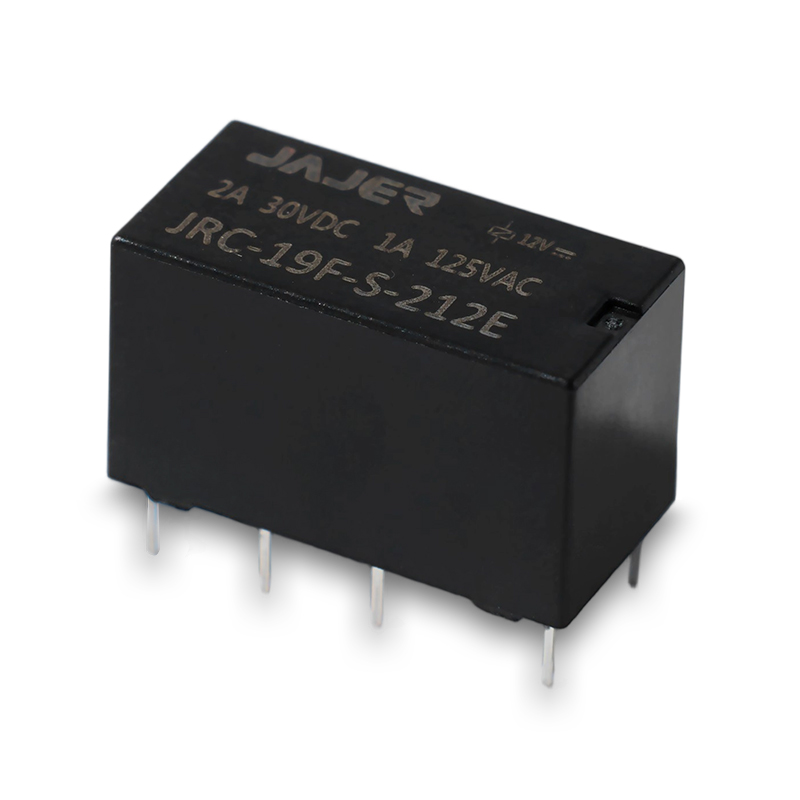
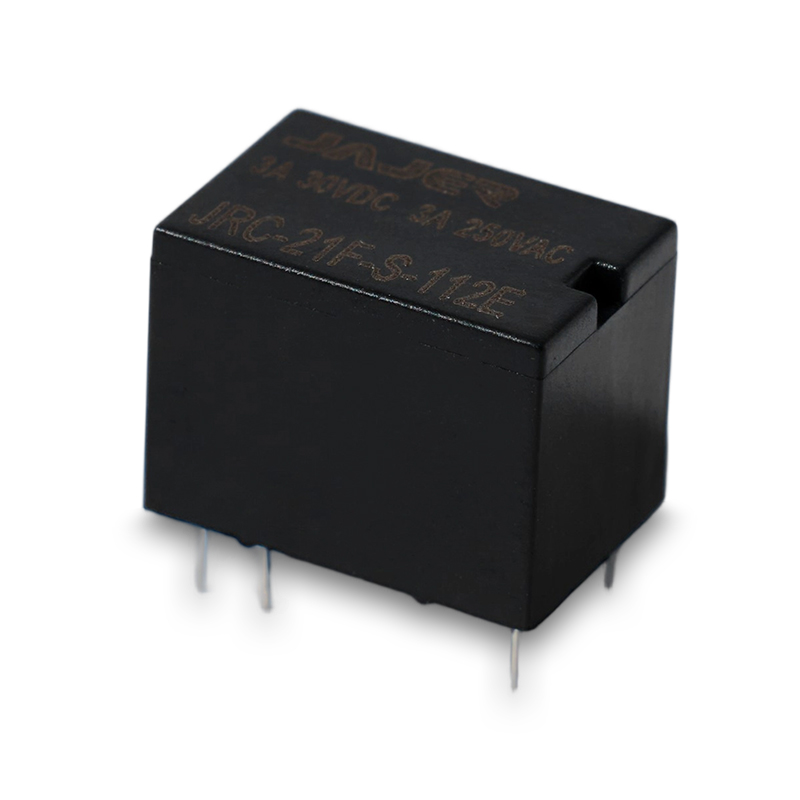
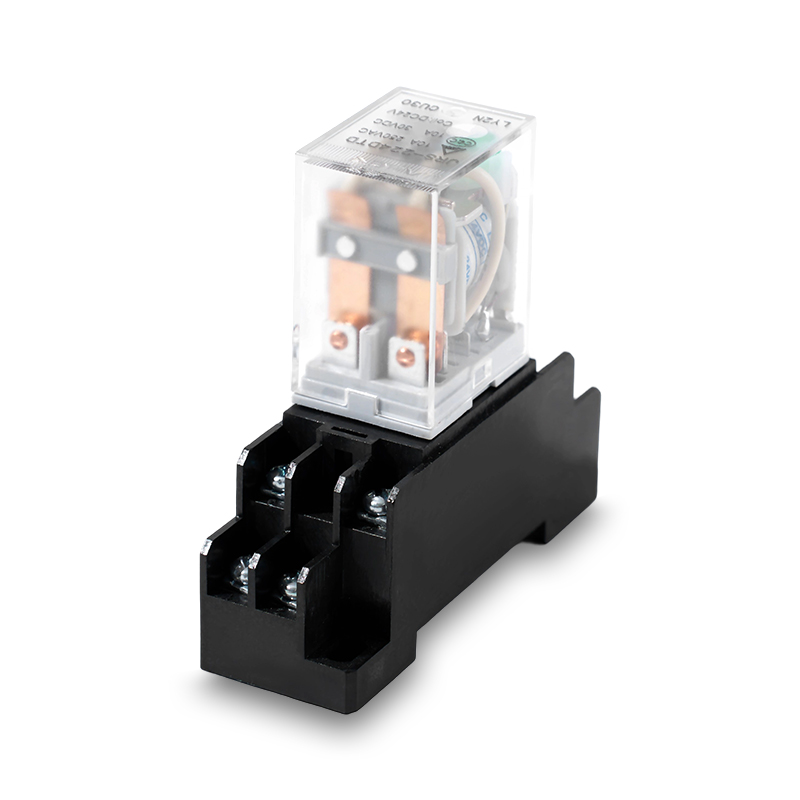
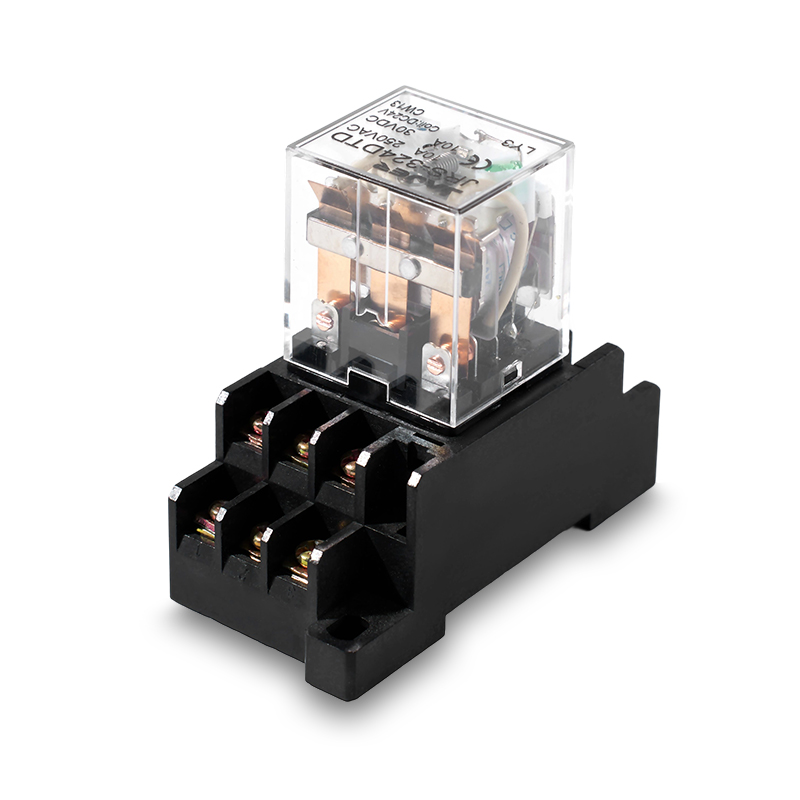
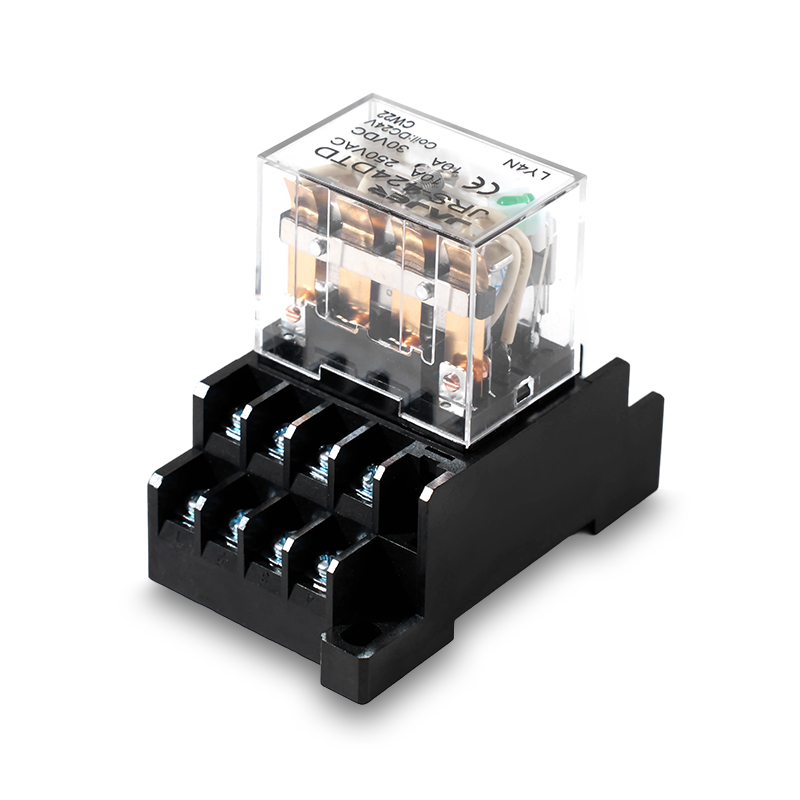
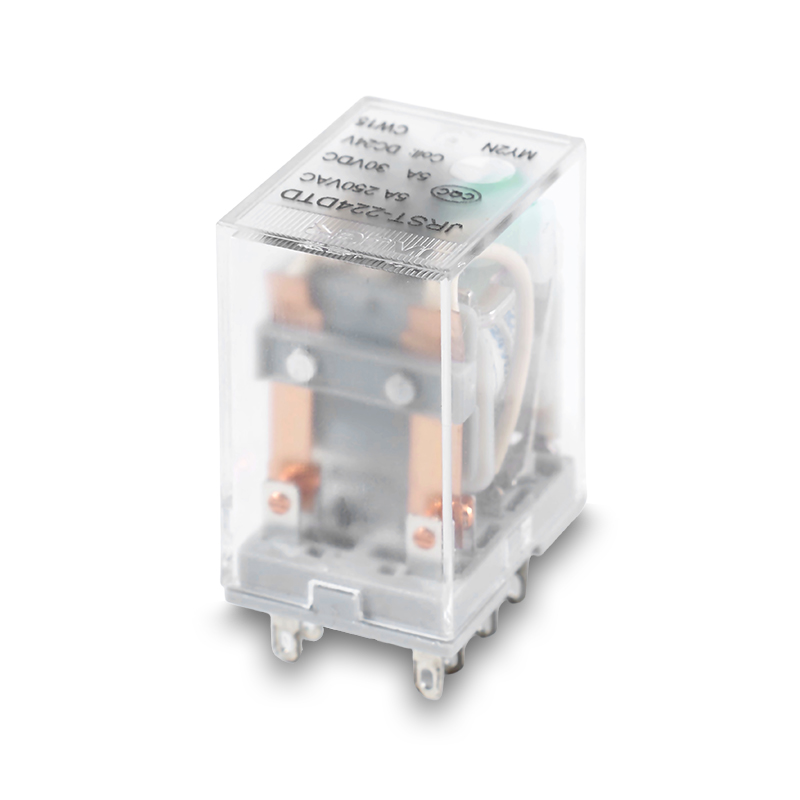
With the continuous development of industrial automation, smart manufacturing, and energy-efficient equipment, global buyers are paying closer attention to the reliability of electrical control components. A General Purpose Relay remains a widely used solution for switching and controlling electrical circuits in industrial equipment, control panels, automation systems, and commercial applications. However, choosing the right relay is not only about product specifications; engineers and procurement teams also need to consider application compatibility, manufacturing quality, and long-term supply stability.
Understanding the Role of Relays in Modern Equipment Design
In many electrical systems, relays act as a bridge between control signals and power circuits. They allow low-power control devices to manage higher-power electrical loads safely and efficiently. As equipment becomes more automated, relay performance directly affects system response, operational stability, and maintenance requirements.
For machinery manufacturers and system integrators, selecting a suitable relay during the design stage can help avoid problems such as signal interruption, installation difficulties, or unexpected equipment downtime. This is why overseas buyers increasingly search for reliable relay solutions that can match different industrial environments.
Important Factors Engineers Evaluate Before Purchasing
When sourcing relay components, professional buyers usually consider several technical and practical aspects. A relay that works well in one application may not always be suitable for another system.
Key evaluation points include:
Load compatibility: The relay should meet the electrical requirements of the connected equipment and control circuits.
Installation requirements: Different projects may require specific mounting methods, terminal designs, or space-saving structures.
Switching performance: Stable operation during repeated switching processes is essential for industrial applications.
Supplier capability: Consistent manufacturing processes and technical support are important for long-term cooperation.
Understanding these factors helps purchasing teams make better decisions and reduces risks during equipment production.
Supporting Diverse Applications Across Multiple Industries
The application range of general-purpose relays continues to expand as industries adopt more automated solutions. They are commonly integrated into industrial machinery, building automation, electrical cabinets, temperature control systems, and equipment monitoring systems.
For OEM manufacturers, one major advantage of using versatile relay components is design flexibility. A suitable relay platform can support different product models while reducing unnecessary redesign work. This allows manufacturers to improve production efficiency while maintaining consistent equipment performance.
As a relay manufacturer, we focus on providing solutions that meet different application needs, helping customers develop electrical systems with practical and dependable control functions.
Customized Relay Solutions for OEM and Industrial Buyers
Different customers have different requirements based on their equipment structure, market standards, and production processes. Standard products may not always fully meet these expectations, especially for companies developing specialized machinery or customized electrical systems.
Professional OEM and ODM support can help address these challenges through:
Customized product configurations based on project requirements
Technical communication during the development stage
Flexible production solutions for different applications
Quality inspection throughout the manufacturing process
This approach allows international partners to receive relay products that better match their equipment designs and market demands.
Solving Common Challenges in Global Relay Procurement
For overseas buyers, sourcing electrical components involves more than comparing prices. Issues such as inconsistent product quality, unclear specifications, and limited after-sales communication can affect production schedules.
Working with an experienced relay supplier helps companies improve procurement efficiency. A reliable manufacturing partner should provide clear technical documentation, responsive communication, and stable production support.
These advantages are especially valuable for distributors, automation companies, and equipment manufacturers that require continuous supply for long-term projects.
Future Trends in Relay Technology and Industrial Control
The electrical industry is moving toward more compact, flexible, and application-oriented components. Engineers are looking for relay products that can support modern automation systems while remaining easy to integrate and maintain.
Future relay development will continue focusing on improved adaptability, space-saving designs, and better compatibility with changing industrial requirements. Manufacturers that combine production expertise with customer-focused solutions can better support global market needs.
For companies seeking dependable electrical switching components, selecting a professional supplier is an important step toward building reliable products. A properly designed General Purpose Relay provides effective control performance for various applications, while cooperation with an experienced manufacturer helps ensure consistent quality, customized support, and stable supply for international business growth.



 English
 русский
 Español